
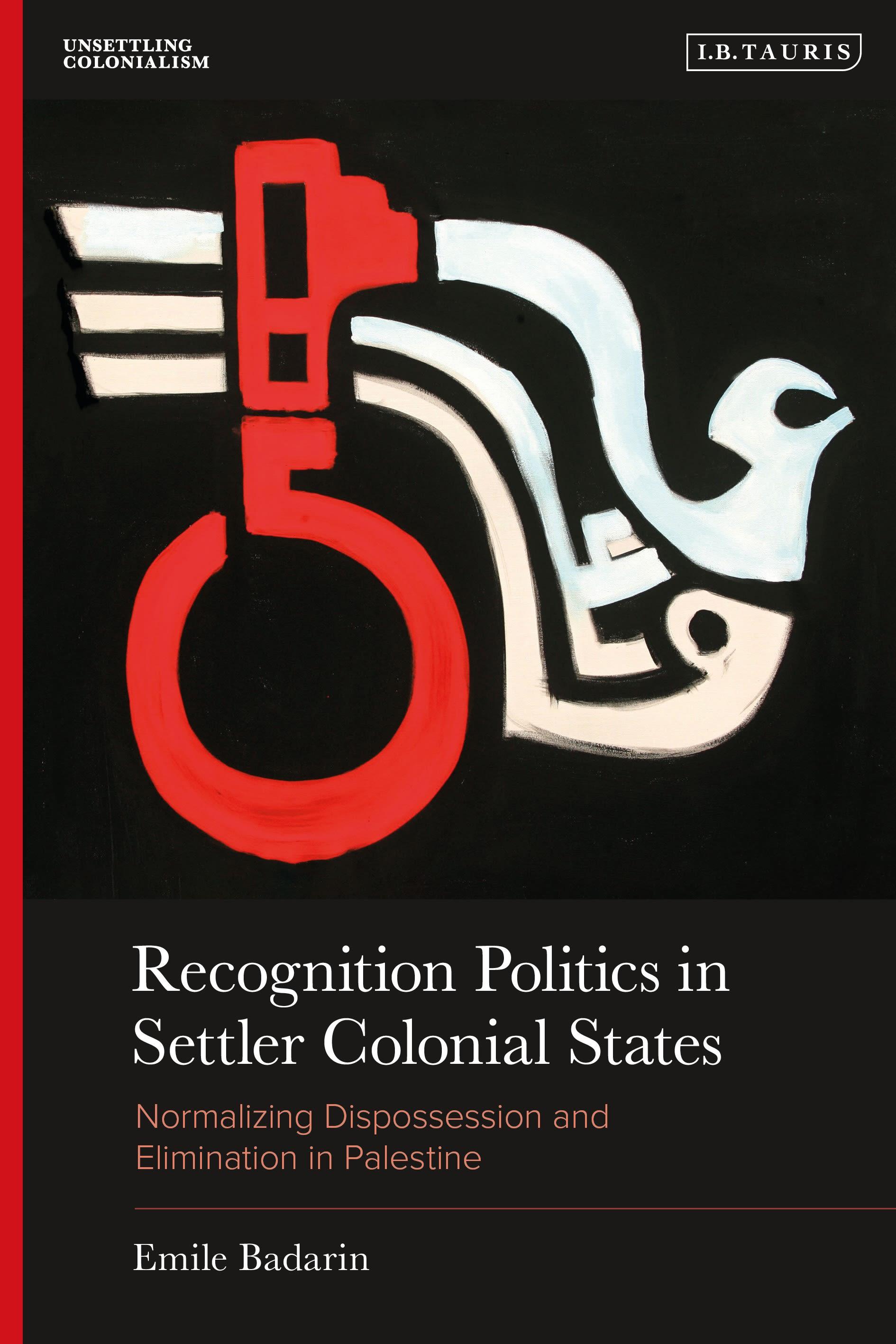
Using Palestine as a case study, Recognition Politics in Settler Colonial States shows how recognition politics operate to legitimize long-standing colonial power structures.
In existing scholarship, recognition has been seen as an asset coveted by indigenous communities. This book forwards a new, theoretically ground-breaking perspective. Emile Badarin shows that in colonial contexts, settlers use recognition to legitimize and normalize the dispossession and elimination of Indigenous people. More than this, settler-colonial states themselves actively pursue recognition, employing it as a means to further the elimination of the indigenous societies they seek to replace. In making the case, the book critically examines the Euromodern categories of race, racism and racial hierarchies and draws new conclusions about the interplay between colonialism, racism and Zionism. Central to this analysis is how anti-Zionism has been strategically equated with anti-Semitism, and effectively used as a tool for the advancement of both settler-colonialism in Palestine and Israel's recognition on the international stage. The book delves into indigenous normative resistance against colonial recognition politics through the lens of the Palestinian practice of ?umud (steadfastness), extracting its philosophy of liberation as a pathway towards a decolonial future for all in Palestine and beyond.
In existing scholarship, recognition has been seen as an asset coveted by indigenous communities. This book forwards a new, theoretically ground-breaking perspective. Emile Badarin shows that in colonial contexts, settlers use recognition to legitimize and normalize the dispossession and elimination of Indigenous people. More than this, settler-colonial states themselves actively pursue recognition, employing it as a means to further the elimination of the indigenous societies they seek to replace. In making the case, the book critically examines the Euromodern categories of race, racism and racial hierarchies and draws new conclusions about the interplay between colonialism, racism and Zionism. Central to this analysis is how anti-Zionism has been strategically equated with anti-Semitism, and effectively used as a tool for the advancement of both settler-colonialism in Palestine and Israel's recognition on the international stage. The book delves into indigenous normative resistance against colonial recognition politics through the lens of the Palestinian practice of ?umud (steadfastness), extracting its philosophy of liberation as a pathway towards a decolonial future for all in Palestine and beyond.
Sidor: 266
Kategori: Kultur-, Genus- & Postkoloniala studier
e-ISBN: 9780755656257
Fraktvikt: 1.2 kg
Skickas inom: 1-2 dagar
Betala smidigt med kort, Klarna, Apple Pay eller Google Pay. Är du inte nöjd har du alltid 14 dagars ångerrätt. Läs mer i våra villkor. Har du några frågor, mejla oss på hello@memmo.org.
Memmo gör det enklare att plugga – var du än är i världen. Hos oss samlar du kursböcker och smarta studieverktyg på ett och samma ställe: sammanfattningar, quiz, poddar och flashcards. Och så Ted, din studiekompis som svarar på allt du undrar. Över 50 000 studenter pluggar redan här – byggt för att du ska lära dig snabbare och stressa mindre.