
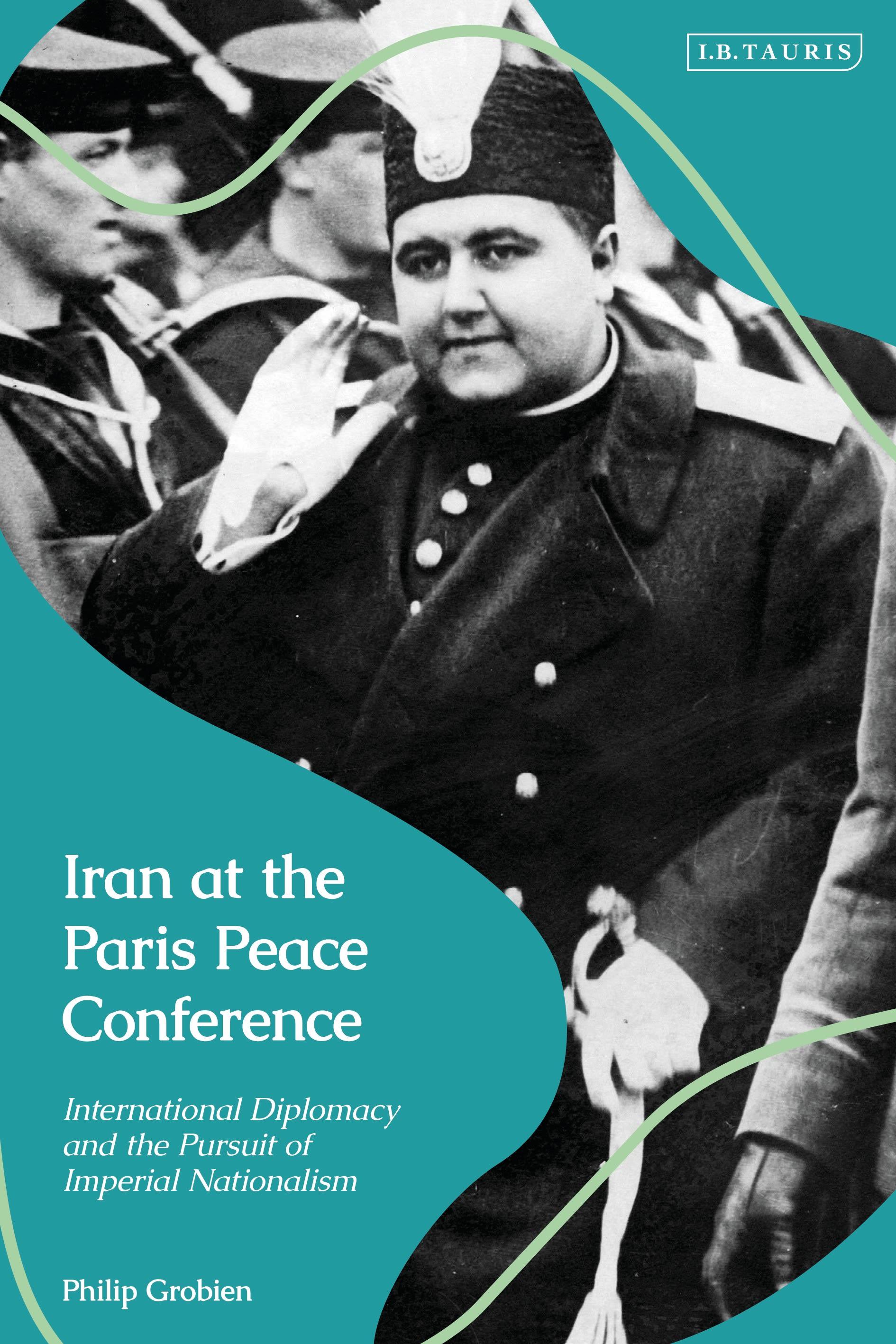
The end of the Qajar era in Iran, despite the accepted narrative of decline, was in fact an occasion of modern and forward-thinking nationalism. Iran developed an imperial nationalism, which was informed by its experiences under British and Russian hegemony and the absorption of Western modern ideas and practices, and which now looked towards a future as a sovereign and independent state within the foundational framework of its previous Empire. Emboldened by post-WWI notions of self-determination and the development of international institutions devoted to peace, Iran spearheaded its new-found diplomacy by sending a delegation to the peace talks in Paris in 1919.
This book shows how Iran's immediate post-war diplomacy came about, the conduct of Iran's delegation to Paris, frustrations with the Anglo-Persian Agreement, and ultimately how Iran's progress became the victim of British imperialism. Throwing a spotlight on an under-researched period of Iranian history, it will be of interest to readers of Iranian history, and those interested in the Paris Peace Conference of 1919.
This book shows how Iran's immediate post-war diplomacy came about, the conduct of Iran's delegation to Paris, frustrations with the Anglo-Persian Agreement, and ultimately how Iran's progress became the victim of British imperialism. Throwing a spotlight on an under-researched period of Iranian history, it will be of interest to readers of Iranian history, and those interested in the Paris Peace Conference of 1919.
Betala smidigt med kort, Klarna, Apple Pay eller Google Pay. Är du inte nöjd har du alltid 14 dagars ångerrätt. Läs mer i våra villkor. Har du några frågor, mejla oss på hello@memmo.org.
Memmo gör det enklare att plugga – var du än är i världen. Hos oss samlar du kursböcker och smarta studieverktyg på ett och samma ställe: sammanfattningar, quiz, poddar och flashcards. Och så Ted, din studiekompis som svarar på allt du undrar. Över 50 000 studenter pluggar redan här – byggt för att du ska lära dig snabbare och stressa mindre.