
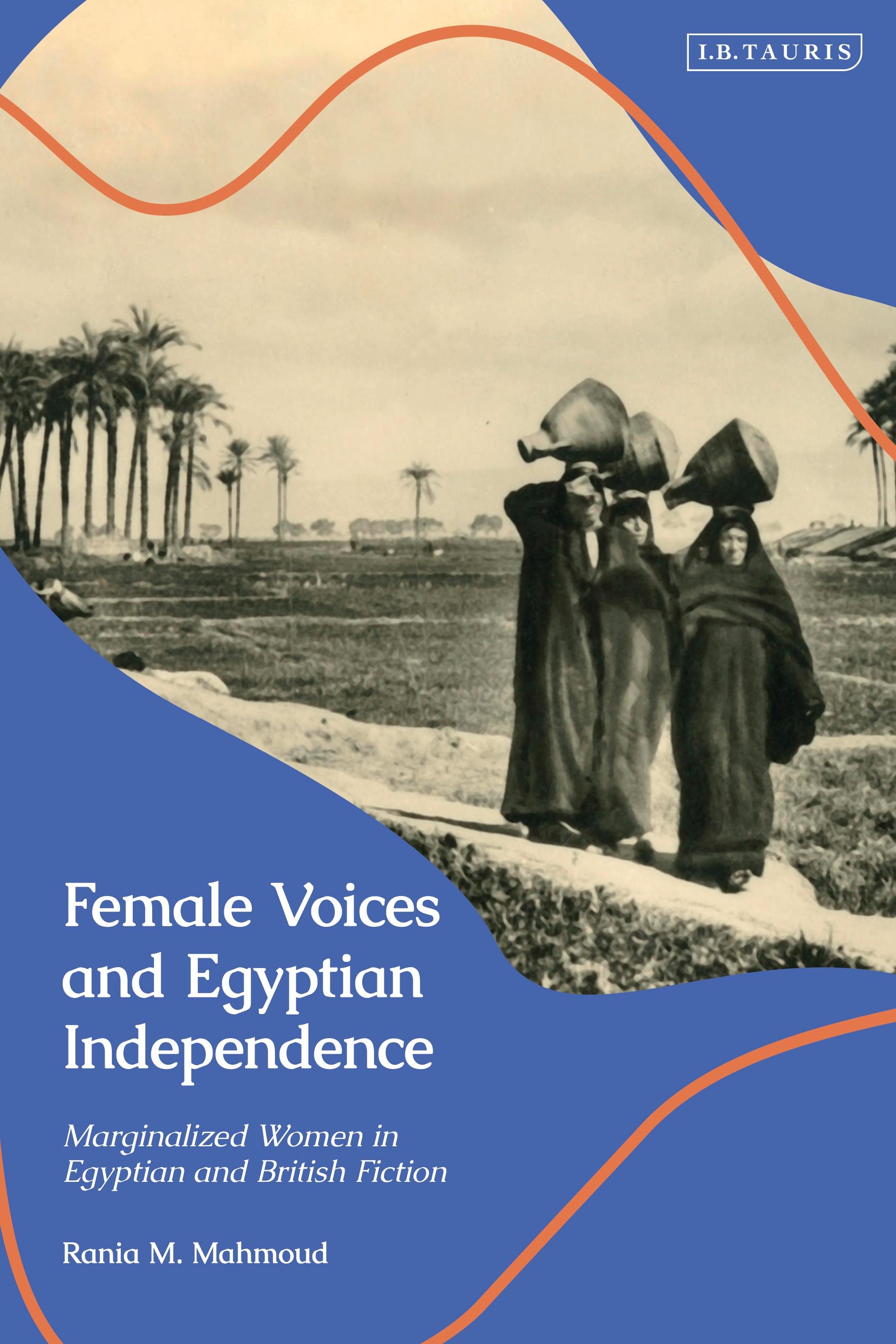
This book offers a nuanced analysis of the ways in which Egyptian and British novels represent the Egyptian nationalist project in its struggle against British hegemony in the aftermath of two revolutions: the 1881-82 Urabi Revolution, known for inaugurating the British occupation of Egypt, and the 1919 Revolution celebrated in Egyptian national memory as the classic Egyptian revolution par excellence. Reading the novels against the grain, the study recovers female voices that are multiply marginalized, due to their gender and/or ethnicity, whether by colonial imperial powers, the nation, their immediate regional community or, finally, by the works under discussion themselves. Using a comparative lens, the study foregrounds the ways in which the authors confirm, critique, rewrite/revise, or reject developmental narratives. Female Voices and Egyptian Independence pays particular attention to women that range from the uneducated black slave, to the uneducated rural Siwan woman with artistic talent, to the wealthy cultured Coptic housewife, to the rising late nineteenth-century British female professional, and finally to the eclipsed twentieth-century Egyptian female national intellectual, all of whom play crucial roles in the journeys of the respective male protagonists, and by extension, the Egyptian national project.
Betala smidigt med kort, Klarna, Apple Pay eller Google Pay. Är du inte nöjd har du alltid 14 dagars ångerrätt. Läs mer i våra villkor. Har du några frågor, mejla oss på hello@memmo.org.
Memmo gör det enklare att plugga – var du än är i världen. Hos oss samlar du kursböcker och smarta studieverktyg på ett och samma ställe: sammanfattningar, quiz, poddar och flashcards. Och så Ted, din studiekompis som svarar på allt du undrar. Över 50 000 studenter pluggar redan här – byggt för att du ska lära dig snabbare och stressa mindre.