
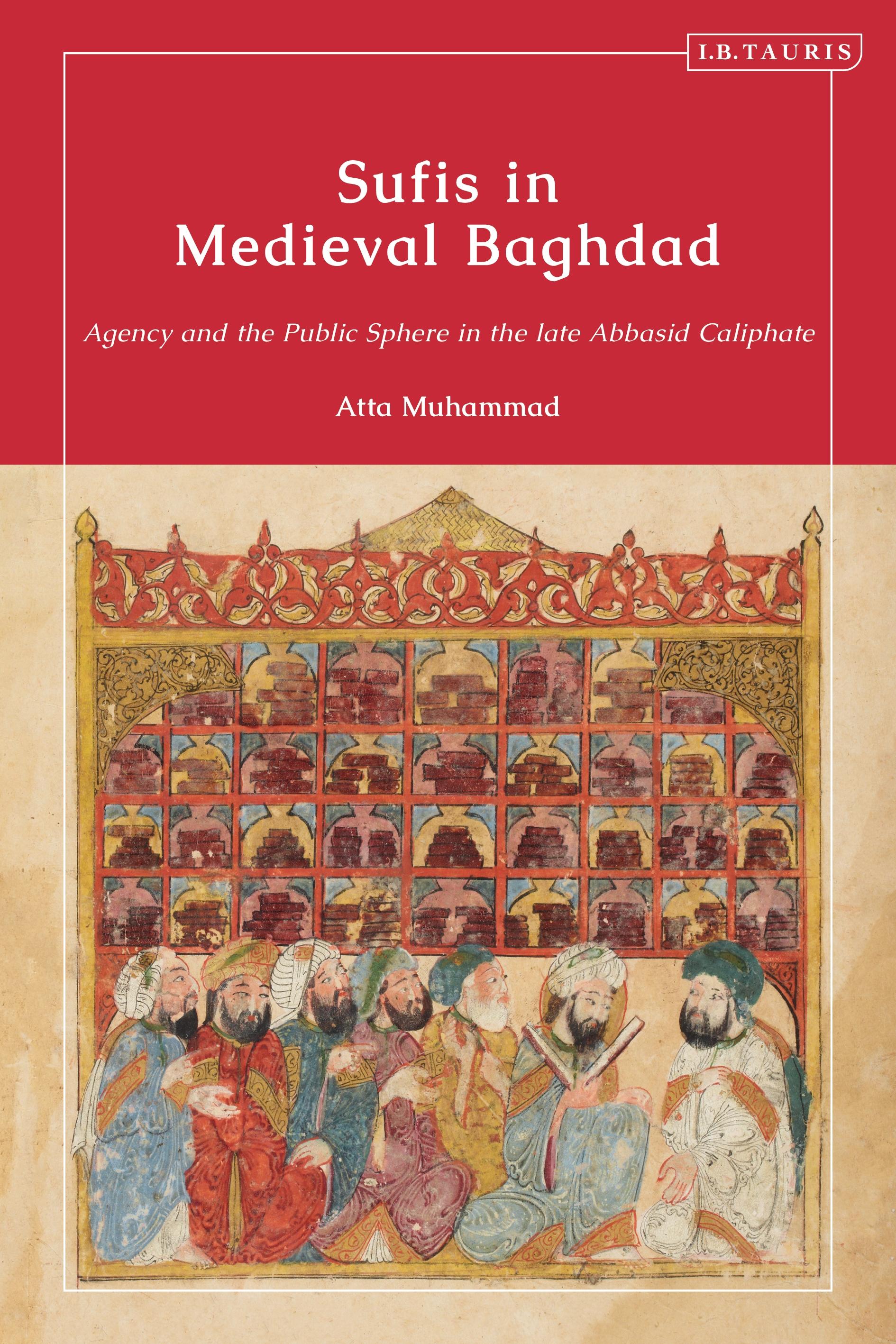
This book examines the political and social activities of Sufis in Baghdad in the period 1000-1258. It argues that Sufis played an important role in creating a public sphere that existed between ordinary subjects and the government. Drawing on Arabic sources and secondary literature, it explores the role of Sufis and their institutions including their ribats or lodge houses, from the use of Sufis as political ambassadors to their role in redistributing charity to the poor. The book reveals the role of Sufism in structuring a wide range of social and political arrangements in this period. It also reveals the role of ordinary, non-elite actors who, by taking part in Sufi-affiliated religious or professional associations, were able take part in public life in late-Abbasid Baghdad.
Betala smidigt med kort, Klarna, Apple Pay eller Google Pay. Är du inte nöjd har du alltid 14 dagars ångerrätt. Läs mer i våra villkor. Har du några frågor, mejla oss på hello@memmo.org.
Memmo gör det enklare att plugga – var du än är i världen. Hos oss samlar du kursböcker och smarta studieverktyg på ett och samma ställe: sammanfattningar, quiz, poddar och flashcards. Och så Ted, din studiekompis som svarar på allt du undrar. Över 50 000 studenter pluggar redan här – byggt för att du ska lära dig snabbare och stressa mindre.