
Shortlisted for the 2024 British-Kuwait Friendship Society Book Prize
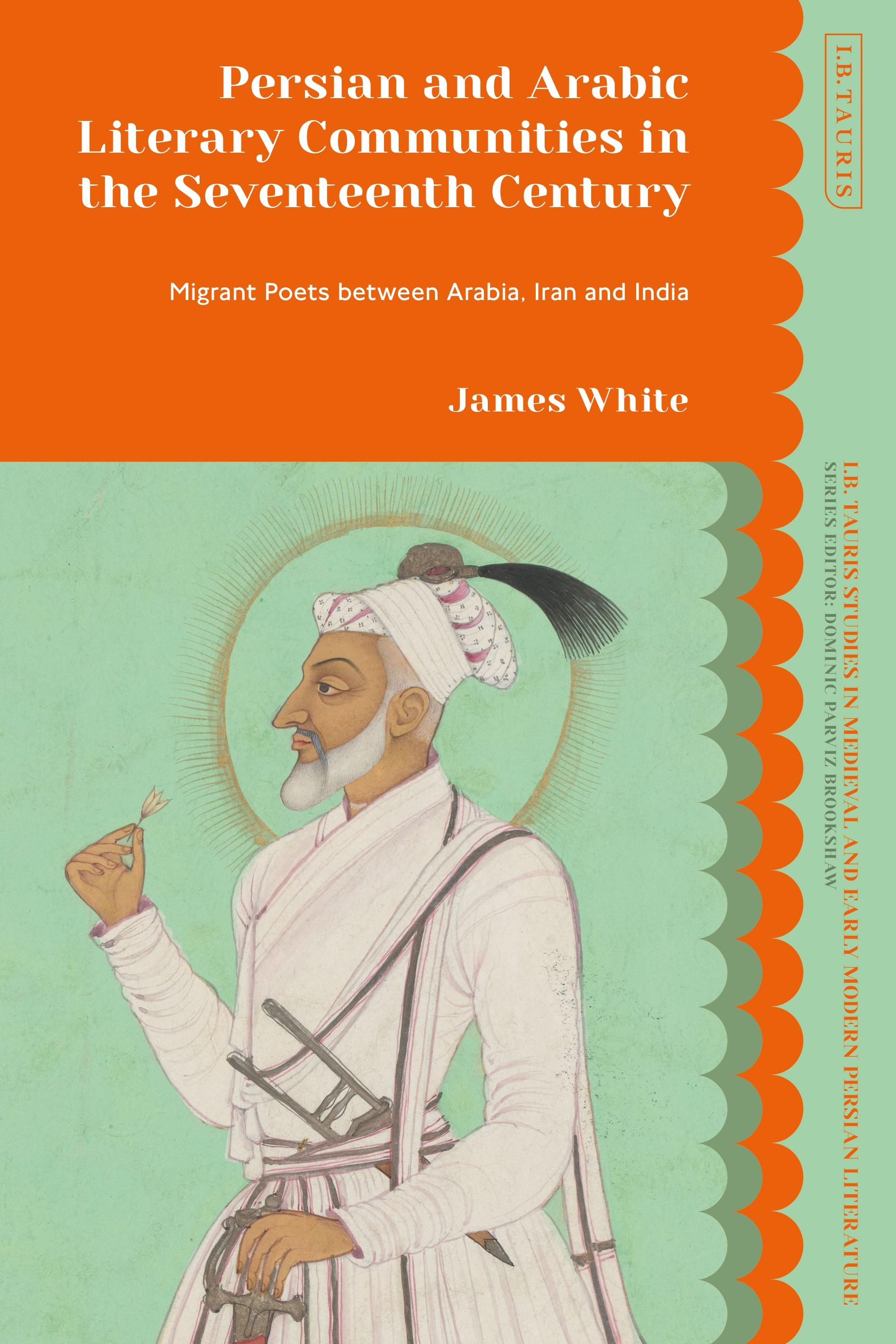
A wealth of scholarship has highlighted how commercial, political and religious networks expanded across the Arabian Sea during the seventeenth century, as merchants from South Asia traded goods in the ports of Yemen, noblemen from Safavid Iran established themselves in the courts of the Mughal Empire, and scholars from across the region came together to debate the Islamic sciences in the Arabian Peninsula's holy cities of Mecca and Medina. This book demonstrates that the globalising tendency of migration created worldly literary systems which linked Iran, India and the Arabian Peninsula through the production and circulation of classicizing Arabic and Persian poetry. By close reading over seventy unstudied manuscripts of seventeenth-century Arabic and Persian poetry that have remained hidden on the shelves of libraries in India, Iran, Turkey and Europe, the book examines how migrant poets adapted shared poetic forms, imagery and rhetoric to engage with their interlocutors and create communities in the cities where they settled. The book begins by reconstructing overarching patterns in the movement of over a thousand authors, and the economic basis for their migration, before focusing on six case studies of literary communities, which each represent a different location in the circulatory system of the Arabian Sea. In so doing, the book demonstrates the plurality of seventeenth-century aesthetic movements, a diversity which later nationalisms purposefully simplified and misread.
A wealth of scholarship has highlighted how commercial, political and religious networks expanded across the Arabian Sea during the seventeenth century, as merchants from South Asia traded goods in the ports of Yemen, noblemen from Safavid Iran established themselves in the courts of the Mughal Empire, and scholars from across the region came together to debate the Islamic sciences in the Arabian Peninsula's holy cities of Mecca and Medina. This book demonstrates that the globalising tendency of migration created worldly literary systems which linked Iran, India and the Arabian Peninsula through the production and circulation of classicizing Arabic and Persian poetry. By close reading over seventy unstudied manuscripts of seventeenth-century Arabic and Persian poetry that have remained hidden on the shelves of libraries in India, Iran, Turkey and Europe, the book examines how migrant poets adapted shared poetic forms, imagery and rhetoric to engage with their interlocutors and create communities in the cities where they settled. The book begins by reconstructing overarching patterns in the movement of over a thousand authors, and the economic basis for their migration, before focusing on six case studies of literary communities, which each represent a different location in the circulatory system of the Arabian Sea. In so doing, the book demonstrates the plurality of seventeenth-century aesthetic movements, a diversity which later nationalisms purposefully simplified and misread.
Sidor: 272
Kategori: Litteraturvetenskap & Teori
e-ISBN: 9780755644582
Fraktvikt: 1.2 kg
Skickas inom: 1-2 dagar
Betala smidigt med kort, Klarna, Apple Pay eller Google Pay. Är du inte nöjd har du alltid 14 dagars ångerrätt. Läs mer i våra villkor. Har du några frågor, mejla oss på hello@memmo.org.
Memmo gör det enklare att plugga – var du än är i världen. Hos oss samlar du kursböcker och smarta studieverktyg på ett och samma ställe: sammanfattningar, quiz, poddar och flashcards. Och så Ted, din studiekompis som svarar på allt du undrar. Över 50 000 studenter pluggar redan här – byggt för att du ska lära dig snabbare och stressa mindre.