
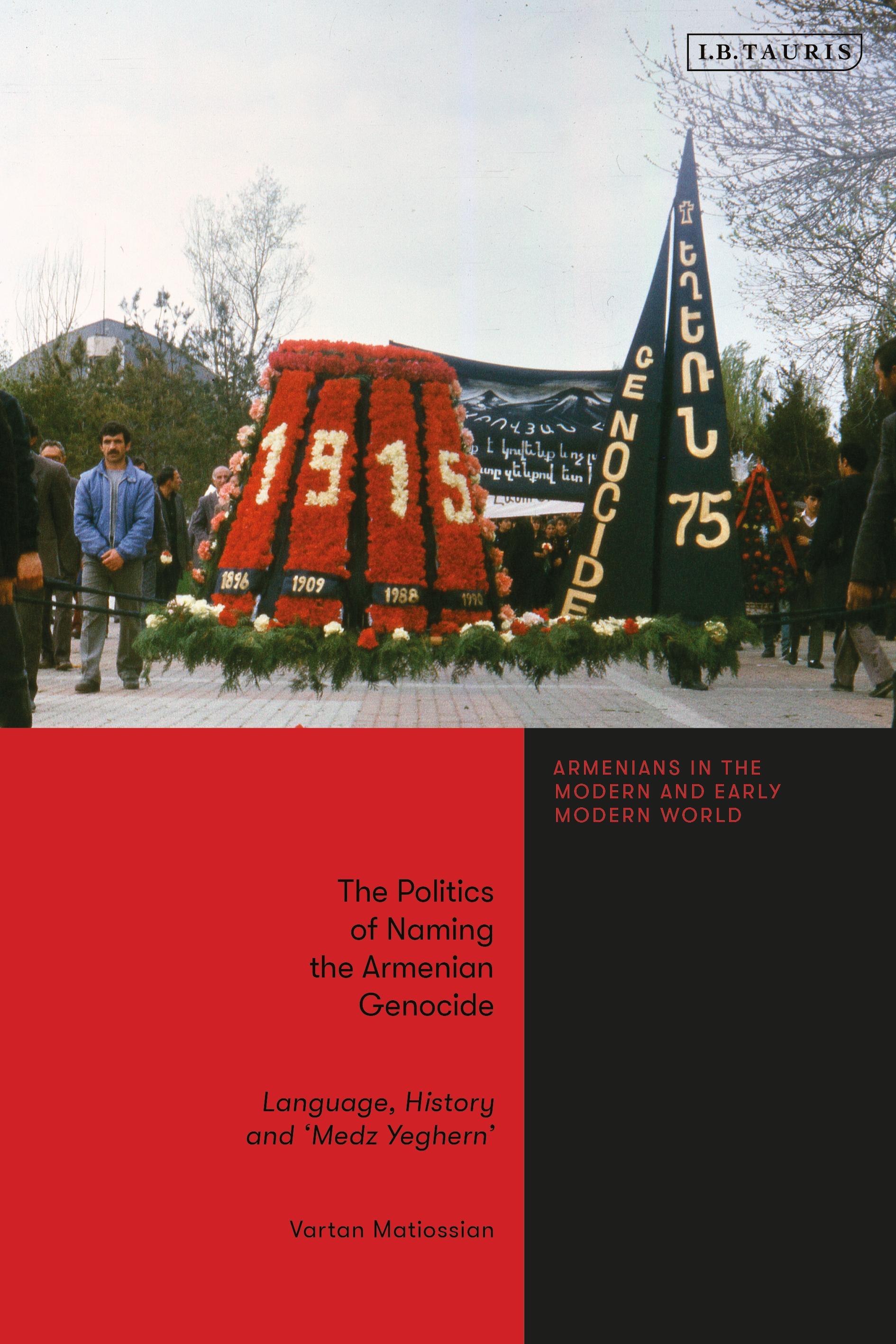
This book explores the genealogy of the concept of 'Medz Yeghern' ('Great Crime'), the Armenian term for the mass murder and ethnic cleansing of the Armenian ethno-religious group in the Ottoman Empire between the years 1915-1923. Widely accepted by historians as one of the classical cases of genocide in the 20th century, ascribing the right definition to the crime has been a source of contention and controversy in international politics. Vartan Matiossian here draws upon extensive research based on Armenian sources, neglected in much of the current historiography, as well as other European languages in order to trace the development of the concepts pertaining to mass killing and genocide of Armenians from the ancient to the modern periods. Beginning with an analysis of the term itself, he shows how the politics of its use evolved as Armenians struggled for international recognition of the crime after 1945, in the face of Turkish protest. Taking a combined historical, philological, literary and political perspective, the book is an insightful exploration of the politics of naming a catastrophic historical event, and the competitive nature of national collective memories.
Betala smidigt med kort, Klarna, Apple Pay eller Google Pay. Är du inte nöjd har du alltid 14 dagars ångerrätt. Läs mer i våra villkor. Har du några frågor, mejla oss på hello@memmo.org.
Memmo gör det enklare att plugga – var du än är i världen. Hos oss samlar du kursböcker och smarta studieverktyg på ett och samma ställe: sammanfattningar, quiz, poddar och flashcards. Och så Ted, din studiekompis som svarar på allt du undrar. Över 50 000 studenter pluggar redan här – byggt för att du ska lära dig snabbare och stressa mindre.