
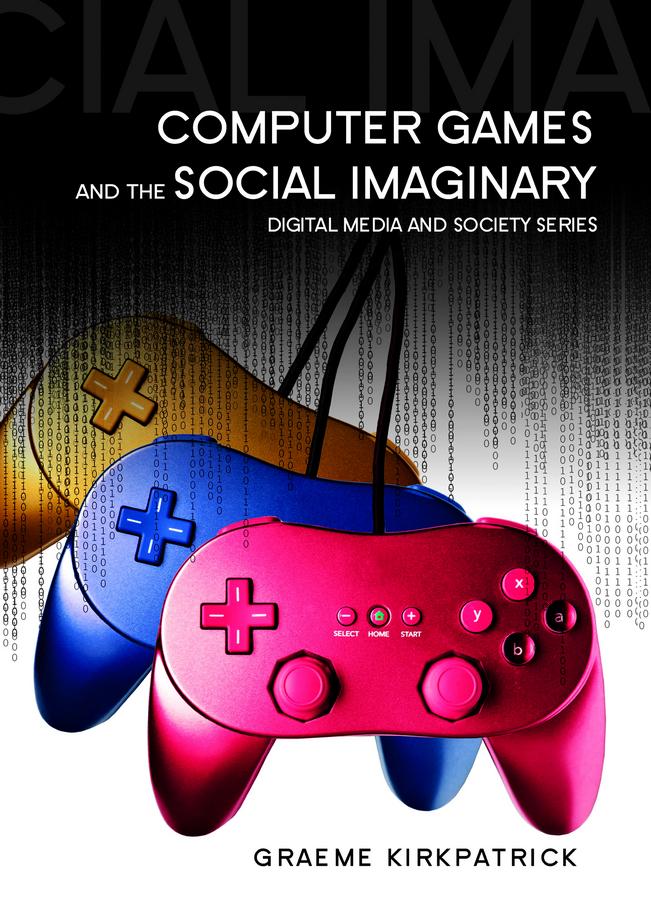
In this compelling book, Graeme Kirkpatrick argues that computer games have fundamentally altered the relation of self and society in the digital age.
Tracing the origins of gaming to the revival of play in the 1960s counter culture, Computer Games and the Social Imaginary describes how the energies of that movement transformed computer technology from something ugly and machine-like into a world of colour and ‘fun’. In the process, play with computers became computer gaming – a new cultural practice with its own values.
From the late 1980s gaming became a resource for people to draw upon as they faced the challenges of life in a new, globalizing digital economy. Gamer identity furnishes a revivified capitalism with compliant and ‘streamlined’ workers, but at times gaming culture also challenges the corporations that control game production.
Analysing topics such as the links between technology and power, the formation of gaming culture and the subjective impact of play with computer games, this insightful text will be of great interest to students and scholars of digital media, games studies and the information society.
Betala smidigt med kort, Klarna, Apple Pay eller Google Pay. Är du inte nöjd har du alltid 14 dagars ångerrätt. Läs mer i våra villkor. Har du några frågor, mejla oss på hello@memmo.org.
Memmo gör det enklare att plugga – var du än är i världen. Hos oss samlar du kursböcker och smarta studieverktyg på ett och samma ställe: sammanfattningar, quiz, poddar och flashcards. Och så Ted, din studiekompis som svarar på allt du undrar. Över 50 000 studenter pluggar redan här – byggt för att du ska lära dig snabbare och stressa mindre.