
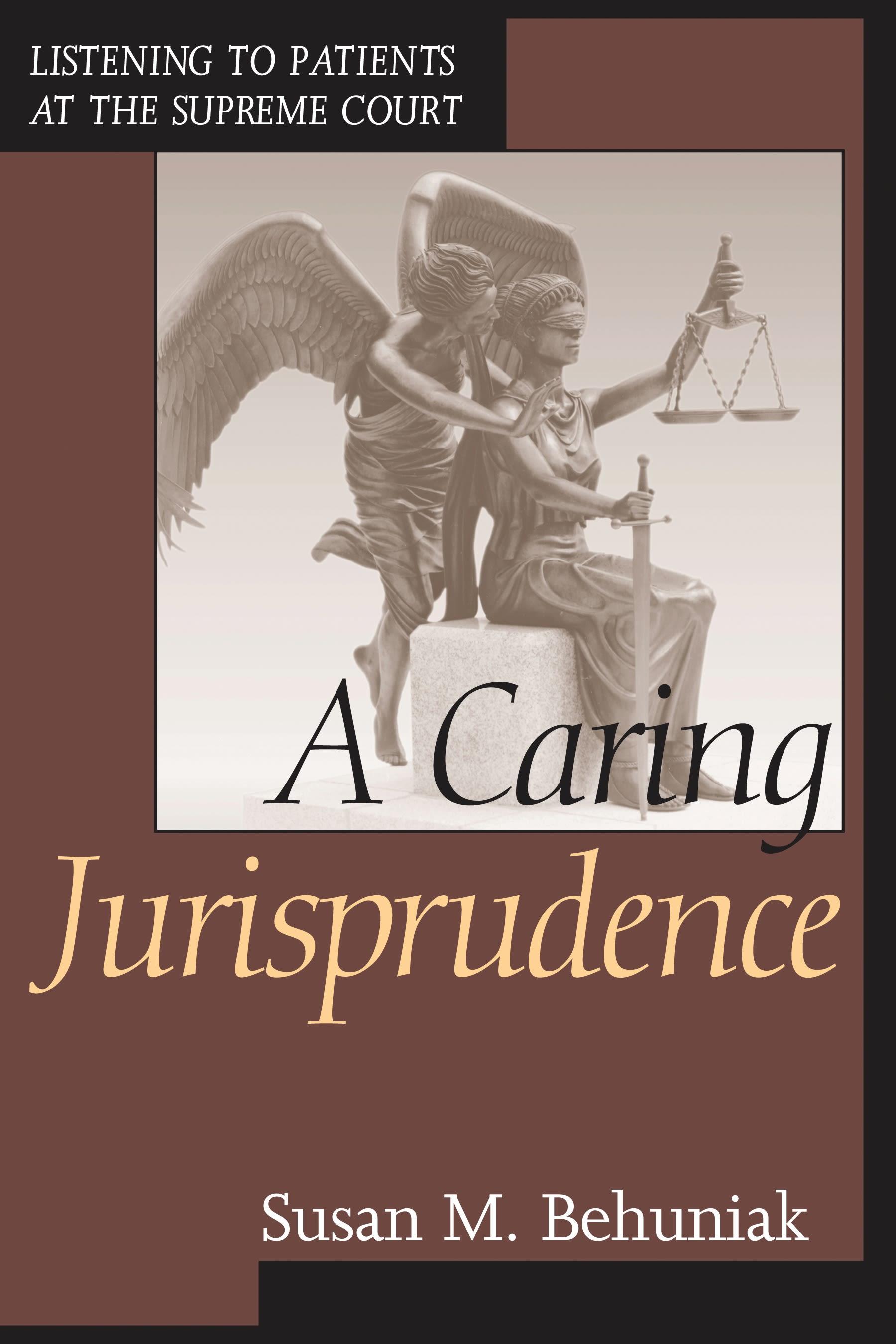
In deciding the abortion and physician assisted suicide cases, a majority of the Justices of the United States Supreme Court drew on medical knowledge to inform their opinions while dismissing the distinctively different knowledge offered by patients. Following the legal norms derived from the ethic of justice, the CourtOs deference toward the Ouniversal,O Oimpartial,O and OreasonedO knowledge of the medical profession and its disregard of the Oparticular,O Oinvolved,O and OemotionalO knowledge of patients seemed inevitable as well as justified. But was it? This book argues that it is both possible and proper to develop a jurisprudence capable of incorporating the knowledge of patients. Drawing on feminist scholarship, this book proposes a model for a Ocaring jurisprudenceO that integrates the ethic of justice and the ethic of care to ensure that patientsO knowledge is included in judicial decision making.
Betala smidigt med kort, Klarna, Apple Pay eller Google Pay. Är du inte nöjd har du alltid 14 dagars ångerrätt. Läs mer i våra villkor. Har du några frågor, mejla oss på hello@memmo.org.
Memmo gör det enklare att plugga – var du än är i världen. Hos oss samlar du kursböcker och smarta studieverktyg på ett och samma ställe: sammanfattningar, quiz, poddar och flashcards. Och så Ted, din studiekompis som svarar på allt du undrar. Över 50 000 studenter pluggar redan här – byggt för att du ska lära dig snabbare och stressa mindre.