
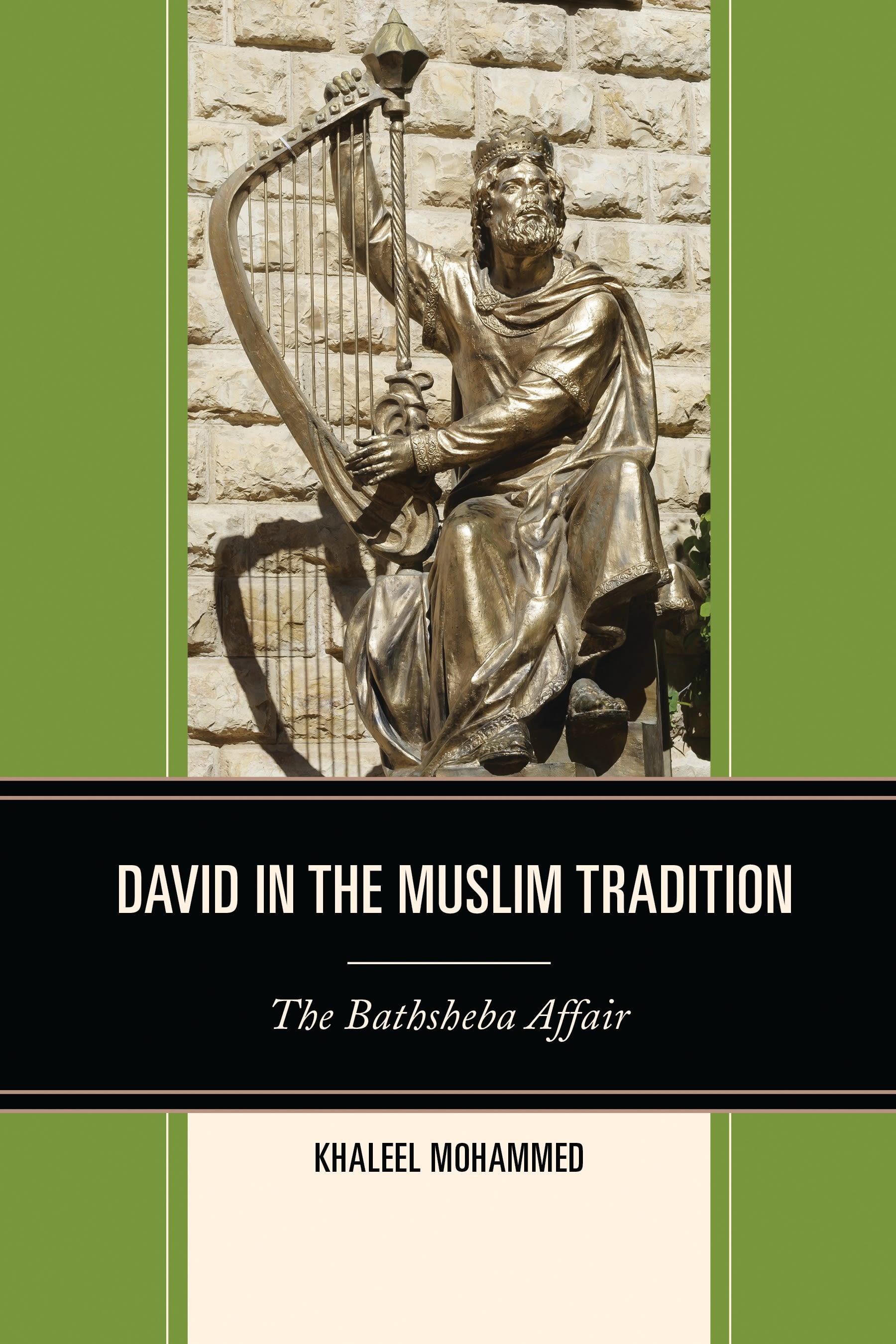
In Chapter 38:21-25, the Qur’an relates a very short narrative about the biblical King David’s seeking and receiving God’s forgiveness. The earliest Muslim exegetes interpreted the qur’anic verses as referring to the Hebrew Bible’s story of David’s adultery with Bathsheba, as related in 2 Samuel 12:1-13. Later Muslims, however, having developed the concept of prophetic impeccability, radically reinterpreted those verses to show David as innocent of any wrongdoing since, in the Muslim tradition, he is not only a king, but a prophet as well. David in the Muslim Tradition: The Bathsheba Affair outlines the approach of the Qur’an to shared scriptures, and provides a detailed look at the development of the exegetical tradition and the factors that influenced such exegesis. By establishing four distinct periods of exegesis, Khaleel Mohammed examines the most famous explanations in each stratum to show the metamorphosis from blame to exculpation. He shows that the Muslim development is not unique, but is very much in following the Jewish and Christian traditions, wherein a similar sanitization of David’s image has occurred.
Betala smidigt med kort, Klarna, Apple Pay eller Google Pay. Är du inte nöjd har du alltid 14 dagars ångerrätt. Läs mer i våra villkor. Har du några frågor, mejla oss på hello@memmo.org.
Memmo gör det enklare att plugga – var du än är i världen. Hos oss samlar du kursböcker och smarta studieverktyg på ett och samma ställe: sammanfattningar, quiz, poddar och flashcards. Och så Ted, din studiekompis som svarar på allt du undrar. Över 50 000 studenter pluggar redan här – byggt för att du ska lära dig snabbare och stressa mindre.