
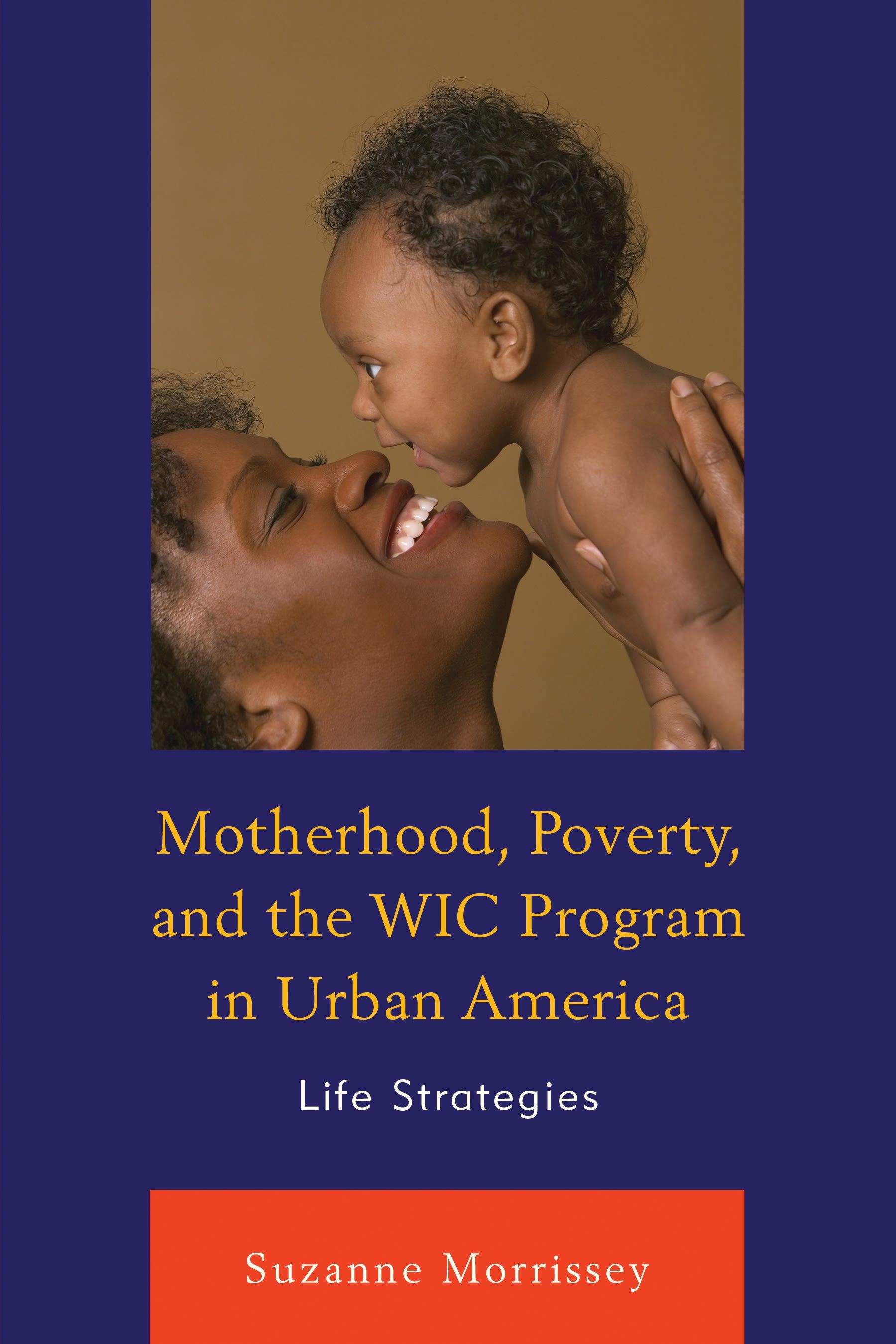
The study presented here is one of urban poverty, household survival, and social institutions that both enable and control the decision-making of poor women in America. First and foremost, it is about a public health program, the Special Supplemental Nutrition Program for Women, Infants, and Children, known more commonly as WIC, and how the institution re-inscribes persistent stereotypes of the urban poor on the women it eagerly wishes to serve. Despite encountering opposition and occasionally humiliation at the hands of those chosen to serve, many low-income women throughout the United States and Puerto Rico return to WIC every month because it represents a rite of passage that characterizes pregnancy. Enrolling in WIC prenatally signifies to others the importance of providing for one’s family in spite of socioeconomic disadvantage. Yet whether women access WIC benefits or not, their lived realities include a painful and enduring connection between urban poverty and health inequalities, particularly inequalities leading to poor birth outcomes and infant mortality, as explored in this urban ethnography.
Betala smidigt med kort, Klarna, Apple Pay eller Google Pay. Är du inte nöjd har du alltid 14 dagars ångerrätt. Läs mer i våra villkor. Har du några frågor, mejla oss på hello@memmo.org.
Memmo gör det enklare att plugga – var du än är i världen. Hos oss samlar du kursböcker och smarta studieverktyg på ett och samma ställe: sammanfattningar, quiz, poddar och flashcards. Och så Ted, din studiekompis som svarar på allt du undrar. Över 50 000 studenter pluggar redan här – byggt för att du ska lära dig snabbare och stressa mindre.