
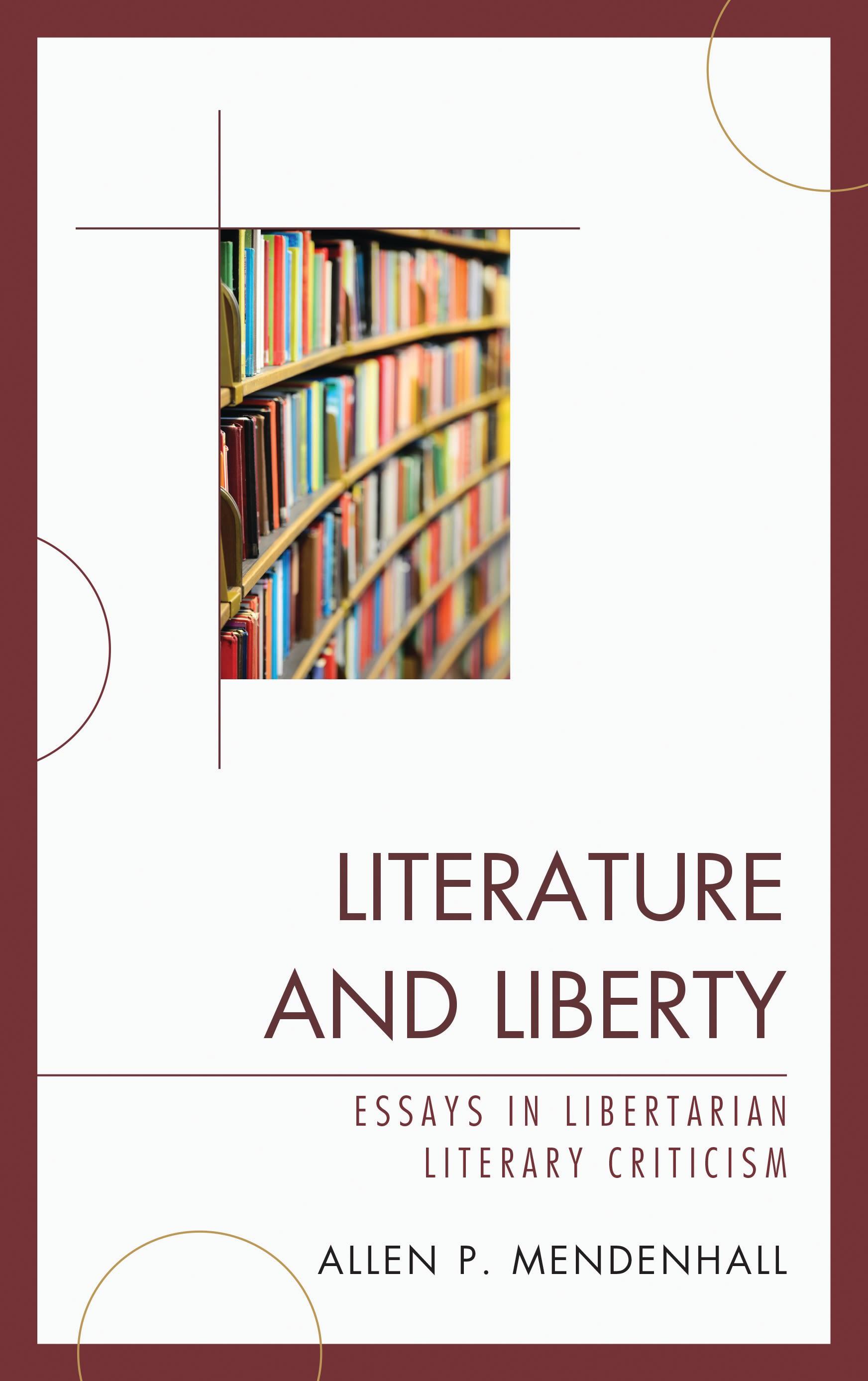
The economic theories of Karl Marx and his disciples continue to be anthologized in books of literary theory and criticism and taught in humanities classrooms to the exclusion of other, competing economic paradigms. Marxism is collectivist, predictable, monolithic, impersonal, linear, reductive — in short, wholly inadequate as an instrument for good in an era when we know better than to reduce the variety of human experience to simplistic formulae. A person’s creative and intellectual energies are never completely the products of culture or class. People are rational agents who choose between different courses of action based on their reason, knowledge, and experience. A person’s choices affect lives, circumstances, and communities. Even literary scholars who reject pure Marxism are still motivated by it, because nearly all economic literary theory derives from Marxism or advocates for vast economic interventionism as a solution to social problems.
Such interventionism, however, has a track-record of mass murder, war, taxation, colonization, pollution, imprisonment, espionage, and enslavement — things most scholars of imaginative literature deplore. Yet most scholars of imaginative literature remain interventionists. Literature and Liberty offers these scholars an alternative economic paradigm, one that over the course of human history has eliminated more generic bads than any other system. It argues that free market or libertarian literary theory is more humane than any variety of Marxism or interventionism. Just as Marxist historiography can be identified in the use of structuralism and materialist literary theory, so should free-market libertarianism be identifiable in all sorts of literary theory. Literature and Liberty disrupts the near monopolistic control of economic ideas in literary studies and offers a new mode of thinking for those who believe that arts and literature should play a role in discussions about law, politics, government, and economics. Drawing from authors as wide-ranging as Emerson, Shakespeare, E.M. Forster, Geoffrey of Monmouth, Henry Hazlitt, and Mark Twain, Literature and Liberty is a significant contribution to libertarianism and literary studies.
Such interventionism, however, has a track-record of mass murder, war, taxation, colonization, pollution, imprisonment, espionage, and enslavement — things most scholars of imaginative literature deplore. Yet most scholars of imaginative literature remain interventionists. Literature and Liberty offers these scholars an alternative economic paradigm, one that over the course of human history has eliminated more generic bads than any other system. It argues that free market or libertarian literary theory is more humane than any variety of Marxism or interventionism. Just as Marxist historiography can be identified in the use of structuralism and materialist literary theory, so should free-market libertarianism be identifiable in all sorts of literary theory. Literature and Liberty disrupts the near monopolistic control of economic ideas in literary studies and offers a new mode of thinking for those who believe that arts and literature should play a role in discussions about law, politics, government, and economics. Drawing from authors as wide-ranging as Emerson, Shakespeare, E.M. Forster, Geoffrey of Monmouth, Henry Hazlitt, and Mark Twain, Literature and Liberty is a significant contribution to libertarianism and literary studies.
Sidor: 180
Kategori: Litteraturvetenskap & Teori
e-ISBN: 9780739186343
Fraktvikt: 1.2 kg
Skickas inom: 1-2 dagar
Betala smidigt med kort, Klarna, Apple Pay eller Google Pay. Är du inte nöjd har du alltid 14 dagars ångerrätt. Läs mer i våra villkor. Har du några frågor, mejla oss på hello@memmo.org.
Memmo gör det enklare att plugga – var du än är i världen. Hos oss samlar du kursböcker och smarta studieverktyg på ett och samma ställe: sammanfattningar, quiz, poddar och flashcards. Och så Ted, din studiekompis som svarar på allt du undrar. Över 50 000 studenter pluggar redan här – byggt för att du ska lära dig snabbare och stressa mindre.