
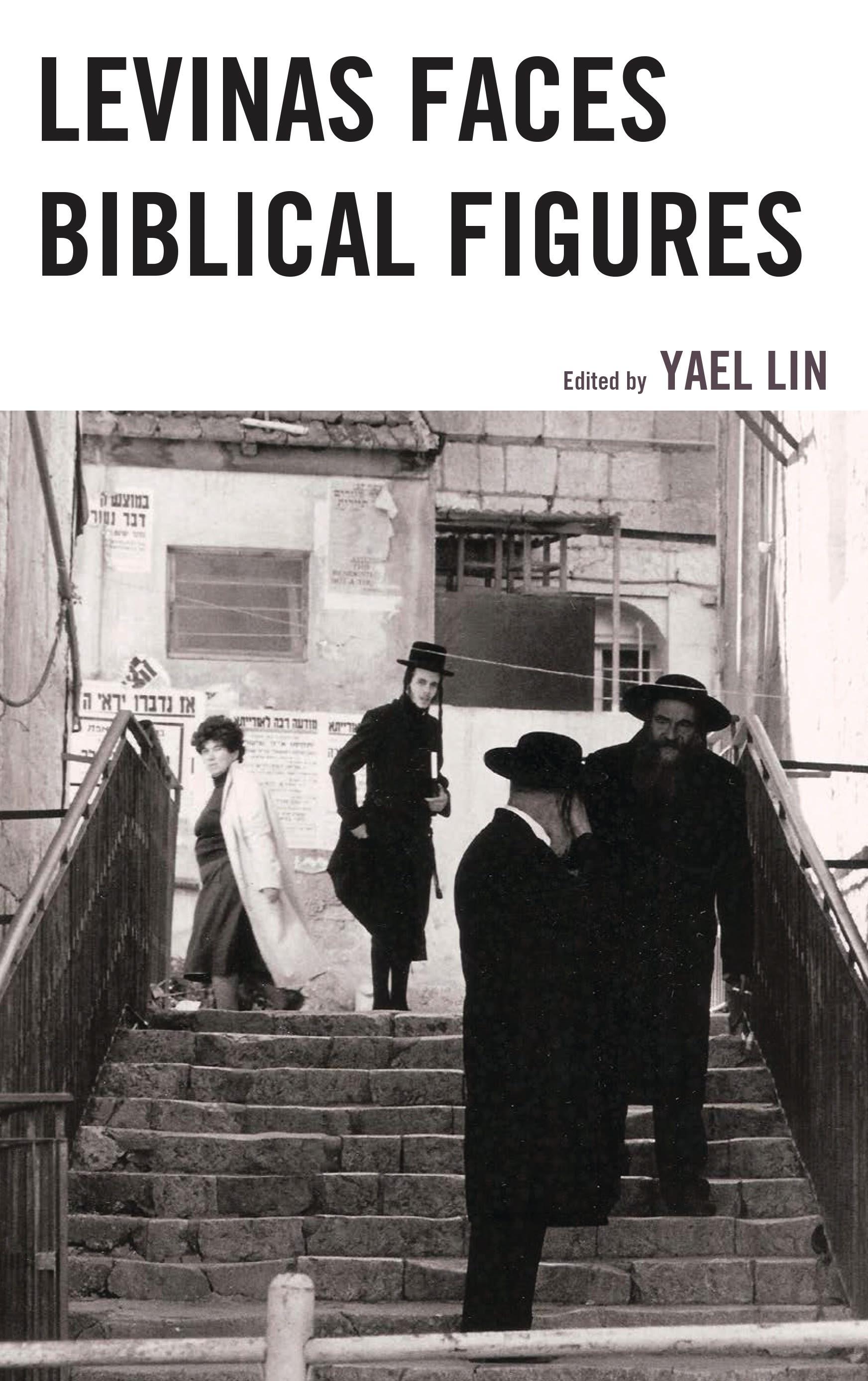
This collection of essays is an attempt to capture the drama of the encounter, of the 'facing' of Levinas and the biblical text. It seeks to link Jewish experience and Levinasian themes such as responsibility, substitution, hospitality, suffering and forgiveness, and at the same time make the biblical text accessible in a new way.
The book offers new insights on the opening up of Levinas's thought and biblical stories to one another; it considers the ways in which Levinas can open up the biblical text to requestioning, and how the biblical text can inform our reading of Levinas. Setting up in dialogue the heteronomic texts – the narrative texts of the bible and Levinas's philosophical texts – allows an enforced and renewed understanding of both. The examination of these issues is pursued from diverse perspectives and disciplines, probing the role biblical figures play in Levinas's thought and the manner by which to approach them. Do the biblical allusions serve in Levinas's thought merely as a rhetorical and literary device, as illustrations of his ideas, or perhaps they have a deeper philosophical meaning, which contributes to his project in general? Do the references to biblical figures work in Levinas's philosophy in a way that other literary figures are incapable of, and how do these references comply with his conflicted attitude towards literature?
The book offers new insights on the opening up of Levinas's thought and biblical stories to one another; it considers the ways in which Levinas can open up the biblical text to requestioning, and how the biblical text can inform our reading of Levinas. Setting up in dialogue the heteronomic texts – the narrative texts of the bible and Levinas's philosophical texts – allows an enforced and renewed understanding of both. The examination of these issues is pursued from diverse perspectives and disciplines, probing the role biblical figures play in Levinas's thought and the manner by which to approach them. Do the biblical allusions serve in Levinas's thought merely as a rhetorical and literary device, as illustrations of his ideas, or perhaps they have a deeper philosophical meaning, which contributes to his project in general? Do the references to biblical figures work in Levinas's philosophy in a way that other literary figures are incapable of, and how do these references comply with his conflicted attitude towards literature?
Betala smidigt med kort, Klarna, Apple Pay eller Google Pay. Är du inte nöjd har du alltid 14 dagars ångerrätt. Läs mer i våra villkor. Har du några frågor, mejla oss på hello@memmo.org.
Memmo gör det enklare att plugga – var du än är i världen. Hos oss samlar du kursböcker och smarta studieverktyg på ett och samma ställe: sammanfattningar, quiz, poddar och flashcards. Och så Ted, din studiekompis som svarar på allt du undrar. Över 50 000 studenter pluggar redan här – byggt för att du ska lära dig snabbare och stressa mindre.