
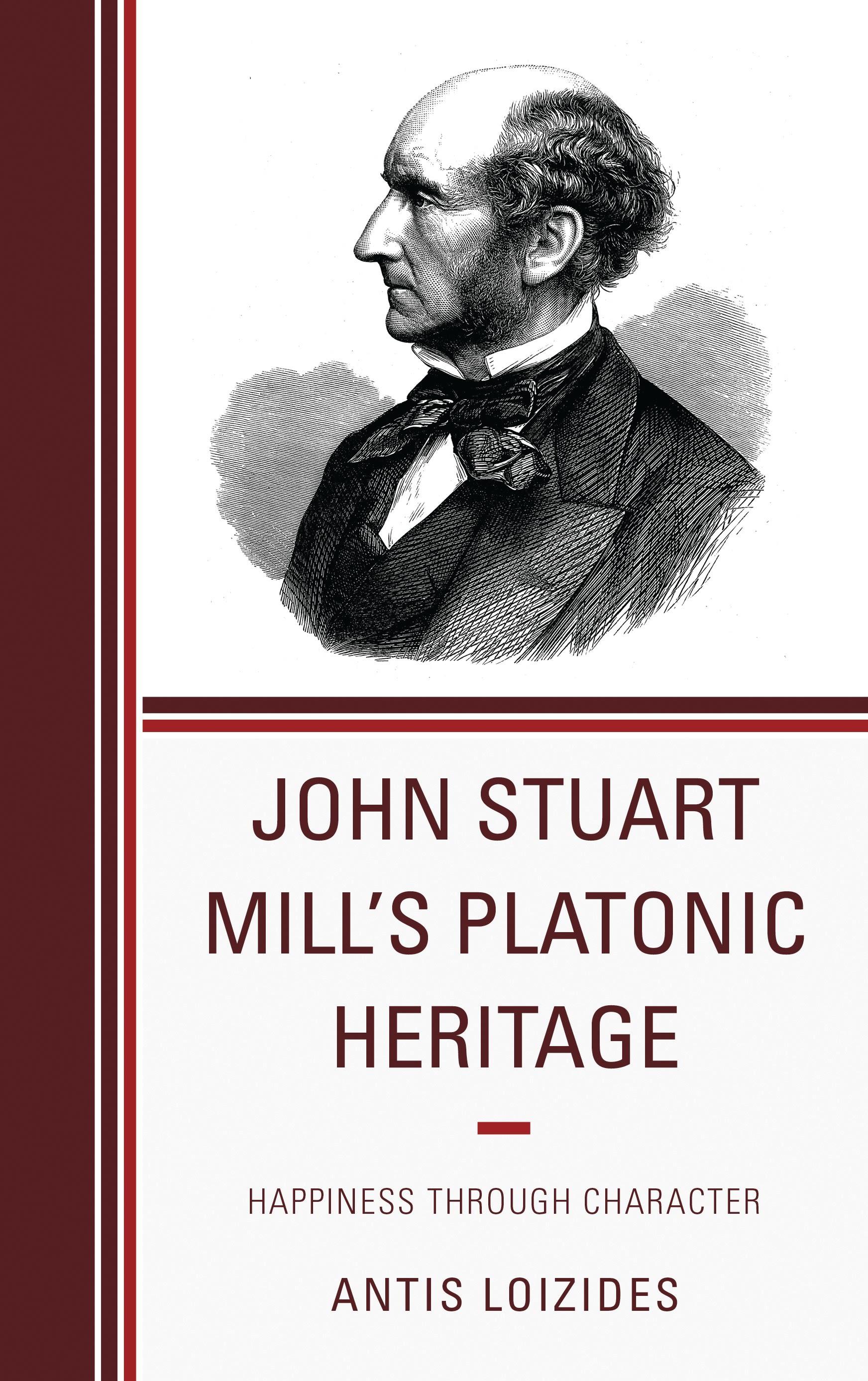
In the early draft of his Autobiography (London, 1873), John Stuart Mill described himself as “a pupil of Plato, and cast in the mould of his dialectics.” However, how Plato’s influence came about, to what extent, and with regard to which aspects of Mill’s thought, form questions that do not usually preoccupy Mill scholarship. To fill this gap in critical attention, this book draws upon a variety of primary sources to pay particular attention to Mill’s concern with reform, method, character, virtue, and happiness through his reading of the ancient Greeks—particularly Plato. At the same time, this book focuses on the intellectual relationship between father and son, studying their responses to the prevalent trends as to the worth of classical studies and of Platonic philosophy in nineteenth-century Britain. Not only does John Stuart Mill’s “intoxication” with ancient Greece manifest itself in all those aspects of his works already mentioned; but—what is most important—it also permeates his unvarying aim: the improvement of mankind through the improvement of its individual members.
Betala smidigt med kort, Klarna, Apple Pay eller Google Pay. Är du inte nöjd har du alltid 14 dagars ångerrätt. Läs mer i våra villkor. Har du några frågor, mejla oss på hello@memmo.org.
Memmo gör det enklare att plugga – var du än är i världen. Hos oss samlar du kursböcker och smarta studieverktyg på ett och samma ställe: sammanfattningar, quiz, poddar och flashcards. Och så Ted, din studiekompis som svarar på allt du undrar. Över 50 000 studenter pluggar redan här – byggt för att du ska lära dig snabbare och stressa mindre.