
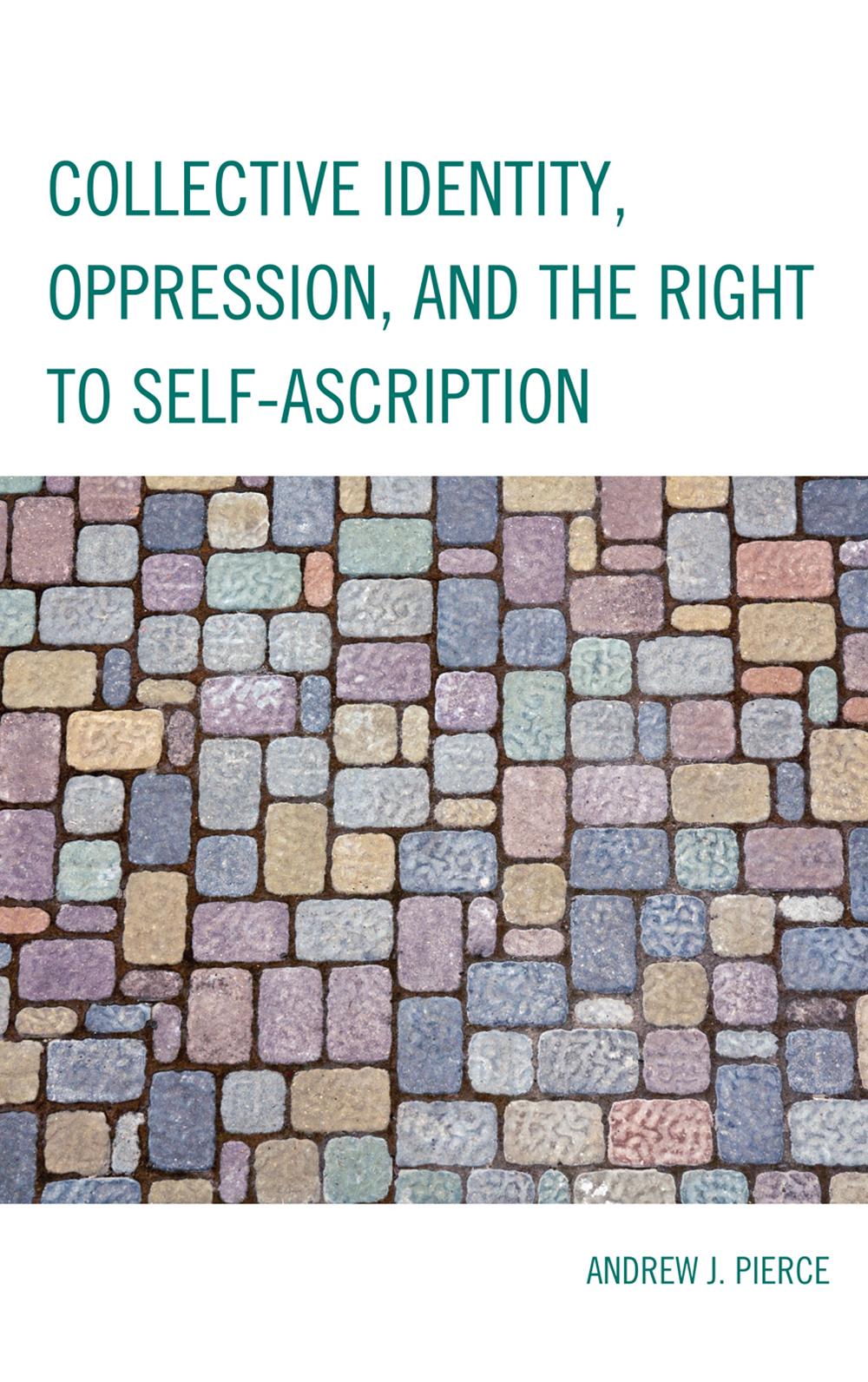
Collective Identity, Oppression, and the Right to Self-Ascription argues that groups have an irreducibly collective right to determine the meaning of their shared group identity, and that such a right is especially important for historically oppressed groups. The author specifies this right by way of a modified discourse ethic, demonstrating that it can provide the foundation for a conception of identity politics that avoids many of its usual pitfalls. The focus throughout is on racial identity, which provides a test case for the theory. That is, it investigates what it would mean for racial identities to be self-ascribed rather than imposed, establishing the possible role racial identity might play in a just society. The book thus makes a unique contribution to both the field of critical theory, which has been woefully silent on issues of race, and to race theory, which often either presumes that a just society would be a raceless society, or focuses primarily on understanding existing racial inequalities, in the manner typical of so-called “non-ideal theory.”
Betala smidigt med kort, Klarna, Apple Pay eller Google Pay. Är du inte nöjd har du alltid 14 dagars ångerrätt. Läs mer i våra villkor. Har du några frågor, mejla oss på hello@memmo.org.
Memmo gör det enklare att plugga – var du än är i världen. Hos oss samlar du kursböcker och smarta studieverktyg på ett och samma ställe: sammanfattningar, quiz, poddar och flashcards. Och så Ted, din studiekompis som svarar på allt du undrar. Över 50 000 studenter pluggar redan här – byggt för att du ska lära dig snabbare och stressa mindre.