
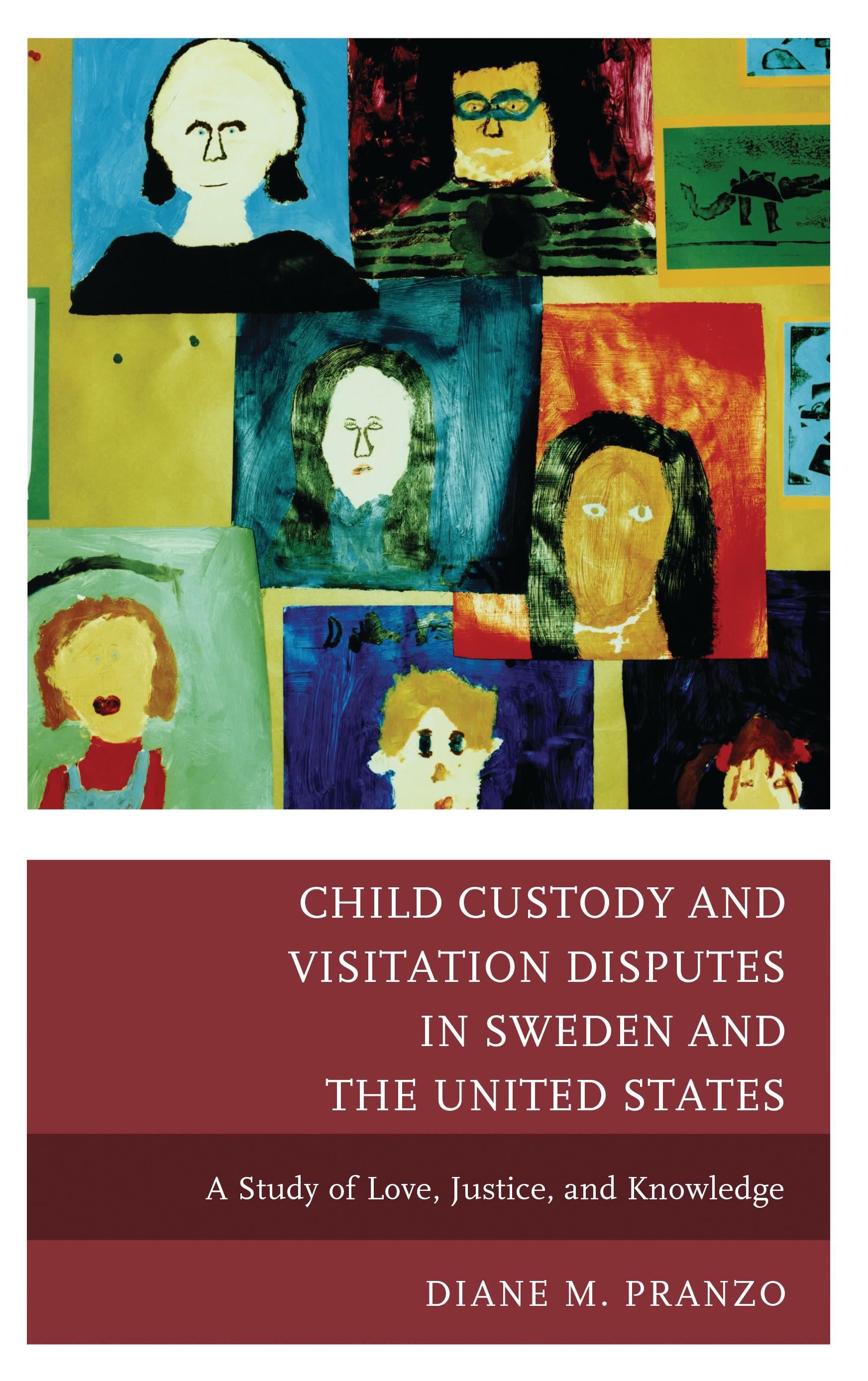
What are the social and cultural features that have the most impact on the interpretation of the legal standard, “best interest of the child”? One method for answering this question is through a comparison of two societies, Sweden and the United States, both of which apply the same legal standard to similar contested custody and visitation cases. This study views love, law, and knowledge as separate discourses. Love encompasses the interpretations of the actors whose claims arise from the emotions associated with care, concern, and relationships, namely parents, the children who are the subject of a case, and other family members. Justice encompasses the interpretations and claims which are made by judges, but its discourse includes the legal process and legal policies. Knowledge is encompassed by the concerns and claims of professionals and/or experts including social science discussions of care, welfare, and psychology and the interpretations and descriptions given by the professionals and experts regarding the actors in the cases. This book hypothesizes that a comparison of two societies that focuses on the interaction between the discourses of love, justice, and knowledge, in the process of decision-making in best interests of the child disputed custody cases, reveals features of decision-making that would be unavailable to researchers studying custody disputes in only one society.
Betala smidigt med kort, Klarna, Apple Pay eller Google Pay. Är du inte nöjd har du alltid 14 dagars ångerrätt. Läs mer i våra villkor. Har du några frågor, mejla oss på hello@memmo.org.
Memmo gör det enklare att plugga – var du än är i världen. Hos oss samlar du kursböcker och smarta studieverktyg på ett och samma ställe: sammanfattningar, quiz, poddar och flashcards. Och så Ted, din studiekompis som svarar på allt du undrar. Över 50 000 studenter pluggar redan här – byggt för att du ska lära dig snabbare och stressa mindre.