
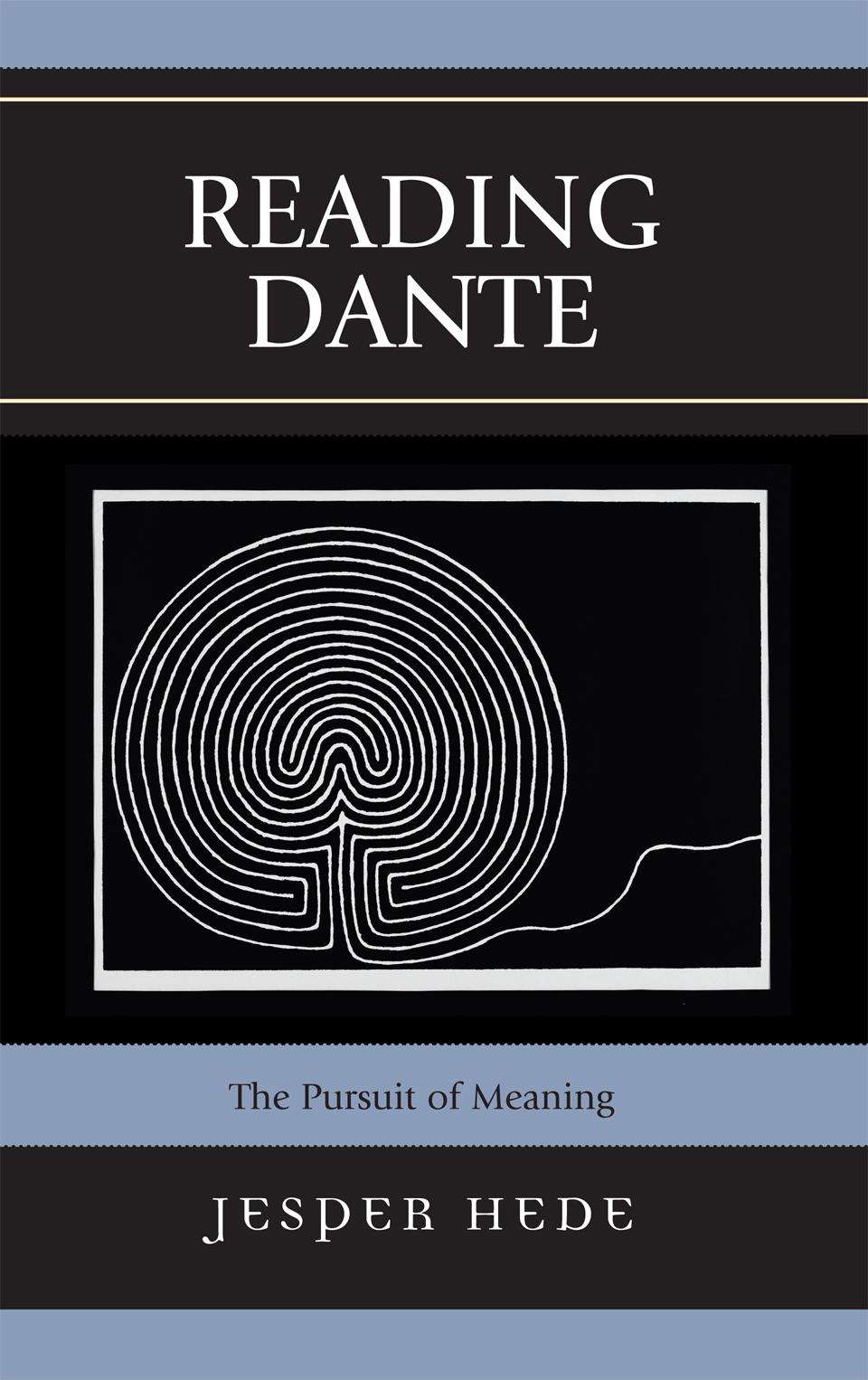
Reading Dante: The Pursuit of Meaning examines the problem of determining the thematic unity of Dante's Divina Commedia in the history of Dante studies. The question of unity has puzzled Dante readers for centuries, due to an apparent discrepancy between Dante's construction of the afterworld and medieval Christian teachings on the conditions of the afterlife. If all sins condemned in Hell can be forgiven, we would expect to see them purged in Purgatory and their virtuous opposite celebrated in Paradise. In Dante's account, however, the three realms of the afterlife appear as self-contained entities with only partially related structures that undermine the establishment of thematic correspondences and the determination of the poem's thematic unity. Was Dante inconsistent in his exposition of the divine order, or have Dante scholars been inconsistent in their treatment of the poem's thematic content? Jesper Hede examines the prevalent strategies of reading applied by Dante scholars in their attempt to solve the problem of unity. Detailing the major contributions to the resolution of the problem and focusing on medieval philosophy and modern hermeneutics, Hede argues that a systematic parallel reading of the poem's three parts reveals that it is the vision of divine order that gives the poem its thematic unity.
Betala smidigt med kort, Klarna, Apple Pay eller Google Pay. Är du inte nöjd har du alltid 14 dagars ångerrätt. Läs mer i våra villkor. Har du några frågor, mejla oss på hello@memmo.org.
Memmo gör det enklare att plugga – var du än är i världen. Hos oss samlar du kursböcker och smarta studieverktyg på ett och samma ställe: sammanfattningar, quiz, poddar och flashcards. Och så Ted, din studiekompis som svarar på allt du undrar. Över 50 000 studenter pluggar redan här – byggt för att du ska lära dig snabbare och stressa mindre.