
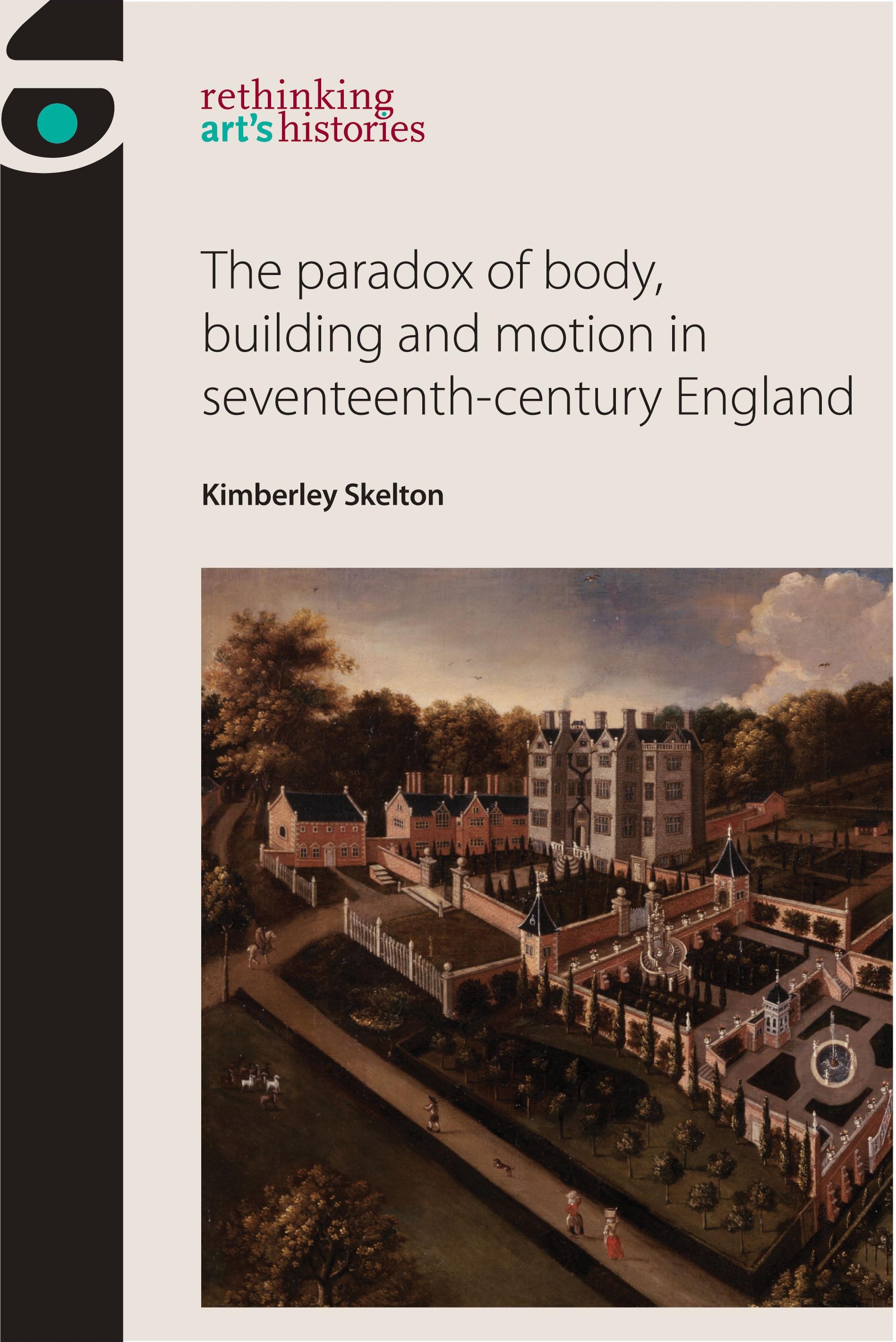
This book examines how seventeenth-century English architectural theorists and designers rethought the domestic built environment in terms of mobility, as motion became a dominant mode of articulating the world across discourses encompassing philosophy, political theory, poetry, and geography. From mid-century, the house and estate that had evoked staccato rhythms became triggers for mental and physical motion – evoking travel beyond England’s shores, displaying vistas, and showcasing changeable wall surfaces. Simultaneously, philosophers and other authors argued for the first time that, paradoxically, the blur of motion immobilised an inherently restless viewer into social predictability and so stability. Alternately feared and praised early in the century for its unsettling unpredictability, motion became the most certain way of comprehending social interactions, language, time, and the buildings that filtered human experience. At the heart of this narrative is the malleable sensory viewer, tacitly assumed in early modern architectural theory and history yet whose inescapable responsiveness to surrounding stimuli guaranteed a dependable world from the seventeenth century.
Betala smidigt med kort, Klarna, Apple Pay eller Google Pay. Är du inte nöjd har du alltid 14 dagars ångerrätt. Läs mer i våra villkor. Har du några frågor, mejla oss på hello@memmo.org.
Memmo gör det enklare att plugga – var du än är i världen. Hos oss samlar du kursböcker och smarta studieverktyg på ett och samma ställe: sammanfattningar, quiz, poddar och flashcards. Och så Ted, din studiekompis som svarar på allt du undrar. Över 75 000 studenter pluggar redan här – byggt för att du ska lära dig snabbare och stressa mindre.
Du kanske också gillar
Köp boken0