
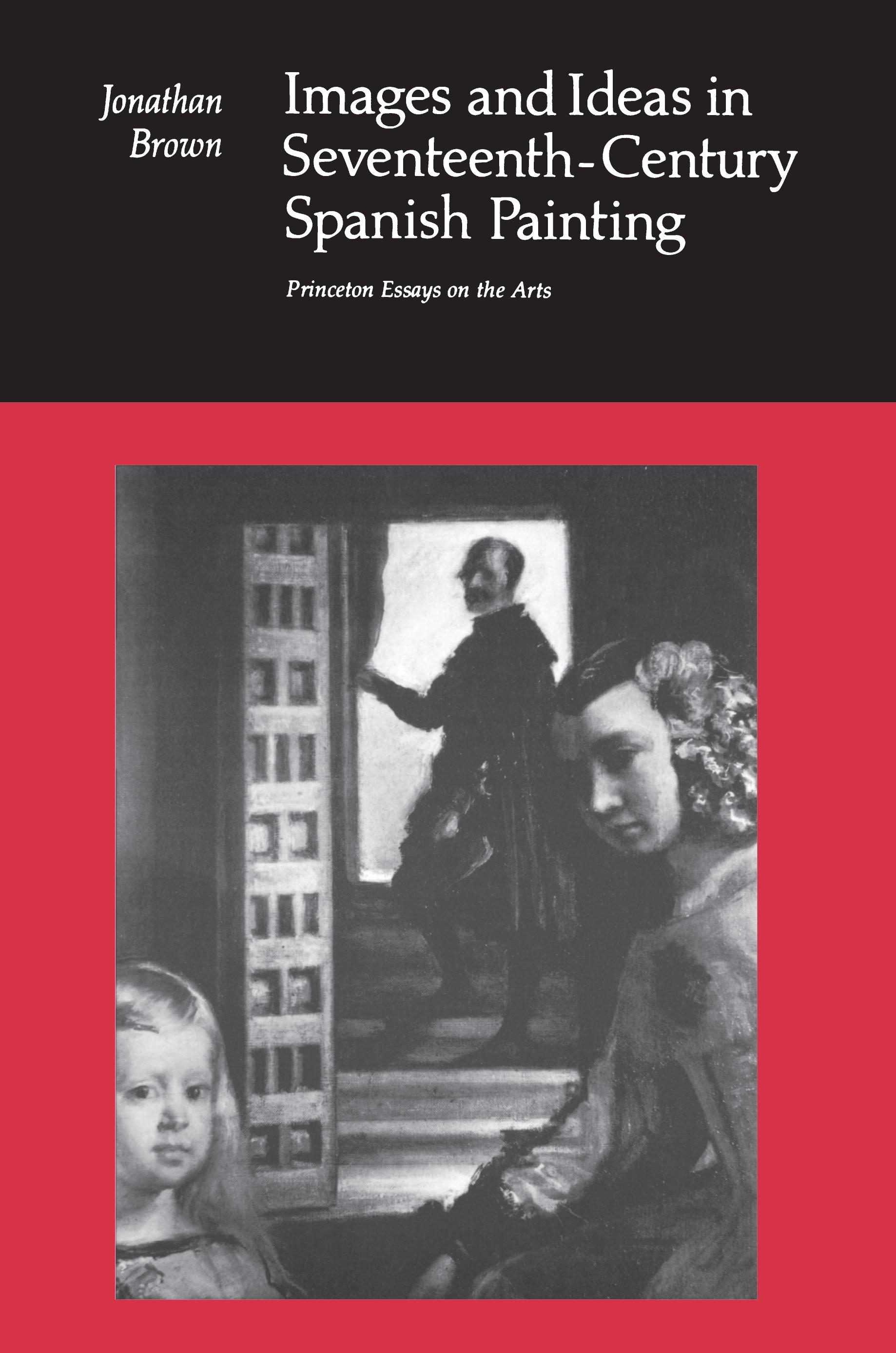
Art historians have often minimized the variety and complexity of seventeenth-century Spanish painting by concentrating on individual artists and their works and by stressing discovery of new information rather than interpretation. As a consequence, the painter emerges in isolation from the forces that shaped his work. Jonathan Brown offers another approach to the subject by relating important Spanish Baroque paintings and painters to their cultural milieu.
A critical survey of the historiography of seventeenth-century Spanish painting introduces this two-part collection of essays. Part One provides the most detailed study to date of the artistic-literary academy of Francisco Pacheco, and Part Two contains original studies of four major painters and their works: Las Meninas of Velázquez, Zurbarán's decoration of the sacristy at Guadalupe, and the work by Murillo and Valdés Leal for the Brotherhood of Charity, Seville. The essays are unified by the author's intention to show how the artists interacted with and responded to the prevailing social, theological, and historical currents of the time. While this contextual approach is not uncommon in the study of European art, it is newly applied here to restore some of the diversity and substance that Spanish Baroque painting originally possessed.
Betala smidigt med kort, Klarna, Apple Pay eller Google Pay. Är du inte nöjd har du alltid 14 dagars ångerrätt. Läs mer i våra villkor. Har du några frågor, mejla oss på hello@memmo.org.
Memmo gör det enklare att plugga – var du än är i världen. Hos oss samlar du kursböcker och smarta studieverktyg på ett och samma ställe: sammanfattningar, quiz, poddar och flashcards. Och så Ted, din studiekompis som svarar på allt du undrar. Över 75 000 studenter pluggar redan här – byggt för att du ska lära dig snabbare och stressa mindre.