
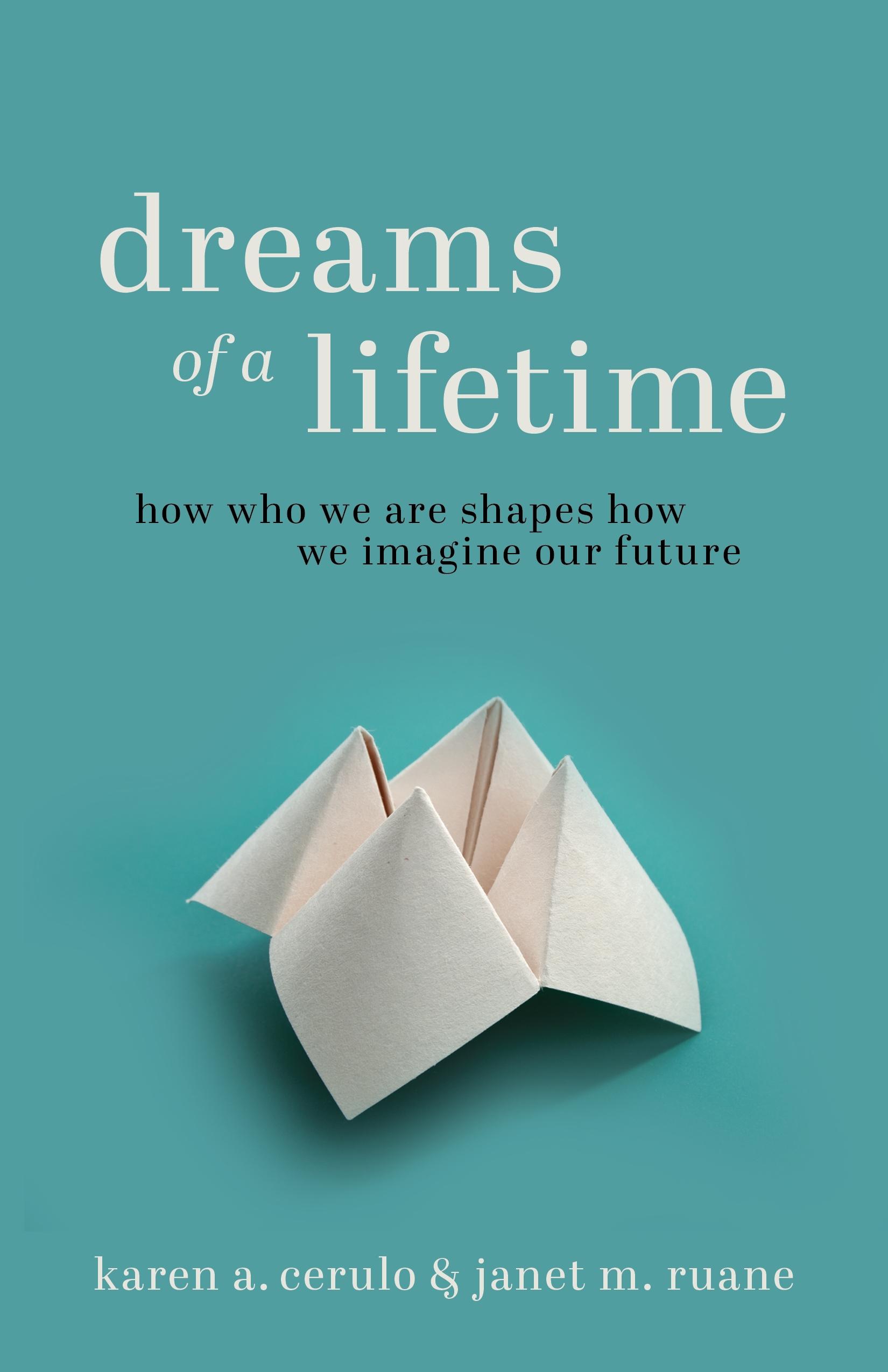
How social status shapes our dreams of the future and inhibits the lives we envision for ourselves
Most of us understand that a person’s place in society can close doors to opportunity, but we also tend to think that anything is possible when someone dreams about what might be. Dreams of a Lifetime reveals that what and how we dream—and whether we believe our dreams can actually come true—are tied to our social class, gender, race, age, and life events.
Karen Cerulo and Janet Ruane argue that our social location shapes the seemingly private and unique life of our minds. We are all free to dream about possibilities, but not all dreamers are equal. Cerulo and Ruane show how our social position ingrains itself on our mind’s eye, quietly influencing the nature of our dreams, whether we embrace dreaming or dream at all, and whether we believe that our dreams, from the attainable to the improbable, can become realities. They explore how inequalities stemming from social disadvantages pattern our dreams for ourselves, and how sociocultural disparities in how we dream exacerbate social inequalities and limit the life paths we believe are open to us.
Drawing on a wealth of original interviews with people from diverse social backgrounds, Dreams of a Lifetime demonstrates how the study of our dreams can provide new avenues for understanding and combating inequality—including inequalities that precede action or outcome.
Betala smidigt med kort, Klarna, Apple Pay eller Google Pay. Är du inte nöjd har du alltid 14 dagars ångerrätt. Läs mer i våra villkor. Har du några frågor, mejla oss på hello@memmo.org.
Memmo gör det enklare att plugga – var du än är i världen. Hos oss samlar du kursböcker och smarta studieverktyg på ett och samma ställe: sammanfattningar, quiz, poddar och flashcards. Och så Ted, din studiekompis som svarar på allt du undrar. Över 50 000 studenter pluggar redan här – byggt för att du ska lära dig snabbare och stressa mindre.