
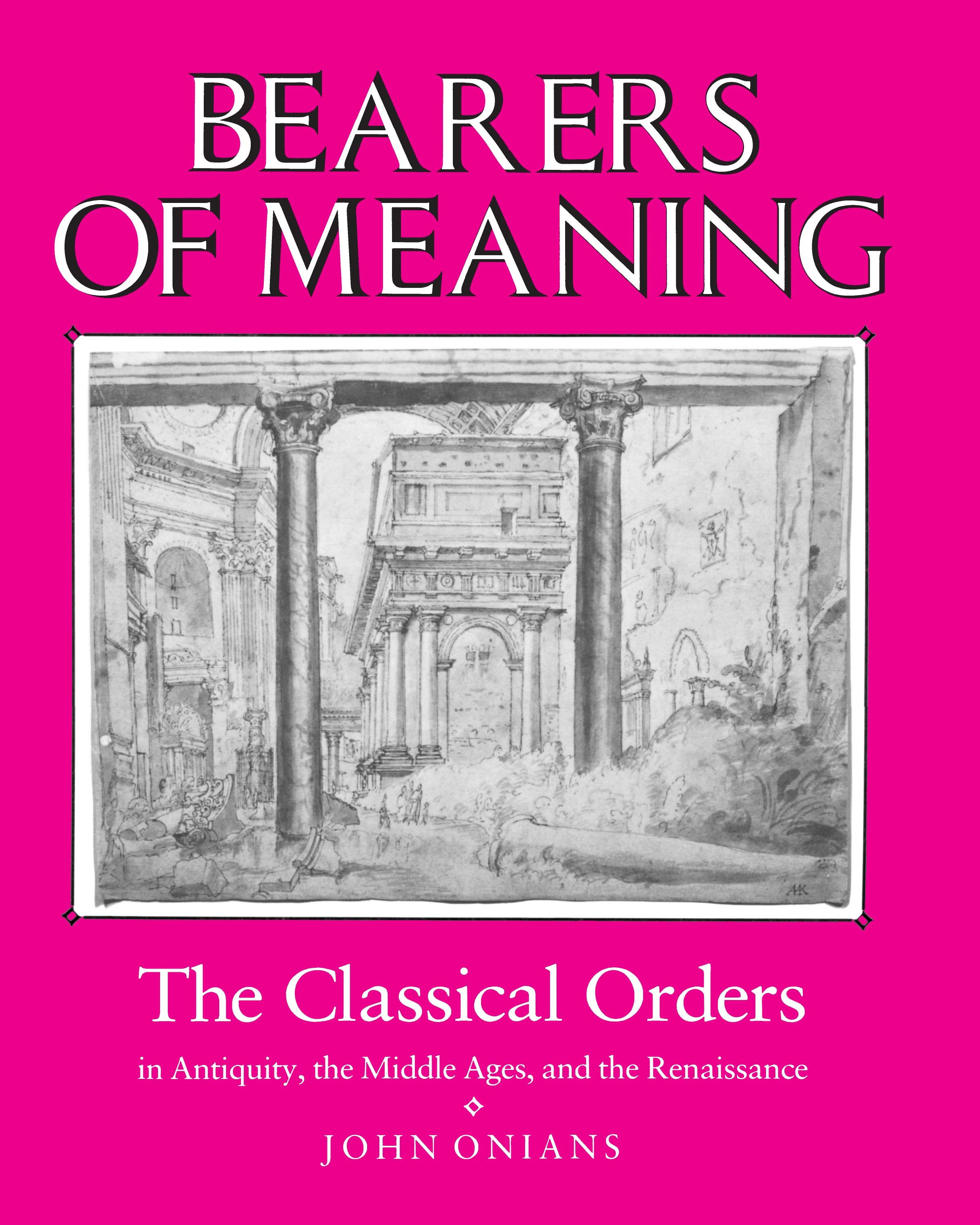
For all those interested in the relationship between ideas and the built environment, John Onians provides a lively illustrated account of the range of meanings that Western culture has assigned to the Classical orders. Onians shows that during the 2,000 years from their first appearance in ancient Greece through their codification in Renaissance Italy, the orders--the columns and capitals known as Doric, Ionic, Corinthian, Tuscan, and Composite--were made to serve expressive purposes, engaging the viewer in a continuing visual dialogue.
Betala smidigt med kort, Klarna, Apple Pay eller Google Pay. Är du inte nöjd har du alltid 14 dagars ångerrätt. Läs mer i våra villkor. Har du några frågor, mejla oss på hello@memmo.org.
Memmo gör det enklare att plugga – var du än är i världen. Hos oss samlar du kursböcker och smarta studieverktyg på ett och samma ställe: sammanfattningar, quiz, poddar och flashcards. Och så Ted, din studiekompis som svarar på allt du undrar. Över 75 000 studenter pluggar redan här – byggt för att du ska lära dig snabbare och stressa mindre.