
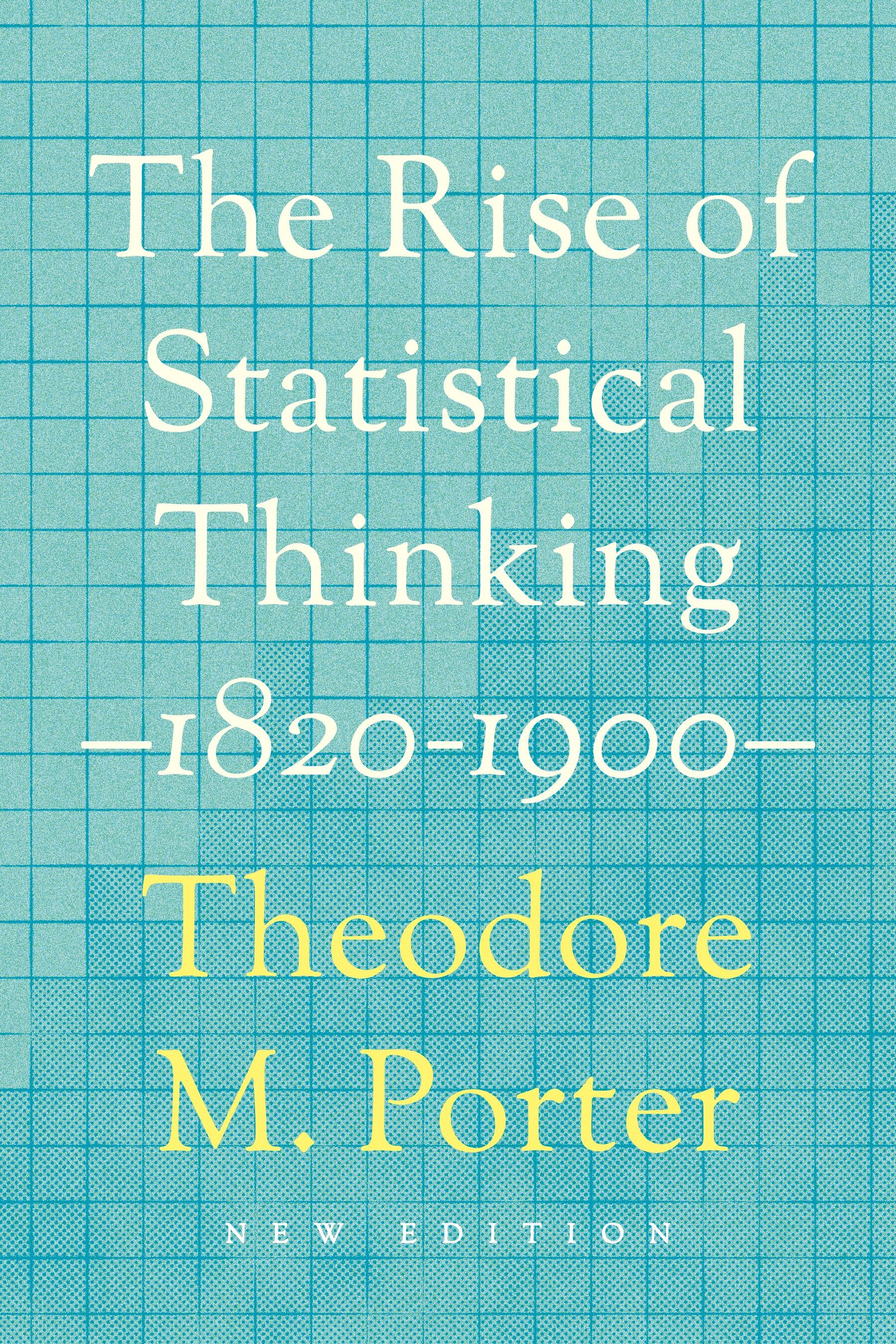
An essential work on the origins of statistics
The Rise of Statistical Thinking, 1820–1900 explores the history of statistics from the field's origins in the nineteenth century through to the factors that produced the burst of modern statistical innovation in the early twentieth century. Theodore Porter shows that statistics was not developed by mathematicians and then applied to the sciences and social sciences. Rather, the field came into being through the efforts of social scientists, who saw a need for statistical tools in their examination of society. Pioneering statistical physicists and biologists James Clerk Maxwell, Ludwig Boltzmann, and Francis Galton introduced statistical models to the sciences by pointing to analogies between their disciplines and the social sciences. A new preface by the author looks at how the book has remained relevant since its initial publication, and considers the current place of statistics in scientific research.
Betala smidigt med kort, Klarna, Apple Pay eller Google Pay. Är du inte nöjd har du alltid 14 dagars ångerrätt. Läs mer i våra villkor. Har du några frågor, mejla oss på hello@memmo.org.
Memmo gör det enklare att plugga – var du än är i världen. Hos oss samlar du kursböcker och smarta studieverktyg på ett och samma ställe: sammanfattningar, quiz, poddar och flashcards. Och så Ted, din studiekompis som svarar på allt du undrar. Över 50 000 studenter pluggar redan här – byggt för att du ska lära dig snabbare och stressa mindre.