
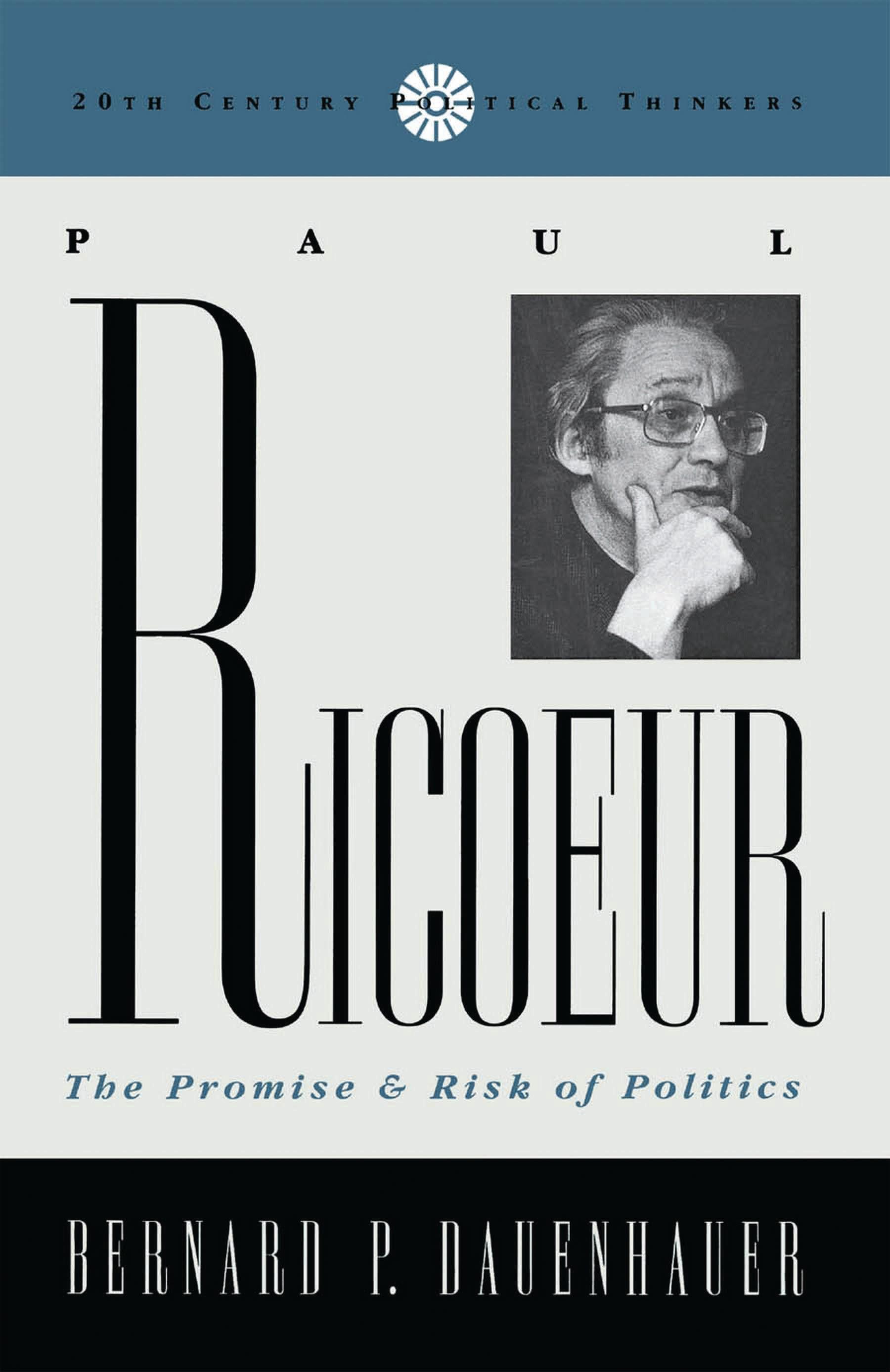
Paul Ricoeur, with Rawls, Walzer, and Habermas as some of his main interlocutors, has developed a substantial and distinctive body of political thought. On the one hand, it articulates a rich conception of the paradoxical character of the domain of politics. On the other, it provides a fresh approach to such major topics as the relationship among politics, economics, and ethics and between concern for universal human rights and respect for cultural plurality. His work, rooted as it is in Aristotle, Kant, and Hegel, also provides resources for a fruitful rethinking of the issues at stake in the liberal-communitarian debate.
Betala smidigt med kort, Klarna, Apple Pay eller Google Pay. Är du inte nöjd har du alltid 14 dagars ångerrätt. Läs mer i våra villkor. Har du några frågor, mejla oss på hello@memmo.org.
Memmo gör det enklare att plugga – var du än är i världen. Hos oss samlar du kursböcker och smarta studieverktyg på ett och samma ställe: sammanfattningar, quiz, poddar och flashcards. Och så Ted, din studiekompis som svarar på allt du undrar. Över 50 000 studenter pluggar redan här – byggt för att du ska lära dig snabbare och stressa mindre.