
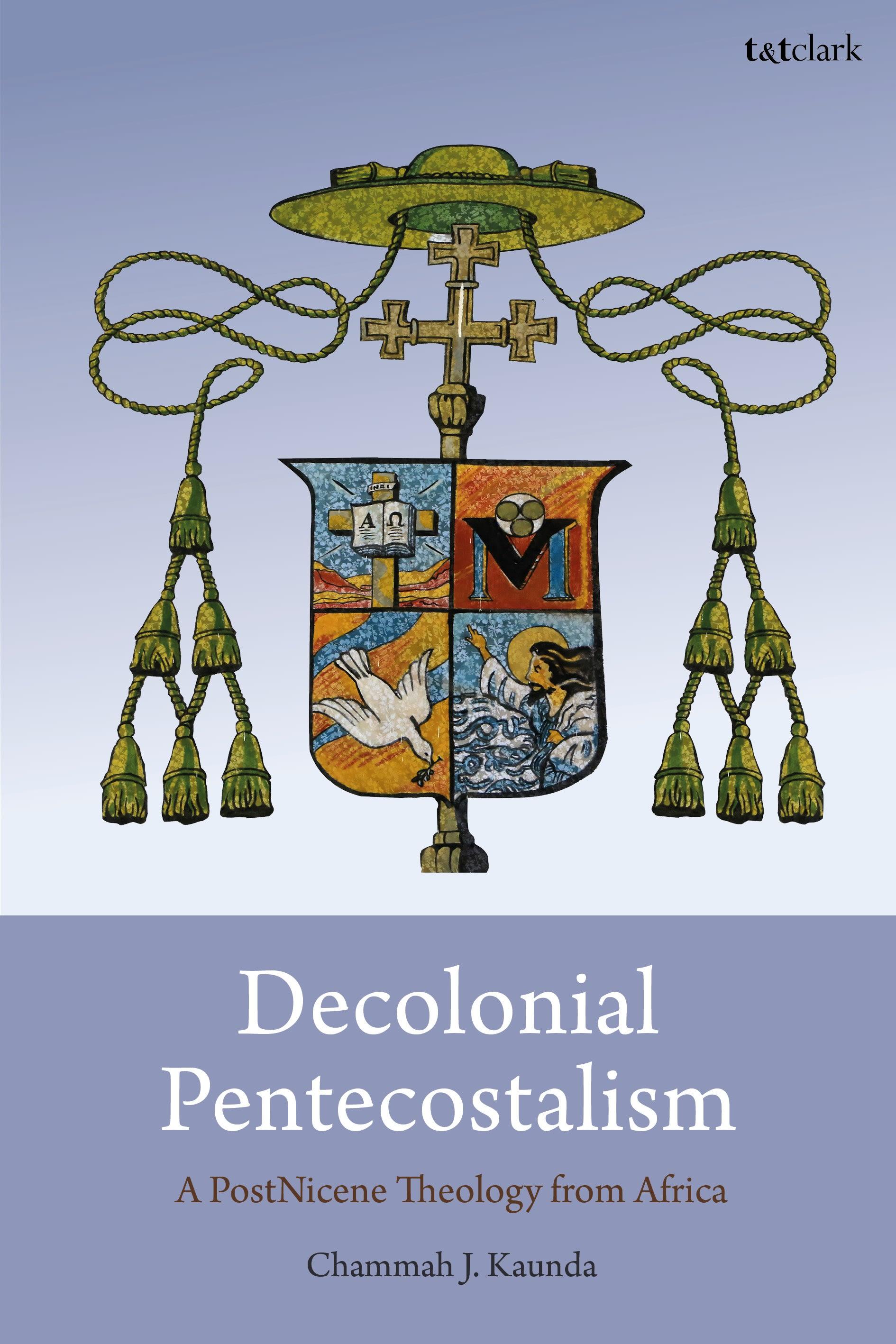
The book presents a bold and transformative exploration of how Pentecostal theology can be revitalized by critically engaging with the Nicene Creed through the lens of African spirituality and decolonial thought.
In an era marked by profound cultural exchanges and theological diversification, Kaunda challenges traditional Nicene faith and calls for a new approach that reflects the pluralistic realities of the 21st century. Rooted in the rich metaphysical and philosophical traditions of the Bemba people of Zambia, the book critiques the classical dualistic interpretations of Christian theology, which have long emphasized divisions between the sacred and secular, material and spiritual, human and nonhuman.
Through a decolonial framework, this powerful work seeks to dismantle these entrenched dualisms and reintroduce an integrated approach to faith, one that embraces the interconnectedness of all things. African indigenous concepts are central to this reimagining of Nicene Christianity. It demonstrates how Pentecostalism, with its emphasis on the Spirit's dynamic presence, can speak powerfully to issues such as gender relations, ecological crises, power dynamics, and the lived realities of African communities. Grounding theological reflection in the lived experiences and cultural contexts of African Pentecostal believers, Kaunda reveals a more holistic, contextually resonant, and responsive form of Christian theology.
In an era marked by profound cultural exchanges and theological diversification, Kaunda challenges traditional Nicene faith and calls for a new approach that reflects the pluralistic realities of the 21st century. Rooted in the rich metaphysical and philosophical traditions of the Bemba people of Zambia, the book critiques the classical dualistic interpretations of Christian theology, which have long emphasized divisions between the sacred and secular, material and spiritual, human and nonhuman.
Through a decolonial framework, this powerful work seeks to dismantle these entrenched dualisms and reintroduce an integrated approach to faith, one that embraces the interconnectedness of all things. African indigenous concepts are central to this reimagining of Nicene Christianity. It demonstrates how Pentecostalism, with its emphasis on the Spirit's dynamic presence, can speak powerfully to issues such as gender relations, ecological crises, power dynamics, and the lived realities of African communities. Grounding theological reflection in the lived experiences and cultural contexts of African Pentecostal believers, Kaunda reveals a more holistic, contextually resonant, and responsive form of Christian theology.
Betala smidigt med kort, Klarna, Apple Pay eller Google Pay. Är du inte nöjd har du alltid 14 dagars ångerrätt. Läs mer i våra villkor. Har du några frågor, mejla oss på hello@memmo.org.
Memmo gör det enklare att plugga – var du än är i världen. Hos oss samlar du kursböcker och smarta studieverktyg på ett och samma ställe: sammanfattningar, quiz, poddar och flashcards. Och så Ted, din studiekompis som svarar på allt du undrar. Över 50 000 studenter pluggar redan här – byggt för att du ska lära dig snabbare och stressa mindre.