
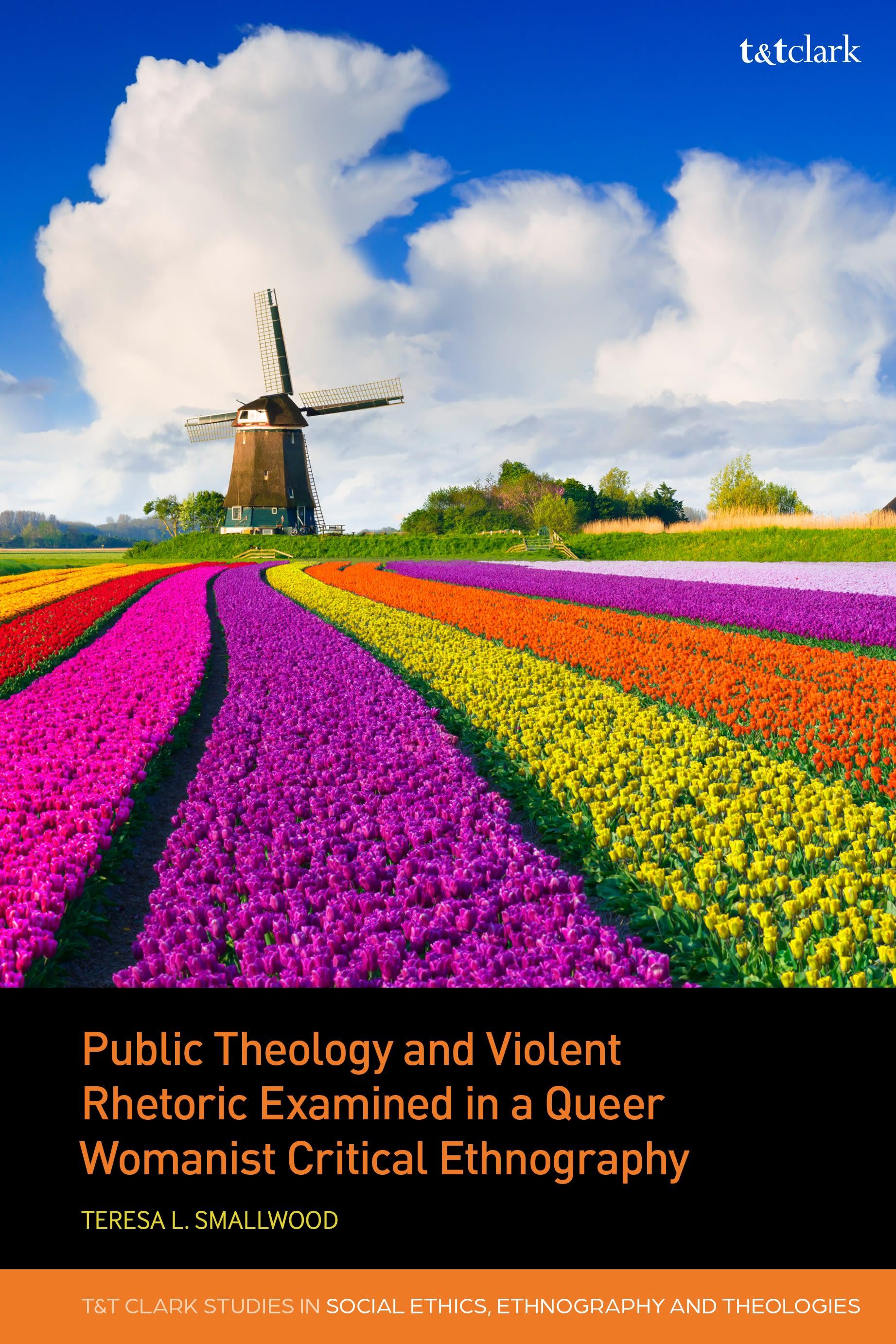
Public theology is an emerging constructive tool. In its inception, public theology was largely contextualized as the 'public church.' However, this thoughtful and empathetic book situates our publics everywhere. Smallwood contends that those who have been harmed by violent rhetoric from speech actors who would 'other' them retain the capacity to have and hold a theology. This different entry point allows for people of faith, those who are and those who are not associated with a particular communion of faith or denominational affiliation to claim public space for theologizing. Here, public theology is about the capacity of those who are 'othered' to affirmatively express their faith and to critically engage with those who would deny and denigrate their ontology.
'Enduring hardship as a good soldier' does not mean exposing oneself to verbal abuse week after week. Many LGBTQIA+ persons are assaulted, degraded, humiliated, and derogated from the pulpits and podiums of places of worship. This abuse caused many to turn away from their faith. Those who withstood protracted verbal abuse turned it inward and began to hate themselves. Through ethnography, Smallwood tackles these tough truths and engages with LGBTQIA+ persons. This book critically examines both the harm done to them and the help that is to come from a paradigmatic shift in care. Smallwood emphasises how spiritual self-assessment, ritual, and indigenous spiritual practices offer a way to wholeness and healing. Drawing from Yoruba epistemology, this work offers a framework for rebirth, renewal, and reclamation.
'Enduring hardship as a good soldier' does not mean exposing oneself to verbal abuse week after week. Many LGBTQIA+ persons are assaulted, degraded, humiliated, and derogated from the pulpits and podiums of places of worship. This abuse caused many to turn away from their faith. Those who withstood protracted verbal abuse turned it inward and began to hate themselves. Through ethnography, Smallwood tackles these tough truths and engages with LGBTQIA+ persons. This book critically examines both the harm done to them and the help that is to come from a paradigmatic shift in care. Smallwood emphasises how spiritual self-assessment, ritual, and indigenous spiritual practices offer a way to wholeness and healing. Drawing from Yoruba epistemology, this work offers a framework for rebirth, renewal, and reclamation.
Betala smidigt med kort, Klarna, Apple Pay eller Google Pay. Är du inte nöjd har du alltid 14 dagars ångerrätt. Läs mer i våra villkor. Har du några frågor, mejla oss på hello@memmo.org.
Memmo gör det enklare att plugga – var du än är i världen. Hos oss samlar du kursböcker och smarta studieverktyg på ett och samma ställe: sammanfattningar, quiz, poddar och flashcards. Och så Ted, din studiekompis som svarar på allt du undrar. Över 50 000 studenter pluggar redan här – byggt för att du ska lära dig snabbare och stressa mindre.