
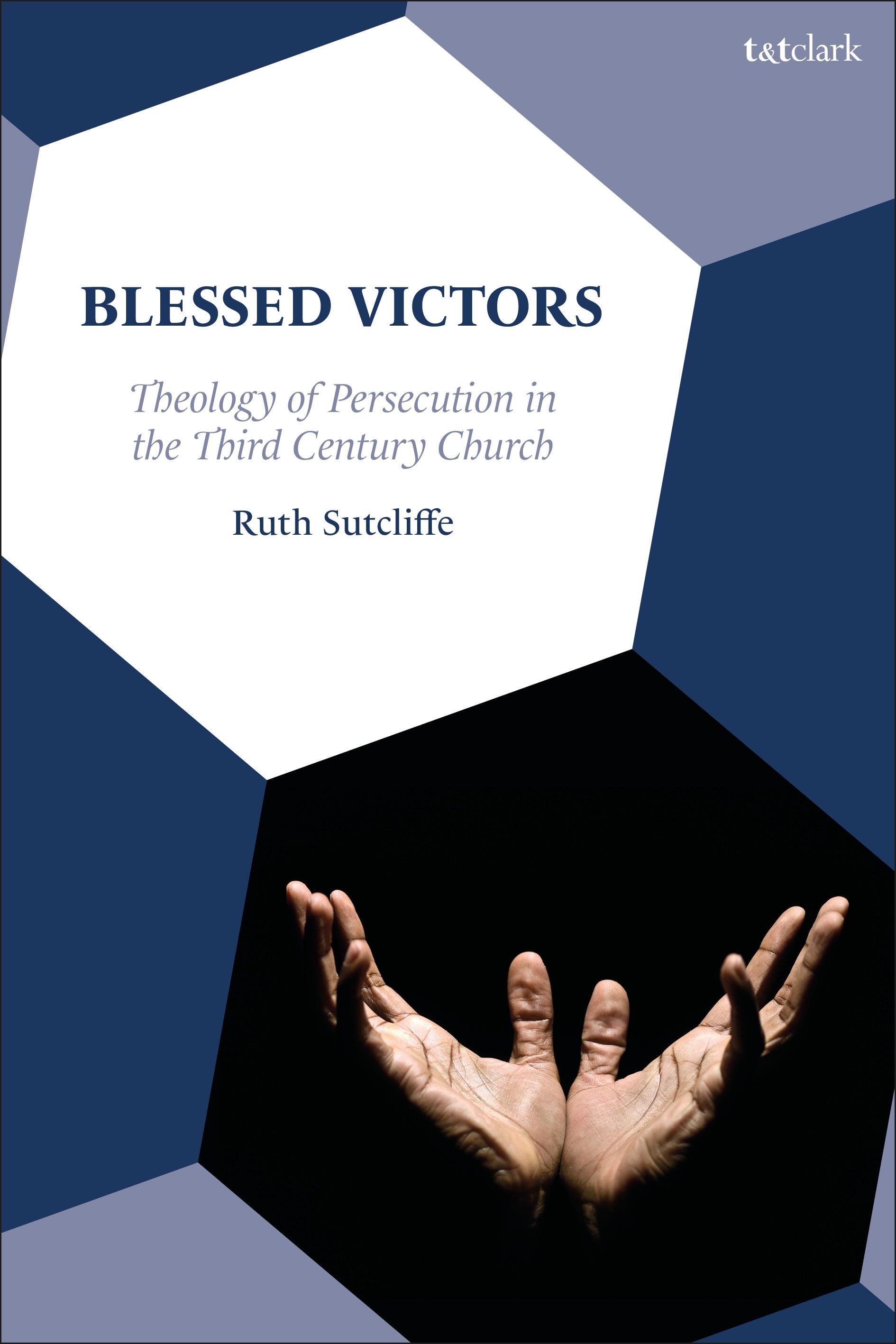
The late second through third centuries saw the remarkable confluence of the early church's developing identity, theological understanding and praxis, with a period of opposition and intermittent persecution from the world around it. Theology necessarily engaged with the persecution experience, as the church considered the goodness and providence of God, the Name to be confessed and the purposeful outcome of the antagonism they faced. Ruth Sutcliffe argues that the early fathers' theological understanding of the role of persecution in the Christian life informed their exhortations to individual and communal response, contributing to the church's remarkable survival and growth through this period.
Four great thinkers of this era - Clement and Origen of Alexandria and Tertullian and Cyprian of Carthage - each have much to contribute to a theological understanding of Christian persecution, and Sutcliffe explores their widely different perspectives, intellectual milieu and experiences. She explains these differences and similarities in terms of their use of the Scriptures, in conversation with their own contexts and agendas; concluding that their differences in approach to persecution can be explained theologically, and that these differences offer a unique window into their respective thought. Despite such differences, Sutcliffe stresses that the early church did have a fundamentally coherent “theology of persecution” which speaks to the worldwide church today.
Four great thinkers of this era - Clement and Origen of Alexandria and Tertullian and Cyprian of Carthage - each have much to contribute to a theological understanding of Christian persecution, and Sutcliffe explores their widely different perspectives, intellectual milieu and experiences. She explains these differences and similarities in terms of their use of the Scriptures, in conversation with their own contexts and agendas; concluding that their differences in approach to persecution can be explained theologically, and that these differences offer a unique window into their respective thought. Despite such differences, Sutcliffe stresses that the early church did have a fundamentally coherent “theology of persecution” which speaks to the worldwide church today.
Betala smidigt med kort, Klarna, Apple Pay eller Google Pay. Är du inte nöjd har du alltid 14 dagars ångerrätt. Läs mer i våra villkor. Har du några frågor, mejla oss på hello@memmo.org.
Memmo gör det enklare att plugga – var du än är i världen. Hos oss samlar du kursböcker och smarta studieverktyg på ett och samma ställe: sammanfattningar, quiz, poddar och flashcards. Och så Ted, din studiekompis som svarar på allt du undrar. Över 50 000 studenter pluggar redan här – byggt för att du ska lära dig snabbare och stressa mindre.