
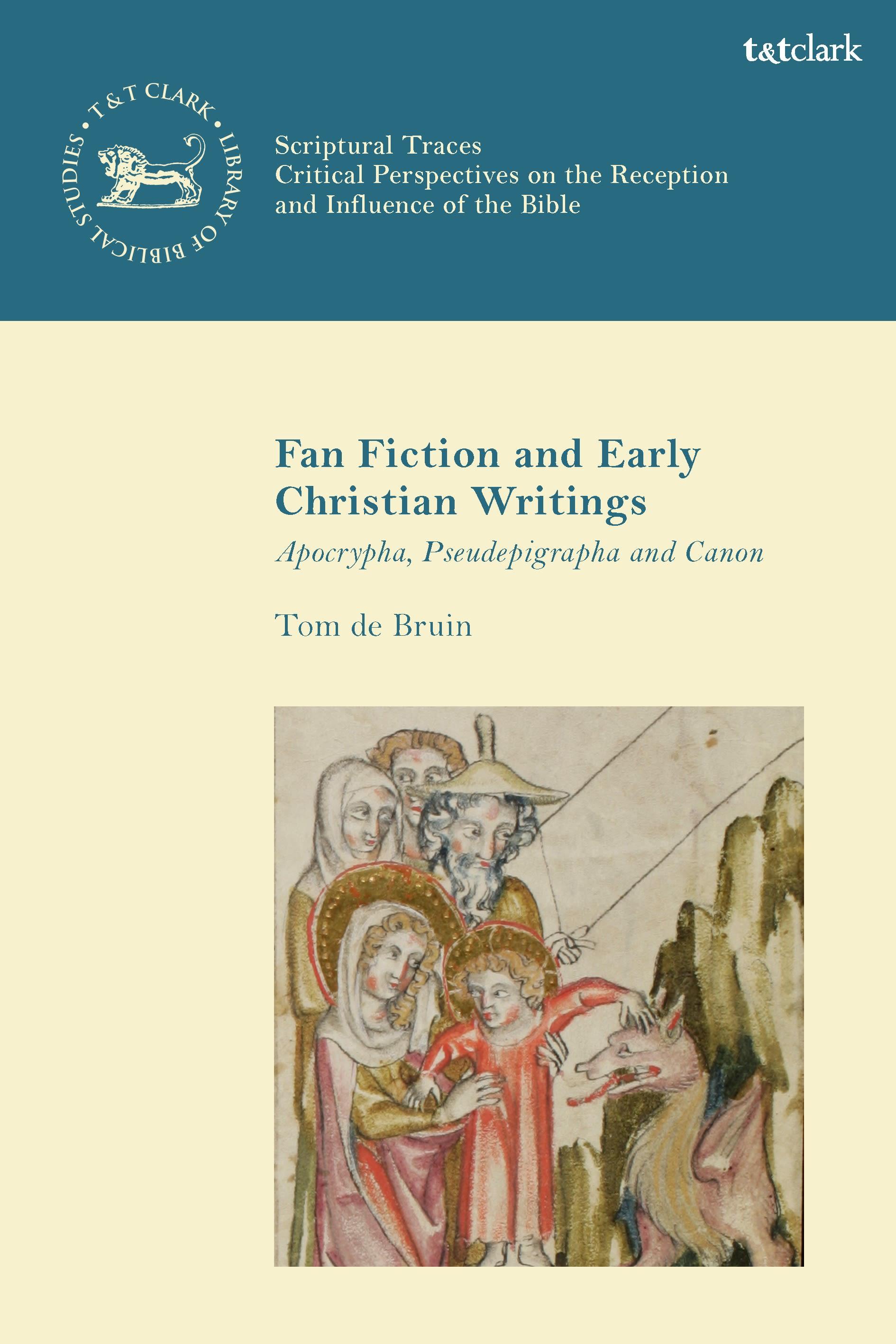
What can contemporary media fandoms, like Anne Rice, Star Wars, Batman, or Sherlock Holmes, tell us about ancient Christianity?
Tom de Bruin demonstrates how fandom and fan fiction are both analogous and incongruous with Christian derivative works. The often-disparaging terms applied to Christian apocrypha and pseudepigrapha, such as fakes, forgeries or corruptions, are not sufficient to capture the production, consumption, and value of these writings. De Bruin reimagines a range of early Christian works as fan practices. Exploring these ancient texts in new ways, he takes the reader on a journey from the 'fix-it fic' endings of the Gospel of Mark to the subversive fan fictions of the Testaments of the Twelve Patriarchs, and from the densely populated storyworld of early Christian art to the gatekeeping of Christian orthodoxy.
Using theory developed in fan studies, De Bruin revisits fundamental questions about ancient derivative texts: Why where they written? How do they interact with more established texts? In what ways does the consumption of derivative works influence the reception of existing traditions? And how does the community react to these works? This book sheds exciting and new light on ancient Christian literary production, consumption and transmission.
Tom de Bruin demonstrates how fandom and fan fiction are both analogous and incongruous with Christian derivative works. The often-disparaging terms applied to Christian apocrypha and pseudepigrapha, such as fakes, forgeries or corruptions, are not sufficient to capture the production, consumption, and value of these writings. De Bruin reimagines a range of early Christian works as fan practices. Exploring these ancient texts in new ways, he takes the reader on a journey from the 'fix-it fic' endings of the Gospel of Mark to the subversive fan fictions of the Testaments of the Twelve Patriarchs, and from the densely populated storyworld of early Christian art to the gatekeeping of Christian orthodoxy.
Using theory developed in fan studies, De Bruin revisits fundamental questions about ancient derivative texts: Why where they written? How do they interact with more established texts? In what ways does the consumption of derivative works influence the reception of existing traditions? And how does the community react to these works? This book sheds exciting and new light on ancient Christian literary production, consumption and transmission.
Betala smidigt med kort, Klarna, Apple Pay eller Google Pay. Är du inte nöjd har du alltid 14 dagars ångerrätt. Läs mer i våra villkor. Har du några frågor, mejla oss på hello@memmo.org.
Memmo gör det enklare att plugga – var du än är i världen. Hos oss samlar du kursböcker och smarta studieverktyg på ett och samma ställe: sammanfattningar, quiz, poddar och flashcards. Och så Ted, din studiekompis som svarar på allt du undrar. Över 50 000 studenter pluggar redan här – byggt för att du ska lära dig snabbare och stressa mindre.