
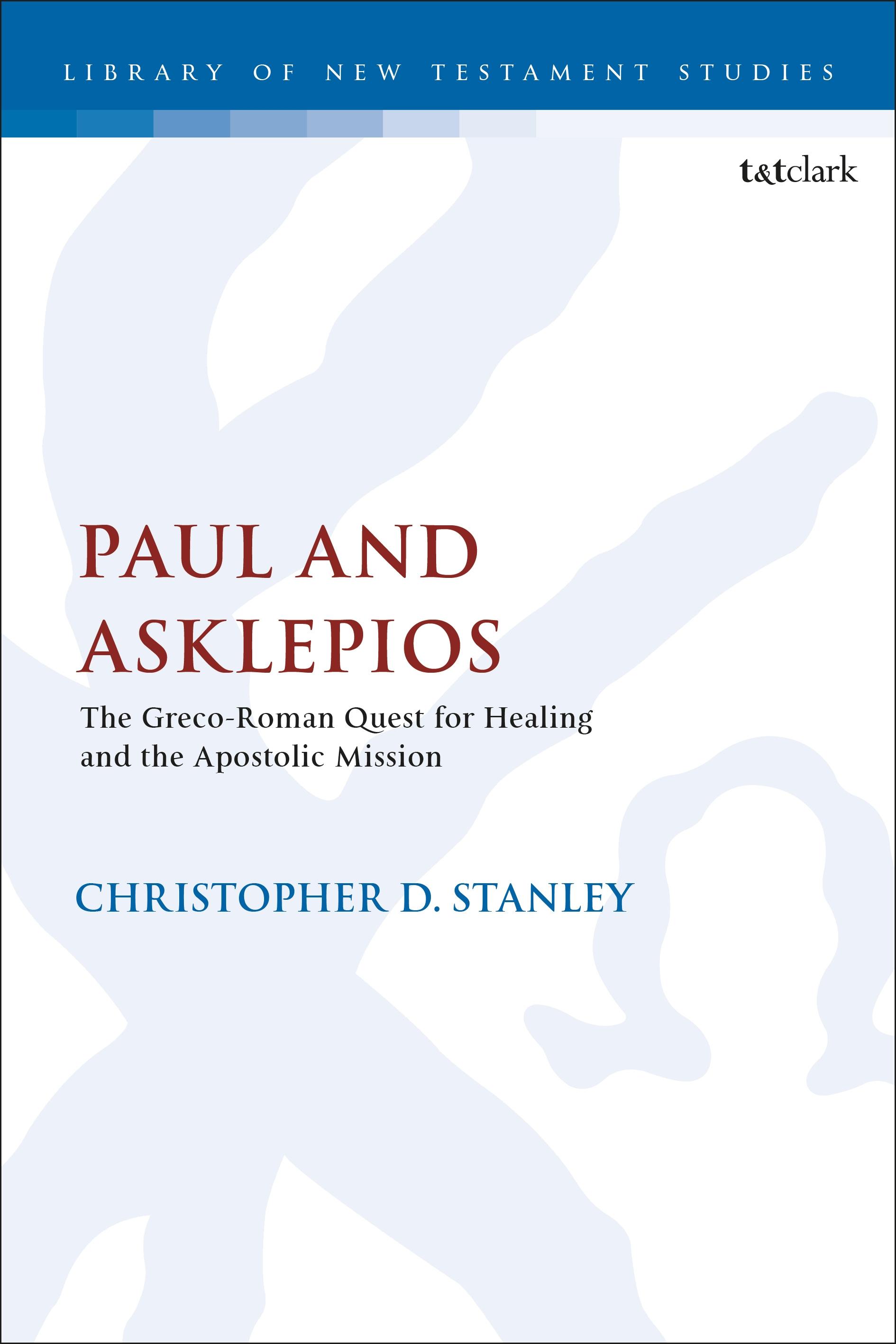
What role did offers of physical healing (or the hope of receiving it) play in the missionary program of the apostle Paul? What did he do to treat the many illnesses and injuries that he endured while pursuing his mission? What did he advise his followers to do regarding their health problems? Such questions have been broadly neglected in studies of Paul and his churches, but Christopher D. Stanley shows how vital they truly become once we recognize how thoroughly “pagan” religion was implicated in all aspects of Greco-Roman health care. What did Paul approve, and what did he reject?
Given Paul's silence on these subjects, Stanley relies on a cross-cultural and interdisciplinary approach to develop informed judgments about what Paul might have thought, said, and done with regard to his own and his followers' health care. He begins by exploring the nature and extent of sickness in the Roman world and the four overlapping health care systems that were available to Paul and his followers: home remedies, “magical” treatments, religious healing, and medical care. He then examines how Judeans and Christians in the centuries before and after Paul viewed and engaged with these systems. Finally, he speculates on what kinds of treatments Paul might have approved or rejected and whether he might have used promises of healing to attract people to his movement. The result is a thorough and nuanced analysis of a vital dimension of Greco-Roman social life and Paul's place within it.
Given Paul's silence on these subjects, Stanley relies on a cross-cultural and interdisciplinary approach to develop informed judgments about what Paul might have thought, said, and done with regard to his own and his followers' health care. He begins by exploring the nature and extent of sickness in the Roman world and the four overlapping health care systems that were available to Paul and his followers: home remedies, “magical” treatments, religious healing, and medical care. He then examines how Judeans and Christians in the centuries before and after Paul viewed and engaged with these systems. Finally, he speculates on what kinds of treatments Paul might have approved or rejected and whether he might have used promises of healing to attract people to his movement. The result is a thorough and nuanced analysis of a vital dimension of Greco-Roman social life and Paul's place within it.
Betala smidigt med kort, Klarna, Apple Pay eller Google Pay. Är du inte nöjd har du alltid 14 dagars ångerrätt. Läs mer i våra villkor. Har du några frågor, mejla oss på hello@memmo.org.
Memmo gör det enklare att plugga – var du än är i världen. Hos oss samlar du kursböcker och smarta studieverktyg på ett och samma ställe: sammanfattningar, quiz, poddar och flashcards. Och så Ted, din studiekompis som svarar på allt du undrar. Över 50 000 studenter pluggar redan här – byggt för att du ska lära dig snabbare och stressa mindre.