
Shortlisted for the American Academy of Religion's Book Award 2020
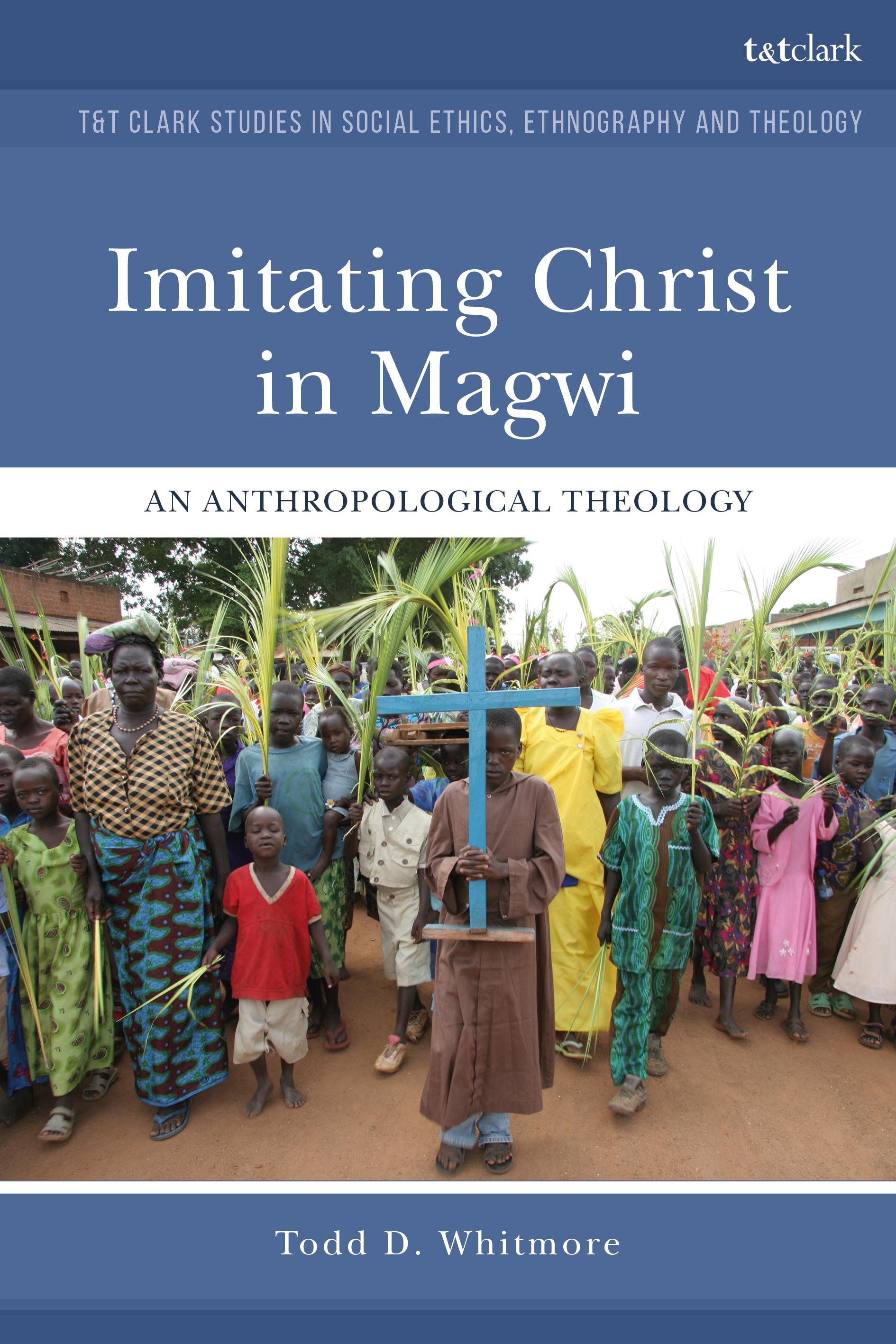
Imitating Christ in Magwi: An Anthropological Theology achieves two things. First, focusing on indigenous Roman Catholics in northern Uganda and South Sudan, it is a detailed ethnography of how a community sustains hope in the midst of one of the most brutal wars in recent memory, that between the Ugandan government and the rebel Lord's Resistance Army. Whitmore finds that the belief that the spirit of Jesus Christ can enter into a person through such devotions as the Adoration of the Eucharist gave people the wherewithal to carry out striking works of mercy during the conflict, and, like Jesus of Nazareth, to risk their lives in the process. Traditional devotion leveraged radical witness.
Second, Gospel Mimesis is a call for theology itself to be a practice of imitating Christ. Such practice requires both living among people on the far margins of society – Whitmore carried out his fieldwork in Internally Displaced Persons camps – and articulating a theology that foregrounds the daily, if extraordinary, lives of people. Here, ethnography is not an add-on to theological concepts; rather, ethnography is a way of doing theology, and includes what anthropologists call “thick description” of lives of faith. Unlike theology that draws only upon abstract concepts, what Whitmore calls “anthropological theology” is consonant with the fact that God did indeed become human. It may well involve risk to one's own life – Whitmore had to leave Uganda for three years after writing an article critical of the President – but that is what imitatio Christi sometimes requires.
Imitating Christ in Magwi: An Anthropological Theology achieves two things. First, focusing on indigenous Roman Catholics in northern Uganda and South Sudan, it is a detailed ethnography of how a community sustains hope in the midst of one of the most brutal wars in recent memory, that between the Ugandan government and the rebel Lord's Resistance Army. Whitmore finds that the belief that the spirit of Jesus Christ can enter into a person through such devotions as the Adoration of the Eucharist gave people the wherewithal to carry out striking works of mercy during the conflict, and, like Jesus of Nazareth, to risk their lives in the process. Traditional devotion leveraged radical witness.
Second, Gospel Mimesis is a call for theology itself to be a practice of imitating Christ. Such practice requires both living among people on the far margins of society – Whitmore carried out his fieldwork in Internally Displaced Persons camps – and articulating a theology that foregrounds the daily, if extraordinary, lives of people. Here, ethnography is not an add-on to theological concepts; rather, ethnography is a way of doing theology, and includes what anthropologists call “thick description” of lives of faith. Unlike theology that draws only upon abstract concepts, what Whitmore calls “anthropological theology” is consonant with the fact that God did indeed become human. It may well involve risk to one's own life – Whitmore had to leave Uganda for three years after writing an article critical of the President – but that is what imitatio Christi sometimes requires.
Betala smidigt med kort, Klarna, Apple Pay eller Google Pay. Är du inte nöjd har du alltid 14 dagars ångerrätt. Läs mer i våra villkor. Har du några frågor, mejla oss på hello@memmo.org.
Memmo gör det enklare att plugga – var du än är i världen. Hos oss samlar du kursböcker och smarta studieverktyg på ett och samma ställe: sammanfattningar, quiz, poddar och flashcards. Och så Ted, din studiekompis som svarar på allt du undrar. Över 50 000 studenter pluggar redan här – byggt för att du ska lära dig snabbare och stressa mindre.