
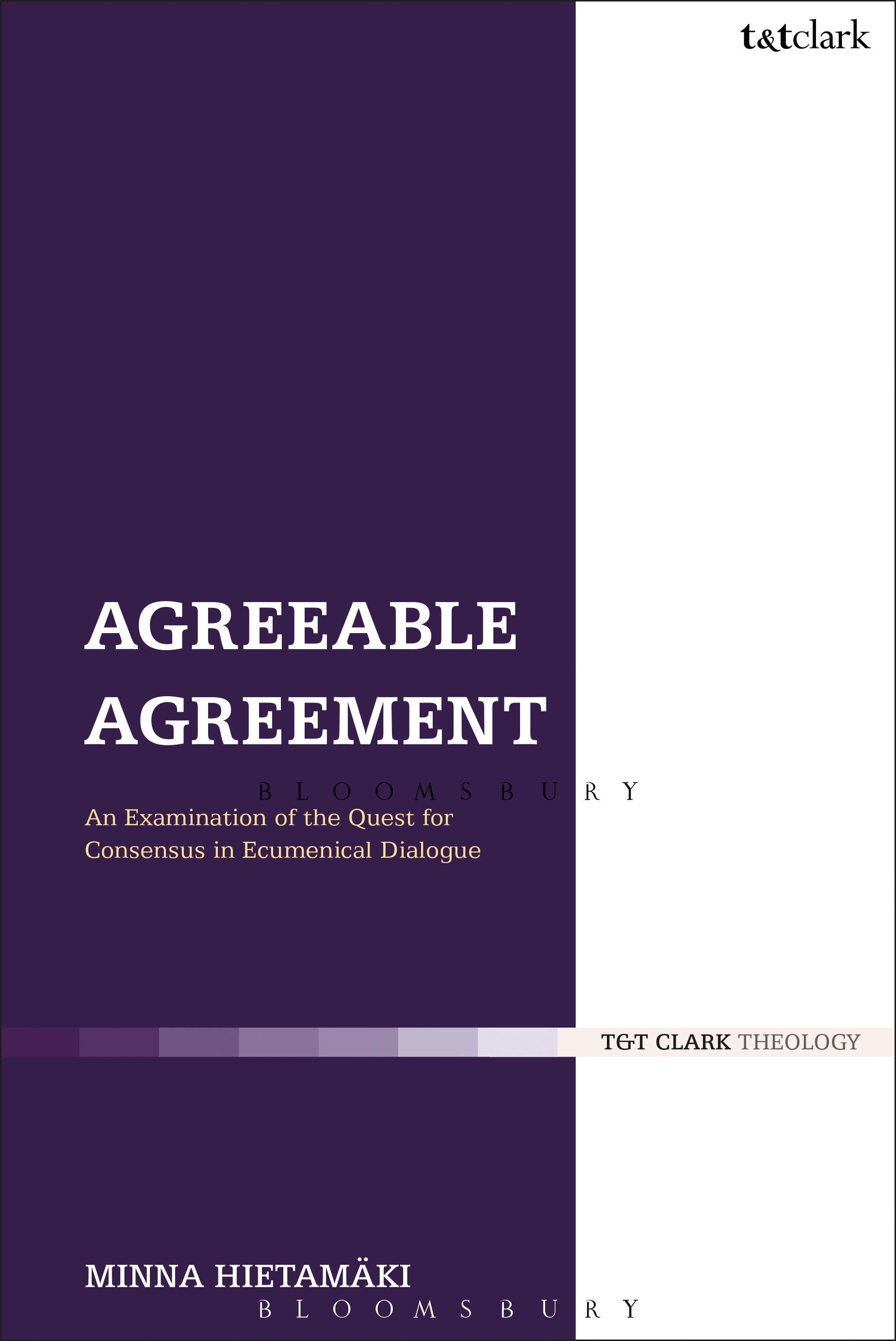
In recent bilateral ecumenical dialogue the aim of the dialogue has been to reach some form of doctrinal consensus. The three major chapters of the book discuss the variety of forms of doctrinal consensus found in ecumenical dialogues among Anglicans, Lutherans and Roman Catholics. In general, the dialogue documents argue for agreement/consensus based on commonality or compatibility.
Each of the three dialogue processes has specific characteristics and formulates its argument in a unique way. The Lutheran-Roman Catholic dialogue has a particular interest in hermeneutical questions and proposes various forms of "differentiated" or perspectival forms of consensus. The Anglican-Roman Catholic dialogue emphasises the correctness of interpretations. The documents consciously look towards a "common future", not the separated past.
Each of the three dialogue processes has specific characteristics and formulates its argument in a unique way. The Lutheran-Roman Catholic dialogue has a particular interest in hermeneutical questions and proposes various forms of "differentiated" or perspectival forms of consensus. The Anglican-Roman Catholic dialogue emphasises the correctness of interpretations. The documents consciously look towards a "common future", not the separated past.
Betala smidigt med kort, Klarna, Apple Pay eller Google Pay. Är du inte nöjd har du alltid 14 dagars ångerrätt. Läs mer i våra villkor. Har du några frågor, mejla oss på hello@memmo.org.
Memmo gör det enklare att plugga – var du än är i världen. Hos oss samlar du kursböcker och smarta studieverktyg på ett och samma ställe: sammanfattningar, quiz, poddar och flashcards. Och så Ted, din studiekompis som svarar på allt du undrar. Över 50 000 studenter pluggar redan här – byggt för att du ska lära dig snabbare och stressa mindre.