
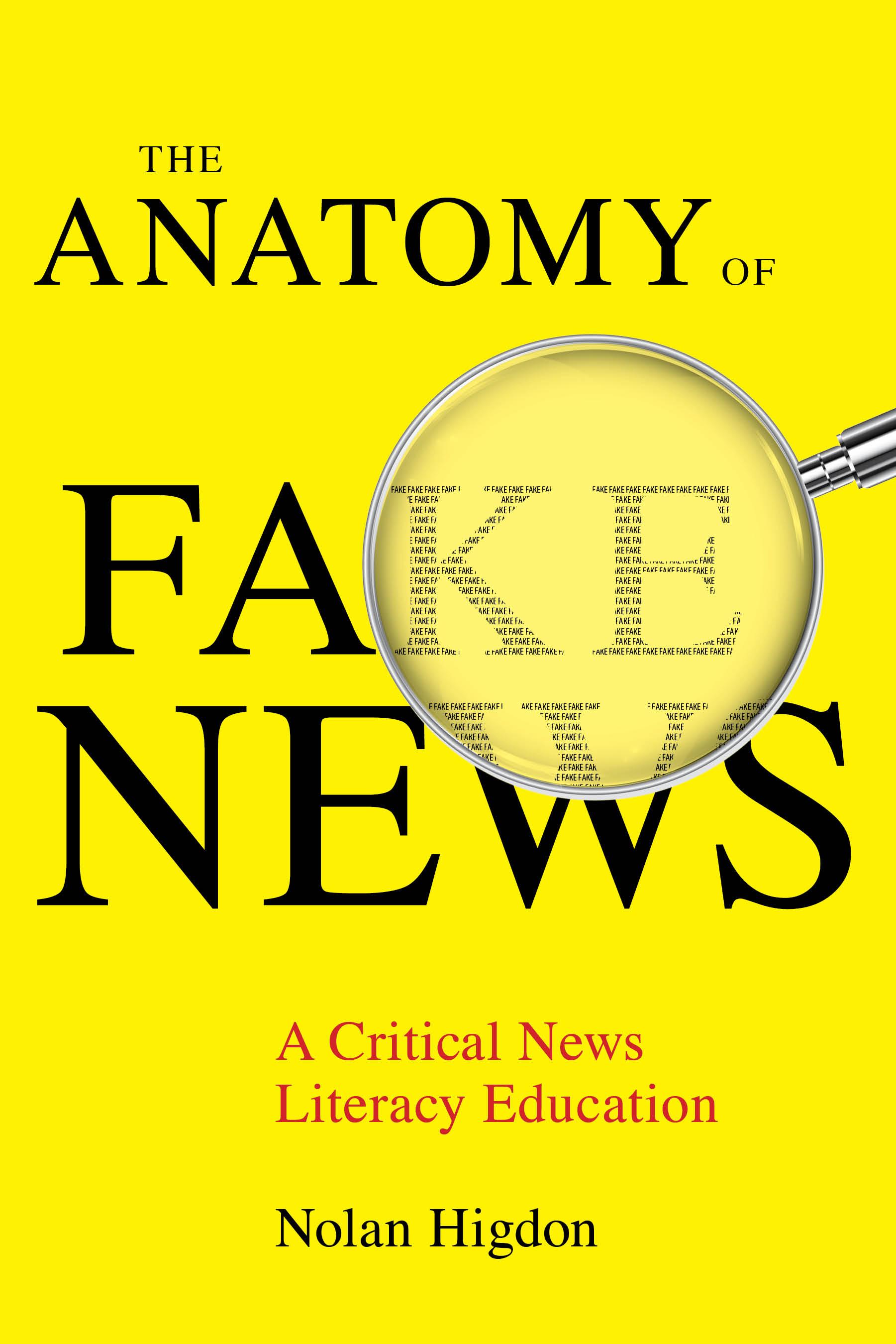
Since the 2016 U.S. presidential election, concerns about fake news have fostered calls for government regulation and industry intervention to mitigate the influence of false content. These proposals are hindered by a lack of consensus concerning the definition of fake news or its origins. Media scholar Nolan Higdon contends that expanded access to critical media literacy education, grounded in a comprehensive history of fake news, is a more promising solution to these issues. The Anatomy of Fake News offers the first historical examination of fake news that takes as its goal the effective teaching of critical news literacy in the United States. Higdon employs a critical-historical media ecosystems approach to identify the producers, themes, purposes, and influences of fake news. The findings are then incorporated into an invaluable fake news detection kit. This much-needed resource provides a rich history and a promising set of pedagogical strategies for mitigating the pernicious influence of fake news.
Betala smidigt med kort, Klarna, Apple Pay eller Google Pay. Är du inte nöjd har du alltid 14 dagars ångerrätt. Läs mer i våra villkor. Har du några frågor, mejla oss på hello@memmo.org.
Memmo gör det enklare att plugga – var du än är i världen. Hos oss samlar du kursböcker och smarta studieverktyg på ett och samma ställe: sammanfattningar, quiz, poddar och flashcards. Och så Ted, din studiekompis som svarar på allt du undrar. Över 50 000 studenter pluggar redan här – byggt för att du ska lära dig snabbare och stressa mindre.
Du kanske också gillar
Köp boken0