
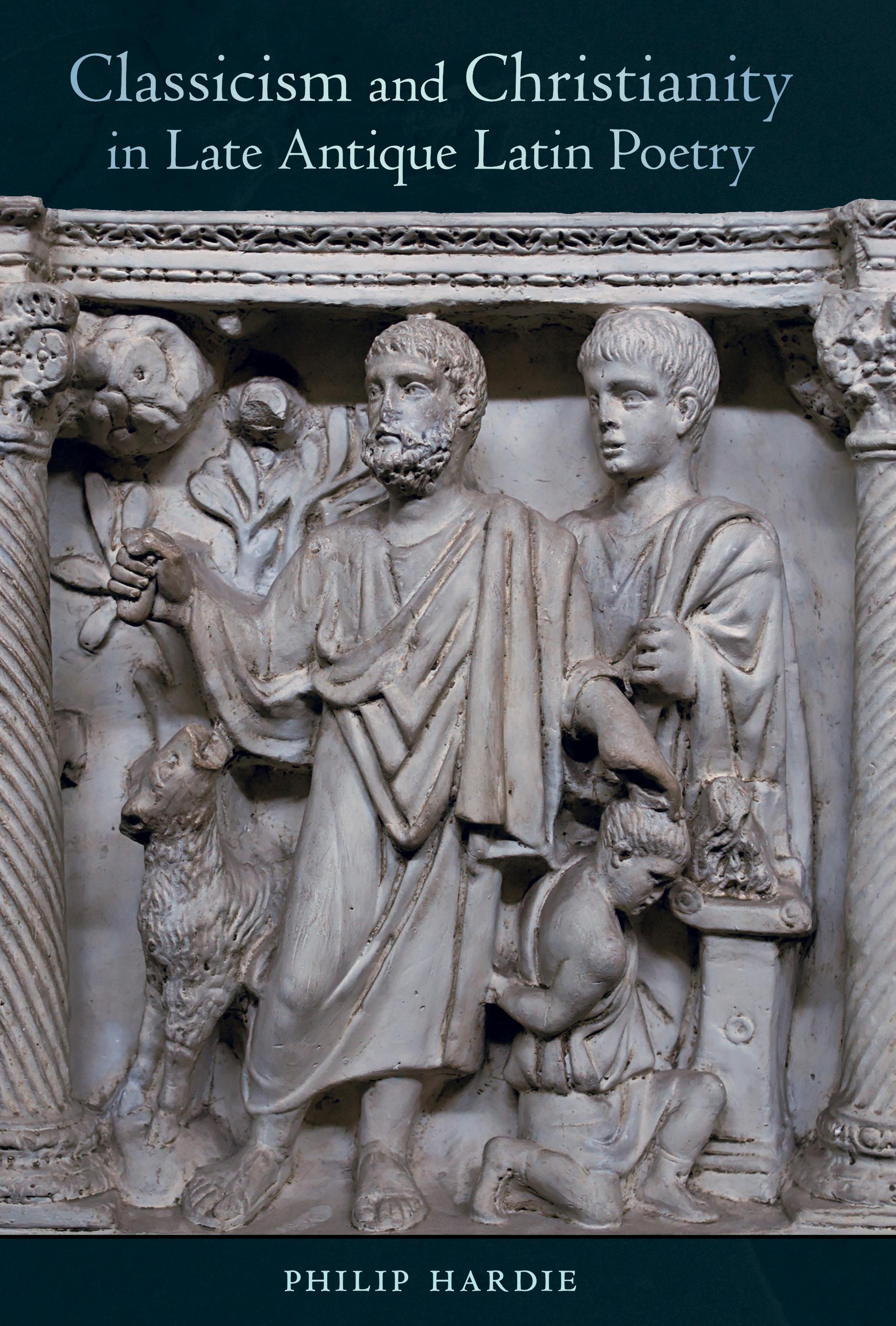
After centuries of near silence, Latin poetry underwent a renaissance in the late fourth and fifth centuries CE evidenced in the works of key figures such as Ausonius, Claudian, Prudentius, and Paulinus of Nola. This period of resurgence marked a milestone in the reception of the classics of late Republican and early imperial poetry. In Classicism and Christianity in Late Antique Latin Poetry, Philip Hardie explores the ways in which poets writing on non-Christian and Christian subjects used the classical traditions of Latin poetry to construct their relationship with Rome’s imperial past and present, and with the by now not-so-new belief system of the state religion, Christianity. The book pays particular attention to the themes of concord and discord, the "cosmic sense" of late antiquity, novelty and renouatio, paradox and miracle, and allegory. It is also a contribution to the ongoing discussion of whether there is an identifiably late antique poetics and a late antique practice of intertextuality. Not since Michael Robert's classic The Jeweled Style has a single book had so much to teach about the enduring power of Latin poetry in late antiquity.
Betala smidigt med kort, Klarna, Apple Pay eller Google Pay. Är du inte nöjd har du alltid 14 dagars ångerrätt. Läs mer i våra villkor. Har du några frågor, mejla oss på hello@memmo.org.
Memmo gör det enklare att plugga – var du än är i världen. Hos oss samlar du kursböcker och smarta studieverktyg på ett och samma ställe: sammanfattningar, quiz, poddar och flashcards. Och så Ted, din studiekompis som svarar på allt du undrar. Över 50 000 studenter pluggar redan här – byggt för att du ska lära dig snabbare och stressa mindre.
Du kanske också gillar
Köp boken0