
“My world seems upside down. I have grown up but I feel like I’m moving backward. And I can’t do anything about it.” –Esperanza
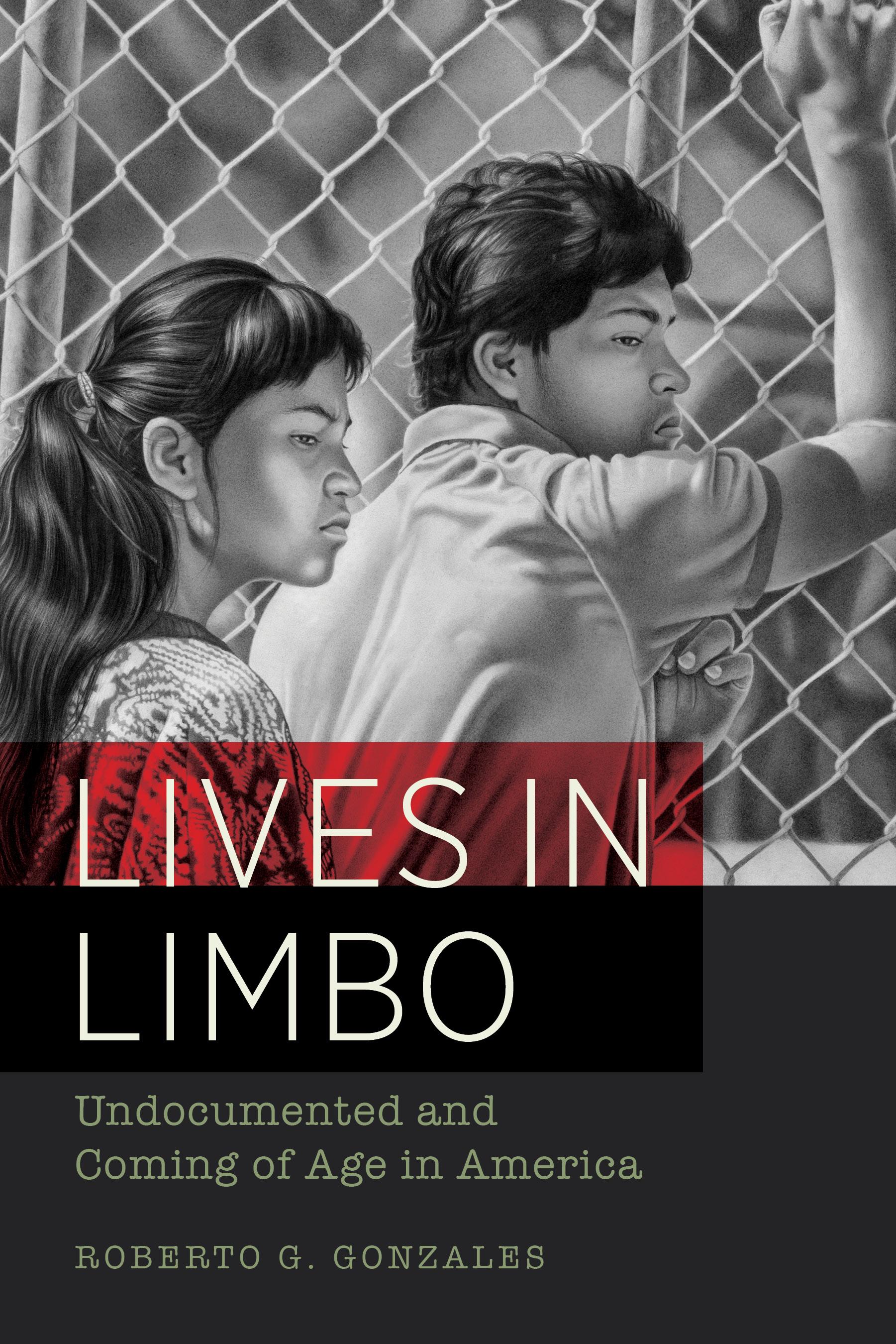
Over two million of the nation’s eleven million undocumented immigrants have lived in the United States since childhood. Due to a broken immigration system, they grow up to uncertain futures. In Lives in Limbo, Roberto G. Gonzales introduces us to two groups: the college-goers, like Ricardo, who had good grades and a strong network of community support that propelled him to college and DREAM Act organizing but still landed in a factory job a few short years after graduation, and the early-exiters, like Gabriel, who failed to make meaningful connections in high school and started navigating dead-end jobs, immigration checkpoints, and a world narrowly circumscribed by legal limitations. This vivid ethnography explores why highly educated undocumented youth share similar work and life outcomes with their less-educated peers, despite the fact that higher education is touted as the path to integration and success in America. Mining the results of an extraordinary twelve-year study that followed 150 undocumented young adults in Los Angeles, Lives in Limbo exposes the failures of a system that integrates children into K-12 schools but ultimately denies them the rewards of their labor.
Over two million of the nation’s eleven million undocumented immigrants have lived in the United States since childhood. Due to a broken immigration system, they grow up to uncertain futures. In Lives in Limbo, Roberto G. Gonzales introduces us to two groups: the college-goers, like Ricardo, who had good grades and a strong network of community support that propelled him to college and DREAM Act organizing but still landed in a factory job a few short years after graduation, and the early-exiters, like Gabriel, who failed to make meaningful connections in high school and started navigating dead-end jobs, immigration checkpoints, and a world narrowly circumscribed by legal limitations. This vivid ethnography explores why highly educated undocumented youth share similar work and life outcomes with their less-educated peers, despite the fact that higher education is touted as the path to integration and success in America. Mining the results of an extraordinary twelve-year study that followed 150 undocumented young adults in Los Angeles, Lives in Limbo exposes the failures of a system that integrates children into K-12 schools but ultimately denies them the rewards of their labor.
Betala smidigt med kort, Klarna, Apple Pay eller Google Pay. Är du inte nöjd har du alltid 14 dagars ångerrätt. Läs mer i våra villkor. Har du några frågor, mejla oss på hello@memmo.org.
Memmo gör det enklare att plugga – var du än är i världen. Hos oss samlar du kursböcker och smarta studieverktyg på ett och samma ställe: sammanfattningar, quiz, poddar och flashcards. Och så Ted, din studiekompis som svarar på allt du undrar. Över 50 000 studenter pluggar redan här – byggt för att du ska lära dig snabbare och stressa mindre.
Du kanske också gillar
Köp boken0