
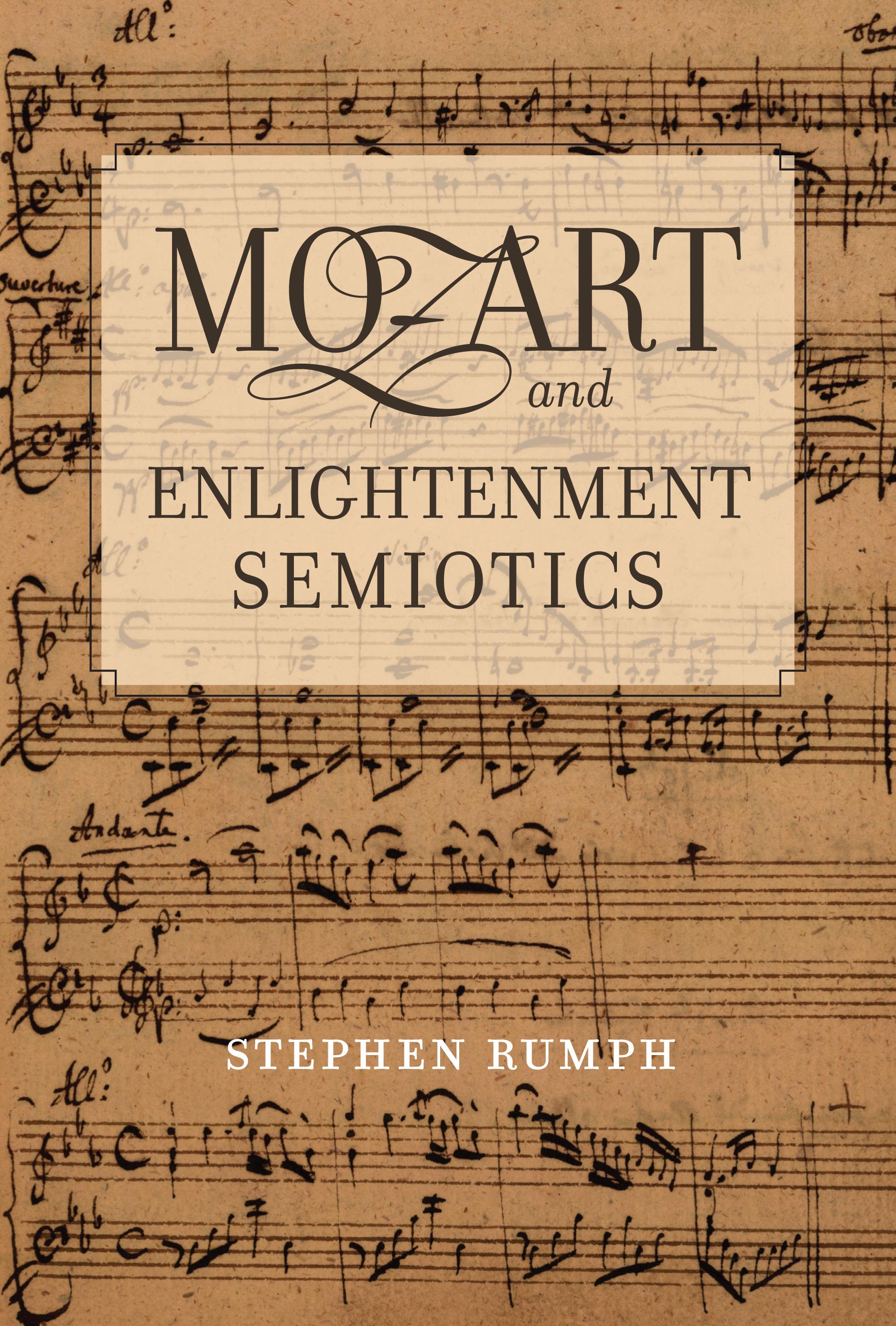
In this groundbreaking, historically-informed semiotic study of late eighteenth-century music, Stephen Rumph focuses on Mozart to explore musical meaning within the context of Enlightenment sign and language theory. Illuminating his discussion with French, British, German, and Italian writings on signs and language, Rumph analyzes movements from Mozart’s symphonies, concertos, operas, and church music. He argues that Mozartian semiosis is best understood within the empiricist tradition of Condillac, Vico, Herder, or Adam Smith, which emphasized the constitutive role of signs within human cognition. Recognizing that the rationalist model of neoclassical rhetoric has guided much recent work on Mozart and his contemporaries, Rumph demonstrates how the dialogic tension between opposing paradigms enabled the composer to negotiate contradictions within Enlightenment thought.
Betala smidigt med kort, Klarna, Apple Pay eller Google Pay. Är du inte nöjd har du alltid 14 dagars ångerrätt. Läs mer i våra villkor. Har du några frågor, mejla oss på hello@memmo.org.
Memmo gör det enklare att plugga – var du än är i världen. Hos oss samlar du kursböcker och smarta studieverktyg på ett och samma ställe: sammanfattningar, quiz, poddar och flashcards. Och så Ted, din studiekompis som svarar på allt du undrar. Över 50 000 studenter pluggar redan här – byggt för att du ska lära dig snabbare och stressa mindre.
Du kanske också gillar
Köp boken0