
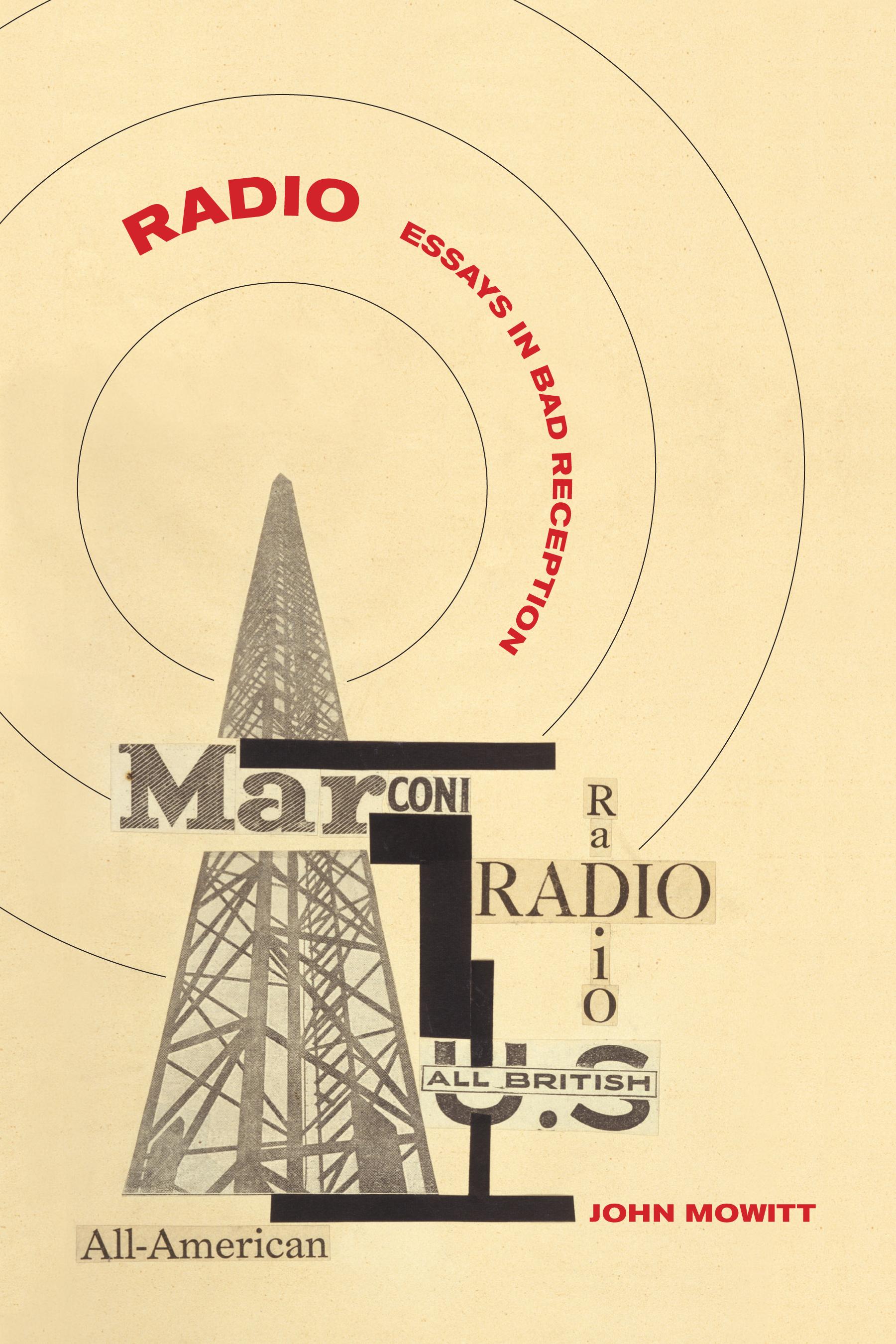
In a wide-ranging, cross-cultural, and transhistorical assessment, John Mowitt examines radio’s central place in the history of twentieth-century critical theory. A communication apparatus that was a founding technology of twentieth-century mass culture, radio drew the attention of theoretical and philosophical writers such as Jean-Paul Sartre, Walter Benjamin, Jacques Lacan, and Frantz Fanon, who used it as a means to disseminate their ideas. For others, such as Martin Heidegger, Theodor Adorno, and Raymond Williams, radio served as an object of urgent reflection. Mowitt considers how the radio came to matter, especially politically, to phenomenology, existentialism, Hegelian Marxism, anticolonialism, psychoanalysis, and cultural studies. The first systematic examination of the relationship between philosophy and radio, this provocative work also offers a fresh perspective on the role this technology plays today.
Betala smidigt med kort, Klarna, Apple Pay eller Google Pay. Är du inte nöjd har du alltid 14 dagars ångerrätt. Läs mer i våra villkor. Har du några frågor, mejla oss på hello@memmo.org.
Memmo gör det enklare att plugga – var du än är i världen. Hos oss samlar du kursböcker och smarta studieverktyg på ett och samma ställe: sammanfattningar, quiz, poddar och flashcards. Och så Ted, din studiekompis som svarar på allt du undrar. Över 50 000 studenter pluggar redan här – byggt för att du ska lära dig snabbare och stressa mindre.
Du kanske också gillar
Köp boken0