
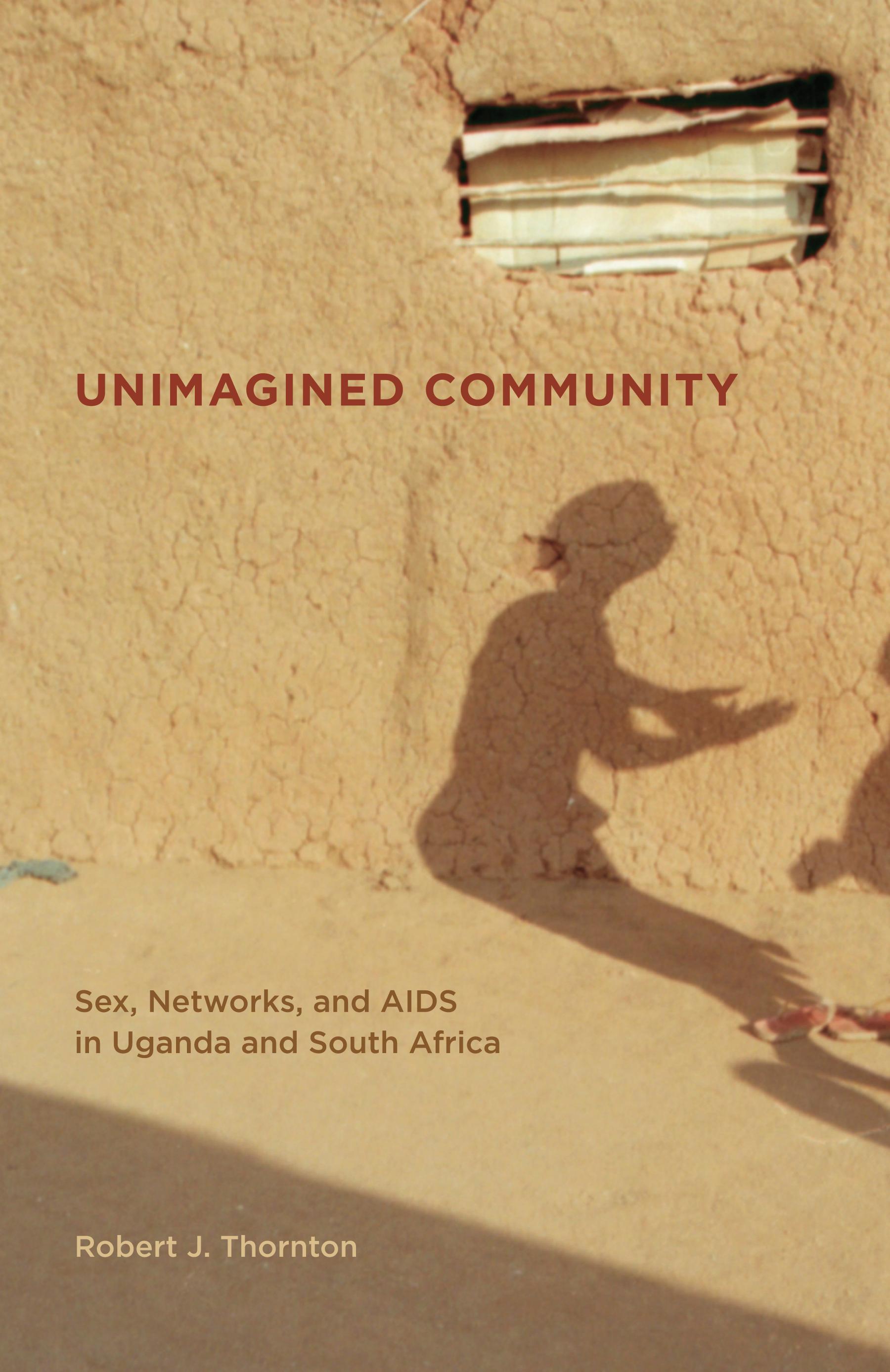
This groundbreaking work, with its unique anthropological approach, sheds new light on a central conundrum surrounding AIDS in Africa. Robert J. Thornton explores why HIV prevalence fell during the 1990s in Uganda despite that country's having one of Africa's highest fertility rates, while during the same period HIV prevalence rose in South Africa, the country with Africa's lowest fertility rate. Thornton finds that culturally and socially determined differences in the structure of sexual networks—rather than changes in individual behavior—were responsible for these radical differences in HIV prevalence. Incorporating such factors as property, mobility, social status, and political authority into our understanding of AIDS transmission, Thornton's analysis also suggests new avenues for fighting the disease worldwide.
Betala smidigt med kort, Klarna, Apple Pay eller Google Pay. Är du inte nöjd har du alltid 14 dagars ångerrätt. Läs mer i våra villkor. Har du några frågor, mejla oss på hello@memmo.org.
Memmo gör det enklare att plugga – var du än är i världen. Hos oss samlar du kursböcker och smarta studieverktyg på ett och samma ställe: sammanfattningar, quiz, poddar och flashcards. Och så Ted, din studiekompis som svarar på allt du undrar. Över 50 000 studenter pluggar redan här – byggt för att du ska lära dig snabbare och stressa mindre.
Du kanske också gillar
Köp boken0