
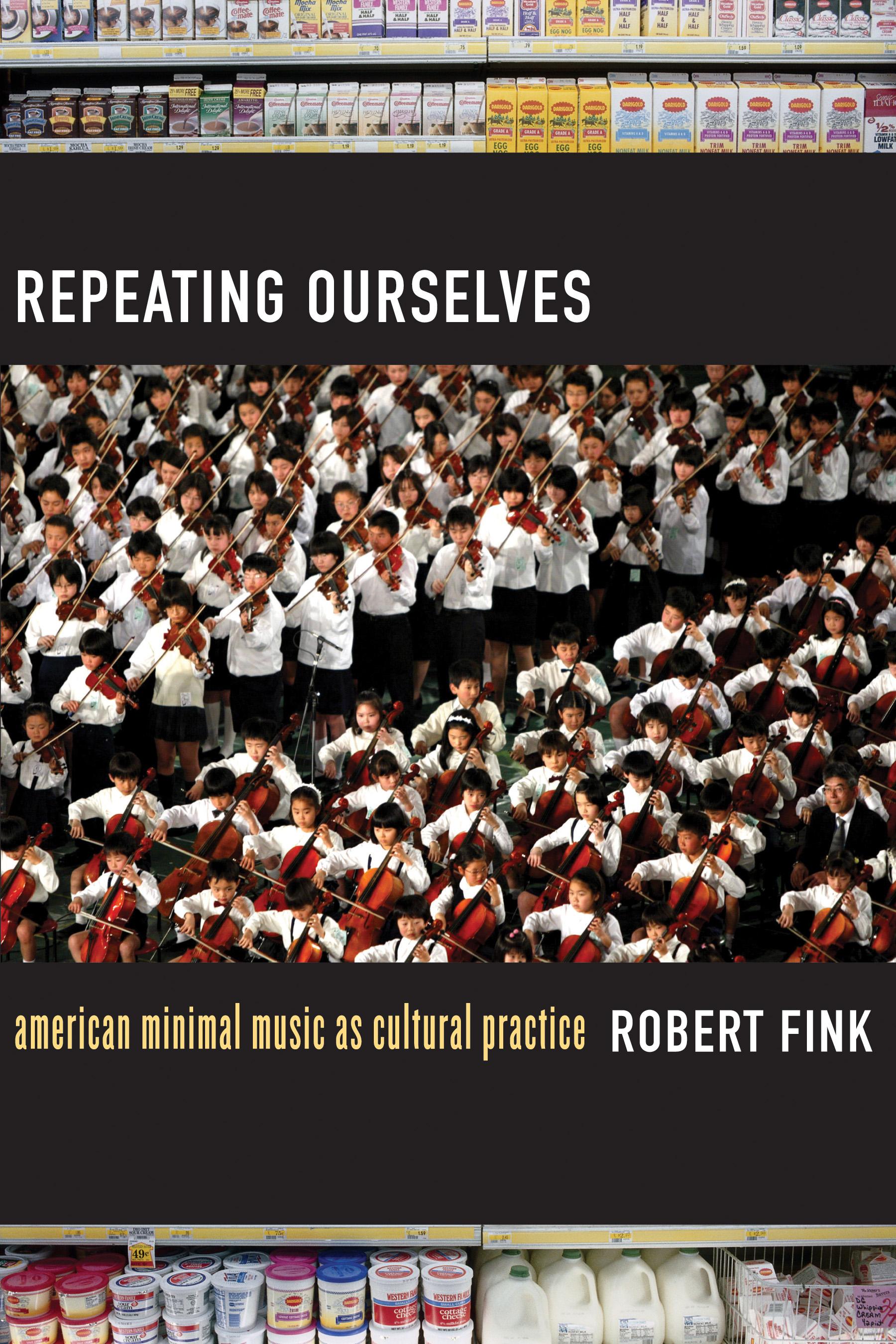
Where did musical minimalism come from—and what does it mean? In this significant revisionist account of minimalist music, Robert Fink connects repetitive music to the postwar evolution of an American mass consumer society. Abandoning the ingrained formalism of minimalist aesthetics, Repeating Ourselves considers the cultural significance of American repetitive music exemplified by composers such as Terry Riley, Steve Reich, and Philip Glass. Fink juxtaposes repetitive minimal music with 1970s disco; assesses it in relation to the selling structure of mass-media advertising campaigns; traces it back to the innovations in hi-fi technology that turned baroque concertos into ambient "easy listening"; and appraises its meditative kinship to the spiritual path of musical mastery offered by Japan's Suzuki Method of Talent Education.
Betala smidigt med kort, Klarna, Apple Pay eller Google Pay. Är du inte nöjd har du alltid 14 dagars ångerrätt. Läs mer i våra villkor. Har du några frågor, mejla oss på hello@memmo.org.
Memmo gör det enklare att plugga – var du än är i världen. Hos oss samlar du kursböcker och smarta studieverktyg på ett och samma ställe: sammanfattningar, quiz, poddar och flashcards. Och så Ted, din studiekompis som svarar på allt du undrar. Över 50 000 studenter pluggar redan här – byggt för att du ska lära dig snabbare och stressa mindre.
Du kanske också gillar
Köp boken0