
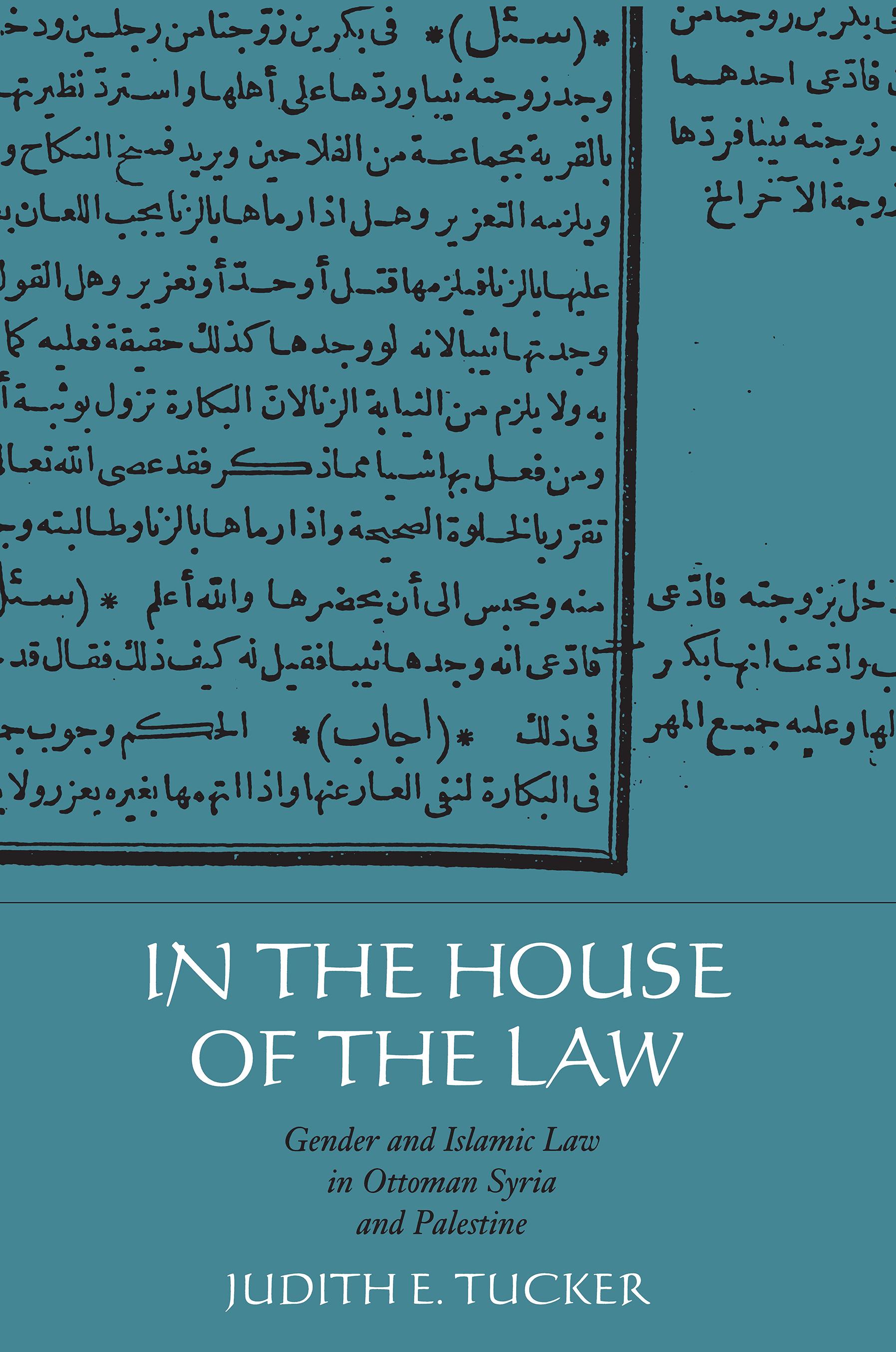
In an rewarding new study, Tucker explores the way in which Islamic legal thinkers understood Islam as it related to women and gender roles. In seventeenth and eighteenth century Syria and Palestine, Muslim legal thinkers gave considerable attention to women's roles in society, and Tucker shows how fatwas, or legal opinions, greatly influenced these roles. She challenges prevailing views on Islam and gender, revealing Islamic law to have been more fluid and flexible than previously thought. Although the legal system had a consistent patriarchal orientation, it was modulated by sensitivities to the practical needs of women, men, and children. In her comprehensive overview of a field long neglected by scholars, Tucker deepens our understanding of how societies, including our own, construct gender roles.
In an rewarding new study, Tucker explores the way in which Islamic legal thinkers understood Islam as it related to women and gender roles. In seventeenth and eighteenth century Syria and Palestine, Muslim legal thinkers gave considerable attention to wo
In an rewarding new study, Tucker explores the way in which Islamic legal thinkers understood Islam as it related to women and gender roles. In seventeenth and eighteenth century Syria and Palestine, Muslim legal thinkers gave considerable attention to wo
Betala smidigt med kort, Klarna, Apple Pay eller Google Pay. Är du inte nöjd har du alltid 14 dagars ångerrätt. Läs mer i våra villkor. Har du några frågor, mejla oss på hello@memmo.org.
Memmo gör det enklare att plugga – var du än är i världen. Hos oss samlar du kursböcker och smarta studieverktyg på ett och samma ställe: sammanfattningar, quiz, poddar och flashcards. Och så Ted, din studiekompis som svarar på allt du undrar. Över 50 000 studenter pluggar redan här – byggt för att du ska lära dig snabbare och stressa mindre.
Du kanske också gillar
Köp boken0