
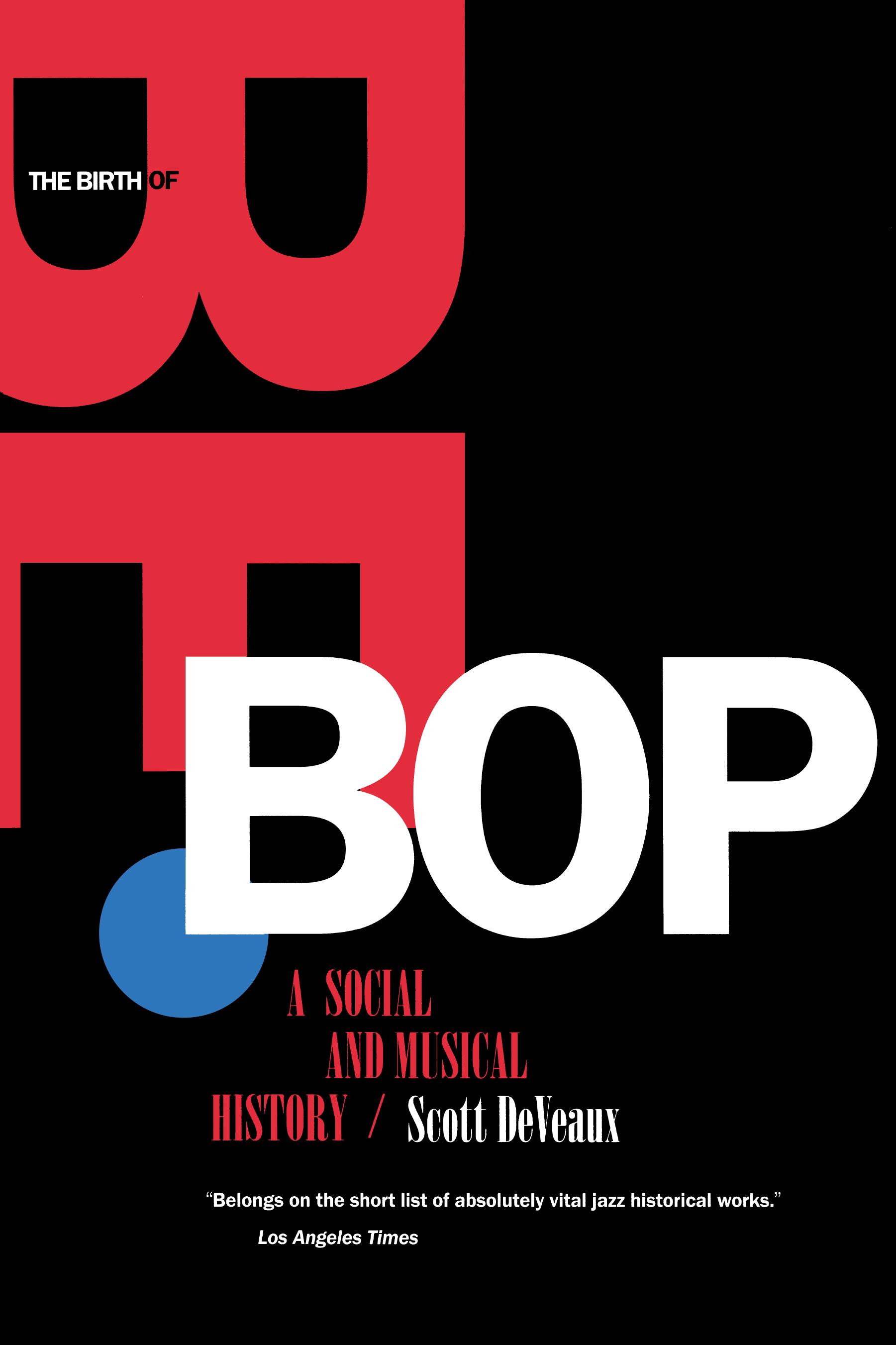
The richest place in America's musical landscape is that fertile ground occupied by jazz. Scott DeVeaux takes a central chapter in the history of jazz—the birth of bebop—and shows how our contemporary ideas of this uniquely American art form flow from that pivotal moment. At the same time, he provides an extraordinary view of the United States in the decades just prior to the civil rights movement.
DeVeaux begins with an examination of the Swing Era, focusing particularly on the position of African American musicians. He highlights the role played by tenor saxophonist Coleman Hawkins, a "progressive" committed to a vision in which black jazz musicians would find a place in the world commensurate with their skills. He then looks at the young musicians of the early 1940s, including Charlie Parker, Dizzy Gillespie, and Thelonious Monk, and links issues within the jazz world to other developments on the American scene, including the turmoil during World War II and the pervasive racism of the period.
Throughout, DeVeaux places musicians within the context of their professional world, paying close attention to the challenges of making a living as well as of making good music. He shows that bebop was simultaneously an artistic movement, an ideological statement, and a commercial phenomenon.
In drawing from the rich oral histories that a living tradition provides, DeVeaux's book resonates with the narratives of individual lives. While The Birth of Bebop is a study in American cultural history and a critical musical inquiry, it is also a fitting homage to bebop and to those who made it possible.
The richest place in America's musical landscape is that fertile ground occupied by jazz. Scott DeVeaux takes a central chapter in the history of jazz—the birth of bebop—and shows how our contemporary ideas of this uniquely American art form flow from tha
DeVeaux begins with an examination of the Swing Era, focusing particularly on the position of African American musicians. He highlights the role played by tenor saxophonist Coleman Hawkins, a "progressive" committed to a vision in which black jazz musicians would find a place in the world commensurate with their skills. He then looks at the young musicians of the early 1940s, including Charlie Parker, Dizzy Gillespie, and Thelonious Monk, and links issues within the jazz world to other developments on the American scene, including the turmoil during World War II and the pervasive racism of the period.
Throughout, DeVeaux places musicians within the context of their professional world, paying close attention to the challenges of making a living as well as of making good music. He shows that bebop was simultaneously an artistic movement, an ideological statement, and a commercial phenomenon.
In drawing from the rich oral histories that a living tradition provides, DeVeaux's book resonates with the narratives of individual lives. While The Birth of Bebop is a study in American cultural history and a critical musical inquiry, it is also a fitting homage to bebop and to those who made it possible.
The richest place in America's musical landscape is that fertile ground occupied by jazz. Scott DeVeaux takes a central chapter in the history of jazz—the birth of bebop—and shows how our contemporary ideas of this uniquely American art form flow from tha
Betala smidigt med kort, Klarna, Apple Pay eller Google Pay. Är du inte nöjd har du alltid 14 dagars ångerrätt. Läs mer i våra villkor. Har du några frågor, mejla oss på hello@memmo.org.
Memmo gör det enklare att plugga – var du än är i världen. Hos oss samlar du kursböcker och smarta studieverktyg på ett och samma ställe: sammanfattningar, quiz, poddar och flashcards. Och så Ted, din studiekompis som svarar på allt du undrar. Över 50 000 studenter pluggar redan här – byggt för att du ska lära dig snabbare och stressa mindre.
Du kanske också gillar
Köp boken0