
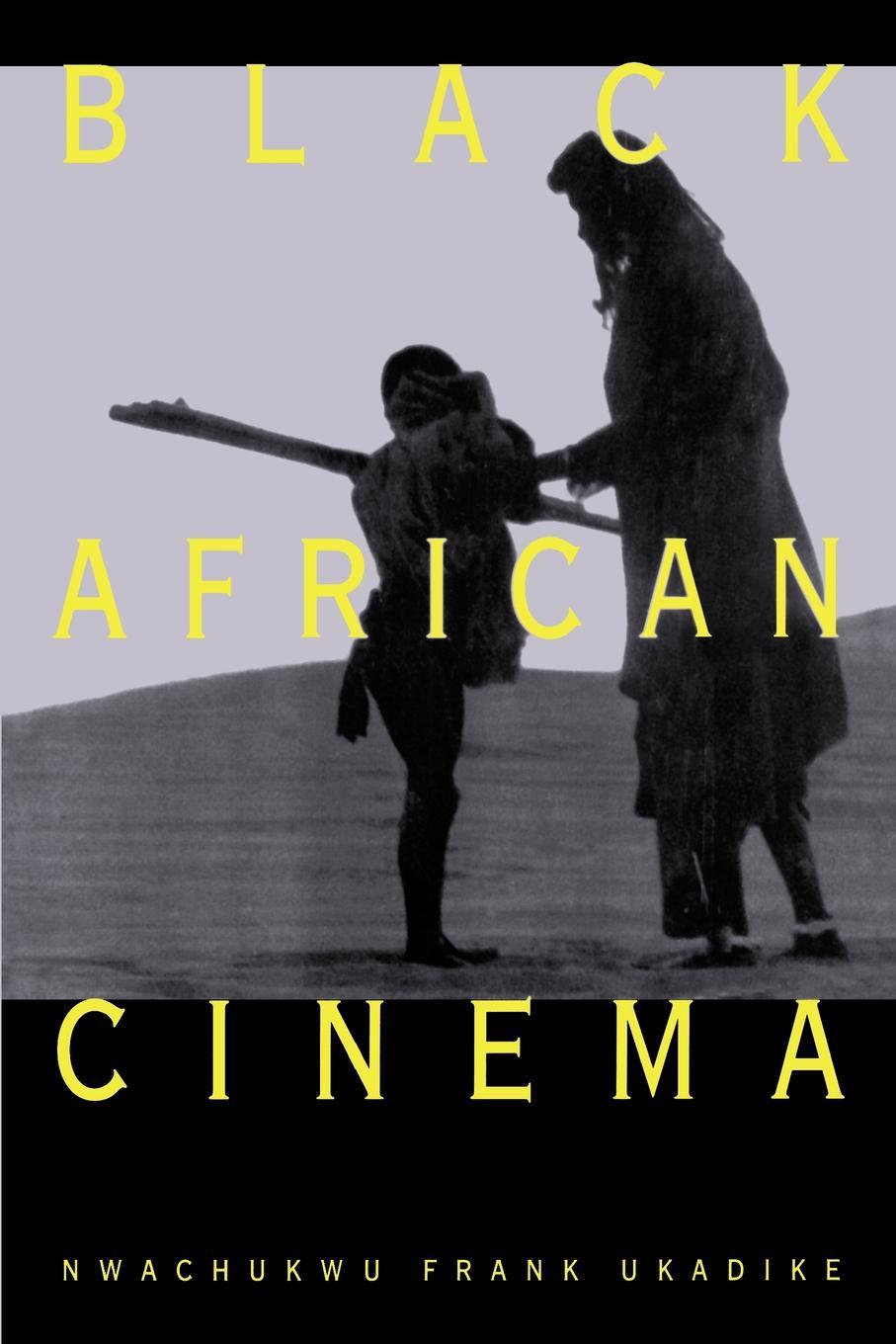
From the proselytizing lantern slides of early Christian missionaries to contemporary films that look at Africa through an African lens, N. Frank Ukadike explores the development of black African cinema. He examines the impact of culture and history, and of technology and co-production, on filmmaking throughout Africa.
Every aspect of African contact with and contribution to cinematic practices receives attention: British colonial cinema; the thematic and stylistic diversity of the pioneering "francophone" films; the effects of television on the motion picture industry; and patterns of television documentary filmmaking in "anglophone" regions. Ukadike gives special attention to the growth of independent production in Ghana and Nigeria, the unique Yoruba theater-film tradition, and the militant liberationist tendencies of "lusophone" filmmakers. He offers a lucid discussion of oral tradition as a creative matrix and the relationship between cinema and other forms of popular culture. And, by contrasting "new" African films with those based on the traditional paradigm, he explores the trends emerging from the eighties and nineties.
Clearly written and accessible to specialist and general reader alike, Black African Cinema's analysis of key films and issues—the most comprehensive in English—is unique. The book's pan-Africanist vision heralds important new strategies for appraising a cinema that increasingly attracts the attention of film students and Africanists.
From the proselytizing lantern slides of early Christian missionaries to contemporary films that look at Africa through an African lens, N. Frank Ukadike explores the development of black African cinema. He examines the impact of culture and history, and
Every aspect of African contact with and contribution to cinematic practices receives attention: British colonial cinema; the thematic and stylistic diversity of the pioneering "francophone" films; the effects of television on the motion picture industry; and patterns of television documentary filmmaking in "anglophone" regions. Ukadike gives special attention to the growth of independent production in Ghana and Nigeria, the unique Yoruba theater-film tradition, and the militant liberationist tendencies of "lusophone" filmmakers. He offers a lucid discussion of oral tradition as a creative matrix and the relationship between cinema and other forms of popular culture. And, by contrasting "new" African films with those based on the traditional paradigm, he explores the trends emerging from the eighties and nineties.
Clearly written and accessible to specialist and general reader alike, Black African Cinema's analysis of key films and issues—the most comprehensive in English—is unique. The book's pan-Africanist vision heralds important new strategies for appraising a cinema that increasingly attracts the attention of film students and Africanists.
From the proselytizing lantern slides of early Christian missionaries to contemporary films that look at Africa through an African lens, N. Frank Ukadike explores the development of black African cinema. He examines the impact of culture and history, and
Betala smidigt med kort, Klarna, Apple Pay eller Google Pay. Är du inte nöjd har du alltid 14 dagars ångerrätt. Läs mer i våra villkor. Har du några frågor, mejla oss på hello@memmo.org.
Memmo gör det enklare att plugga – var du än är i världen. Hos oss samlar du kursböcker och smarta studieverktyg på ett och samma ställe: sammanfattningar, quiz, poddar och flashcards. Och så Ted, din studiekompis som svarar på allt du undrar. Över 50 000 studenter pluggar redan här – byggt för att du ska lära dig snabbare och stressa mindre.
Du kanske också gillar
Köp boken0