
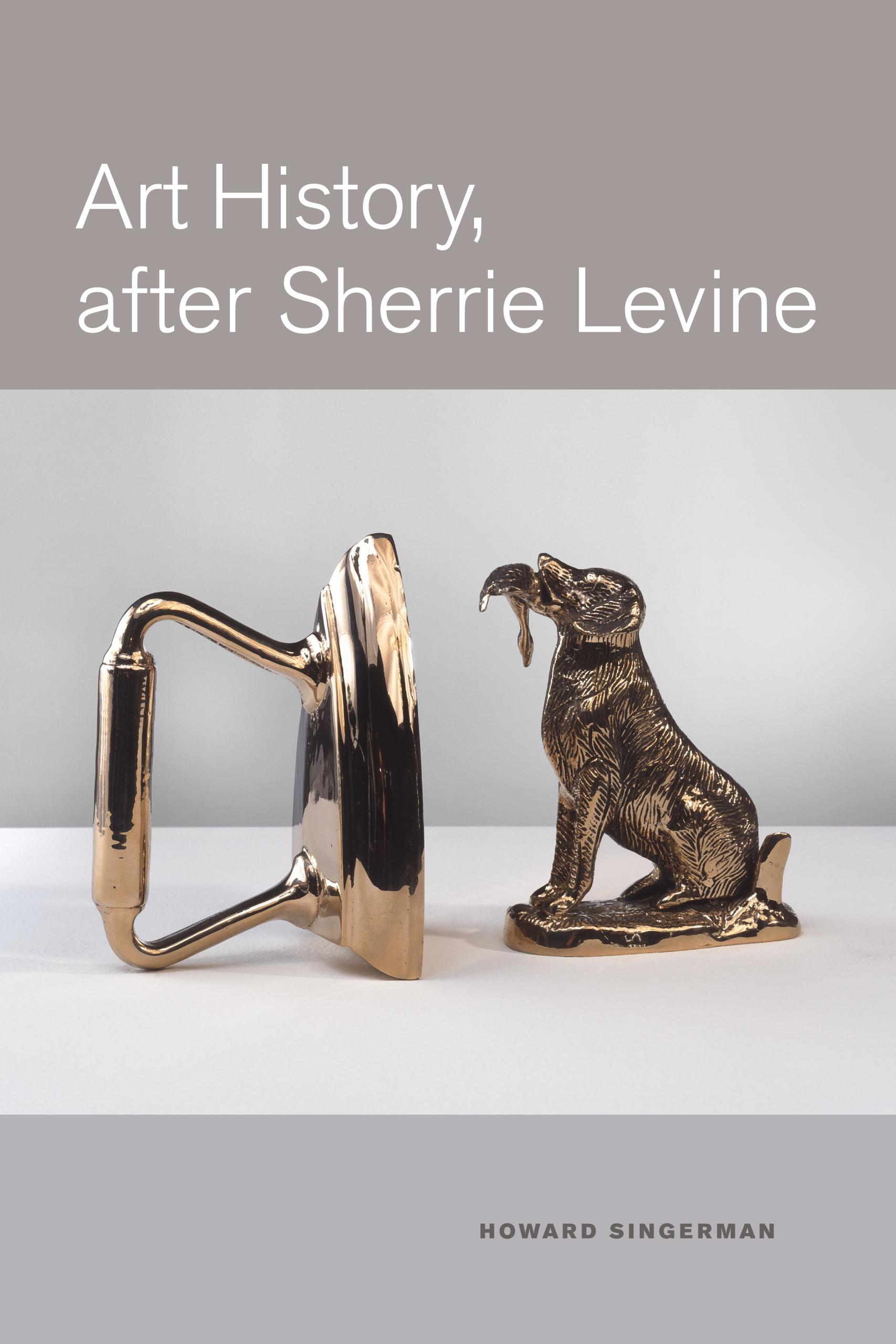
This book examines the career of New York-based artist Sherrie Levine, whose 1981 series of photographs "after Walker Evans"—taken not from life but from Evans’s famous depression-era documents of rural Alabama—became central examples in theorizing postmodernism in the visual arts in the 1980s. For the first in-depth examination of Levine, Howard Singerman surveys a wide variety of sources, both historical and theoretical, to assess an artist whose work was understood from the outset to challenge both the label "artist" and the idea of oeuvre—and who has over the past three decades crafted a significant oeuvre of her own. Singerman addresses Levine’s work after Evans, Brancusi, Malevich, and others as an experimental art historical practice—material reenactments of the way the work of art history is always doubled in and structured by language, and of the ways the art itself resists.
Betala smidigt med kort, Klarna, Apple Pay eller Google Pay. Är du inte nöjd har du alltid 14 dagars ångerrätt. Läs mer i våra villkor. Har du några frågor, mejla oss på hello@memmo.org.
Memmo gör det enklare att plugga – var du än är i världen. Hos oss samlar du kursböcker och smarta studieverktyg på ett och samma ställe: sammanfattningar, quiz, poddar och flashcards. Och så Ted, din studiekompis som svarar på allt du undrar. Över 75 000 studenter pluggar redan här – byggt för att du ska lära dig snabbare och stressa mindre.
Du kanske också gillar
Köp boken0