
A free book version of this title is available through Luminos, University of California Press's Open Access publishing program. Visit www.luminosoa.org to learn more.
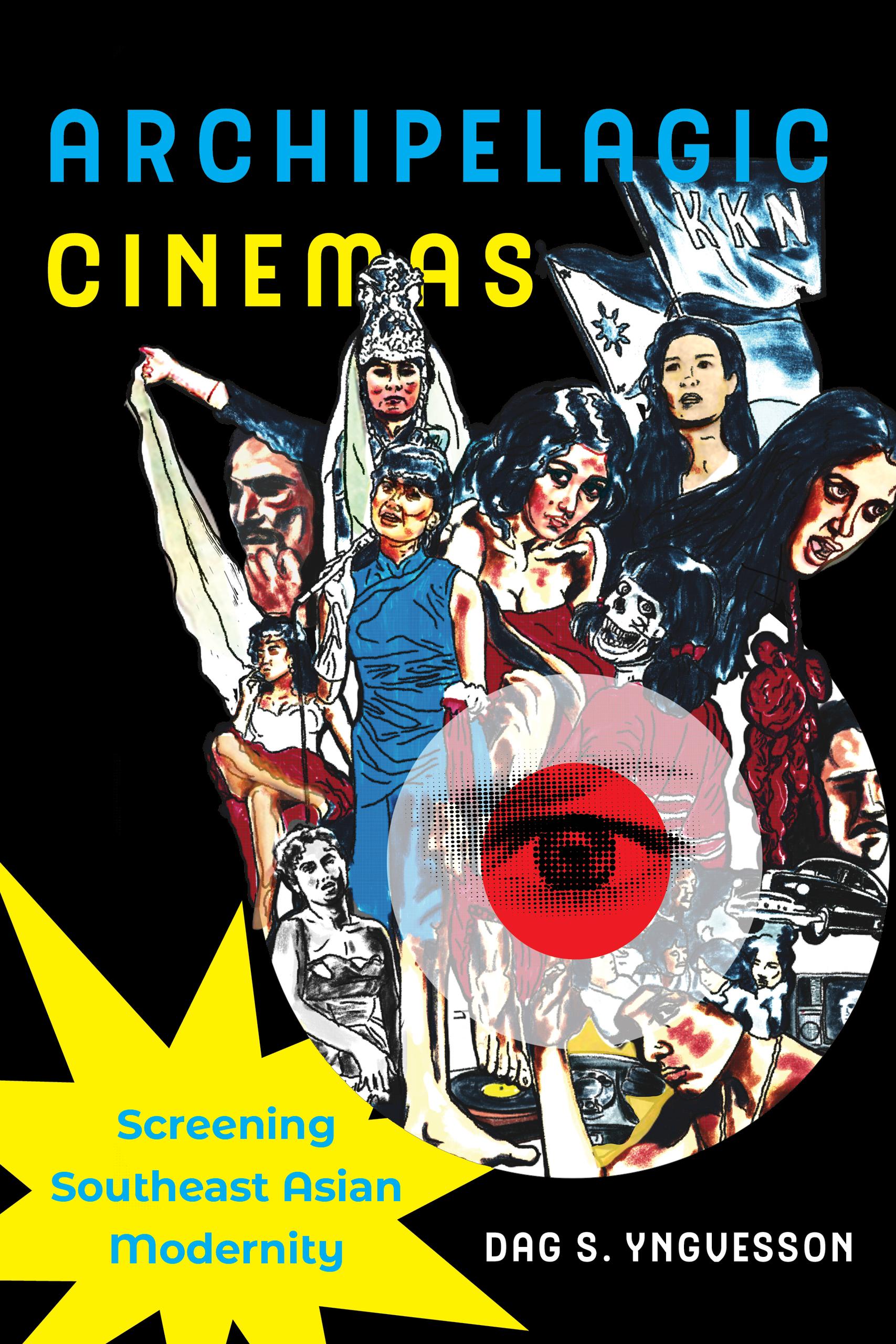
Archipelagic Cinemas compares trajectories of cinematic and political development across Southeast Asia from the mid-twentieth century to the present, taking the Indonesian island of Java as a key point of departure. Its "archipelagic" approach reflects a region of tanah air (land-water) where strategies of communication are shaped by the inevitability of difference and constant change. Archipelagic Cinemas foregrounds the outgrowth of local motion pictures from established regional modes of expression, such as touring vernacular theaters, known for their improvised assemblies of narratives and aesthetics from diverse places and times. Similarly, Southeast Asian movies have distinguished themselves by rejecting the imposition of a single, sovereign, or necessarily masculine point of reference. Filmmakers respond to political and social shifts with populist shows of unruliness, mockery, and often horror while challenging binary interpretations of good and evil, self and other, and on- and off-screen space. A common cinematic "matrifocal gaze" takes the blurring of women's and men's roles in the region as a tool of engagement with nationalist contests over gender and power. Together, regional cinemas set the stage for a multifarious modern visuality rooted in the unique, intertwined histories of Southeast Asian nations.
Archipelagic Cinemas compares trajectories of cinematic and political development across Southeast Asia from the mid-twentieth century to the present, taking the Indonesian island of Java as a key point of departure. Its "archipelagic" approach reflects a region of tanah air (land-water) where strategies of communication are shaped by the inevitability of difference and constant change. Archipelagic Cinemas foregrounds the outgrowth of local motion pictures from established regional modes of expression, such as touring vernacular theaters, known for their improvised assemblies of narratives and aesthetics from diverse places and times. Similarly, Southeast Asian movies have distinguished themselves by rejecting the imposition of a single, sovereign, or necessarily masculine point of reference. Filmmakers respond to political and social shifts with populist shows of unruliness, mockery, and often horror while challenging binary interpretations of good and evil, self and other, and on- and off-screen space. A common cinematic "matrifocal gaze" takes the blurring of women's and men's roles in the region as a tool of engagement with nationalist contests over gender and power. Together, regional cinemas set the stage for a multifarious modern visuality rooted in the unique, intertwined histories of Southeast Asian nations.
Betala smidigt med kort, Klarna, Apple Pay eller Google Pay. Är du inte nöjd har du alltid 14 dagars ångerrätt. Läs mer i våra villkor. Har du några frågor, mejla oss på hello@memmo.org.
Memmo gör det enklare att plugga – var du än är i världen. Hos oss samlar du kursböcker och smarta studieverktyg på ett och samma ställe: sammanfattningar, quiz, poddar och flashcards. Och så Ted, din studiekompis som svarar på allt du undrar. Över 50 000 studenter pluggar redan här – byggt för att du ska lära dig snabbare och stressa mindre.
Du kanske också gillar
Köp boken0