
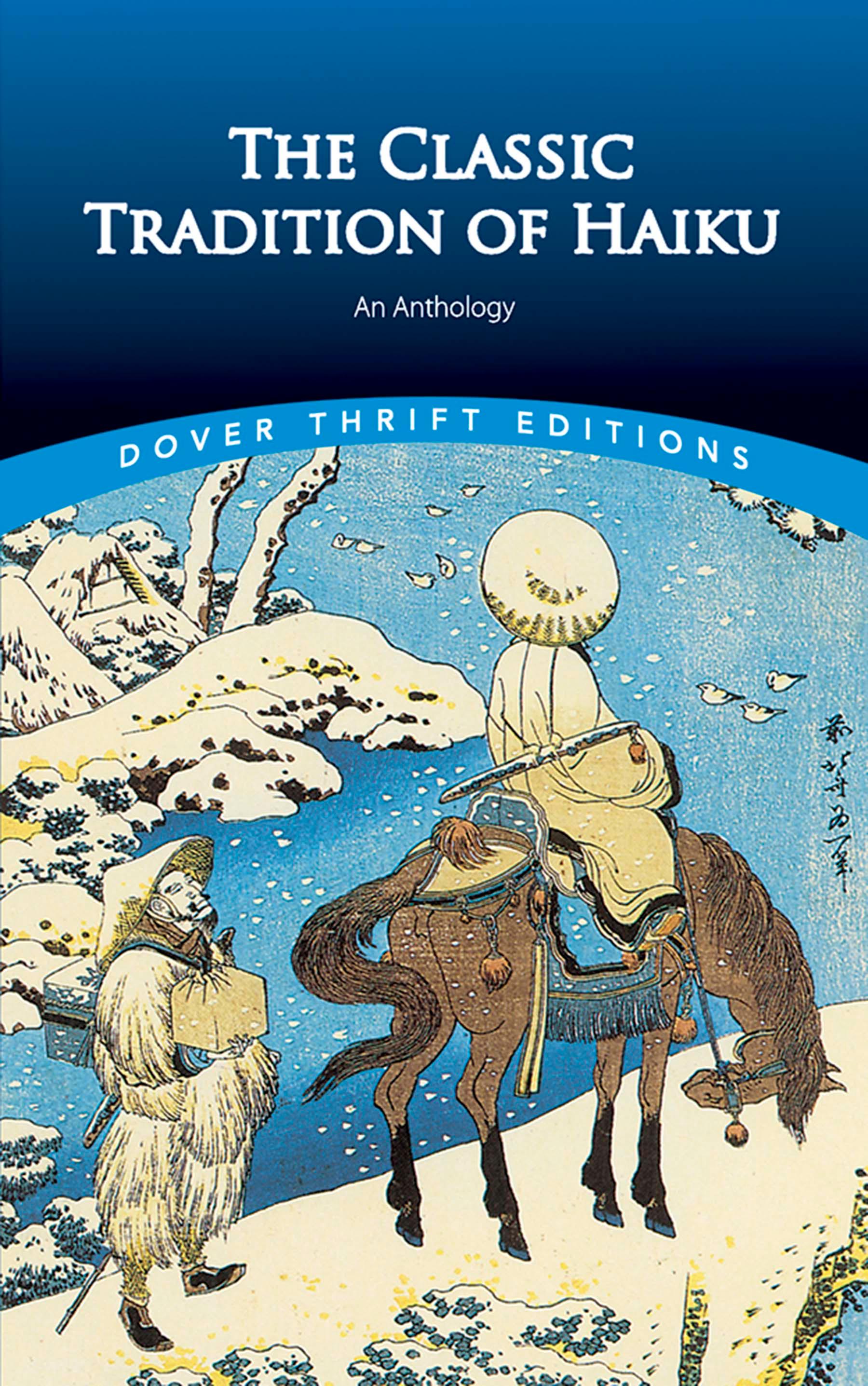
A highly distilled form of Japanese poetry, haiku consists of seventeen syllables, usually divided among three lines. Though brief, they tell a story or paint a vivid picture, leaving it to the reader to draw out the meanings and complete them in the mind's eye. Haiku often contains a hidden dualism (near and far, then and now, etc.) and has a seasonal tie-in, as well as specific word-images that reveal deeper layers in each poem.
This unique collection spans over 400 years (1488–1902) of haiku history by the greatest masters: Bashō, Issa, Shiki, and many more, in translations by top-flight scholars in the field. Haiku commands enormous respect in Japan. Now readers of poetry in the West can savor these expressive masterpieces in this treasury compiled by noted writer Faubion Bowers, who provides a Foreword and many informative notes to the poems.
Betala smidigt med kort, Klarna, Apple Pay eller Google Pay. Är du inte nöjd har du alltid 14 dagars ångerrätt. Läs mer i våra villkor. Har du några frågor, mejla oss på hello@memmo.org.
Memmo gör det enklare att plugga – var du än är i världen. Hos oss samlar du kursböcker och smarta studieverktyg på ett och samma ställe: sammanfattningar, quiz, poddar och flashcards. Och så Ted, din studiekompis som svarar på allt du undrar. Över 75 000 studenter pluggar redan här – byggt för att du ska lära dig snabbare och stressa mindre.