
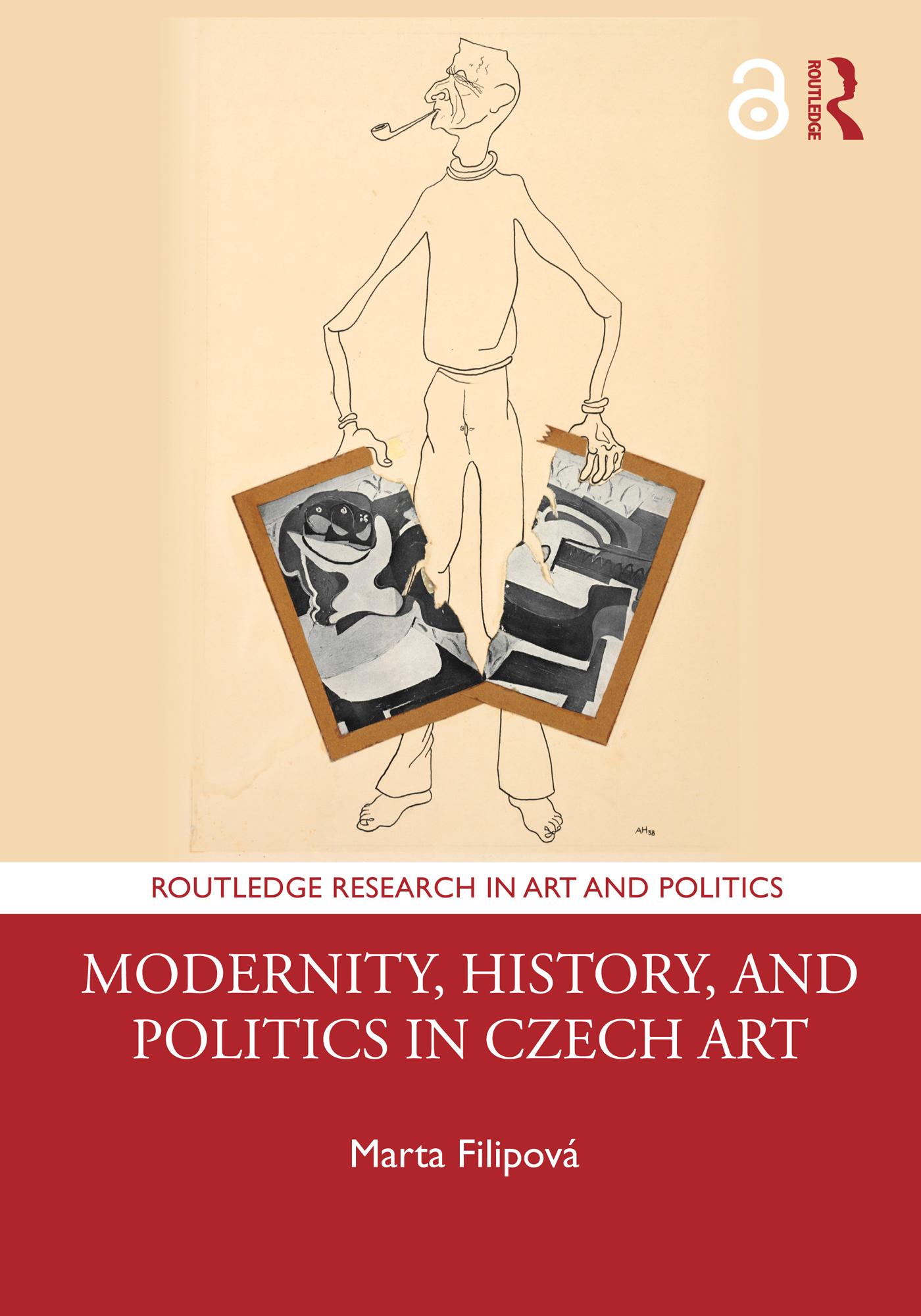
This book traces the influence of the changing political environment on Czech art, criticism, history, and theory between 1895 and 1939, looking beyond the avant-garde to the peripheries of modern art. The period is marked by radical political changes, the formation of national and regional identities, and the rise of modernism in Central Europe – specifically, the collapse of Austria-Hungary and the creation of the new democratic state of Czechoslovakia. Marta Filipová studies the way in which narratives of modern art were formed in a constant negotiation and dialogue between an effort to be international and a desire to remain authentically local.
The Open Access version of this book, available at http://www.taylorfrancis.com, has been made available under a Creative Commons Attribution-Non Commercial-No Derivatives 4.0 license.
Betala smidigt med kort, Klarna, Apple Pay eller Google Pay. Är du inte nöjd har du alltid 14 dagars ångerrätt. Läs mer i våra villkor. Har du några frågor, mejla oss på hello@memmo.org.
Memmo gör det enklare att plugga – var du än är i världen. Hos oss samlar du kursböcker och smarta studieverktyg på ett och samma ställe: sammanfattningar, quiz, poddar och flashcards. Och så Ted, din studiekompis som svarar på allt du undrar. Över 50 000 studenter pluggar redan här – byggt för att du ska lära dig snabbare och stressa mindre.