
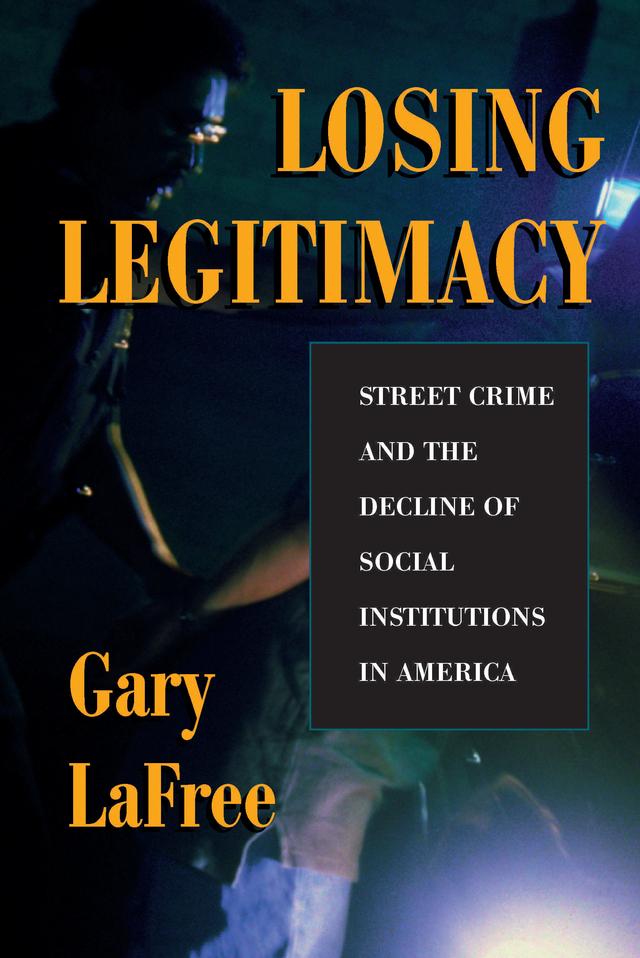
In the past fifty years, street crime rates in America have increased eightfold. These increases were historically patterned, were often very rapid, and had a disproportionate impact on African Americans. Much of the crime explosion took place in a space of just ten years beginning in the early 1960s. Common explanations based on biological impulses, psychological drives, or slow-moving social indicators cannot explain the speed or timing of these changes or their disproportionate impact on racial minorities. Using unique data that span half a century, Gary LaFree argues that social institutions are the key to understanding the U.S. crime wave. Crime increased along with growing political distrust, economic stress, and family disintegration. These changes were especially pronounced for racial minorities. American society responded by investing more in criminal justice, education, and welfare institutions. Stabilization of traditional social institutions and the effects of new institutional spending account for the modest crime declines of the 1990s.
Betala smidigt med kort, Klarna, Apple Pay eller Google Pay. Är du inte nöjd har du alltid 14 dagars ångerrätt. Läs mer i våra villkor. Har du några frågor, mejla oss på hello@memmo.org.
Memmo gör det enklare att plugga – var du än är i världen. Hos oss samlar du kursböcker och smarta studieverktyg på ett och samma ställe: sammanfattningar, quiz, poddar och flashcards. Och så Ted, din studiekompis som svarar på allt du undrar. Över 50 000 studenter pluggar redan här – byggt för att du ska lära dig snabbare och stressa mindre.
Du kanske också gillar
Köp boken0