
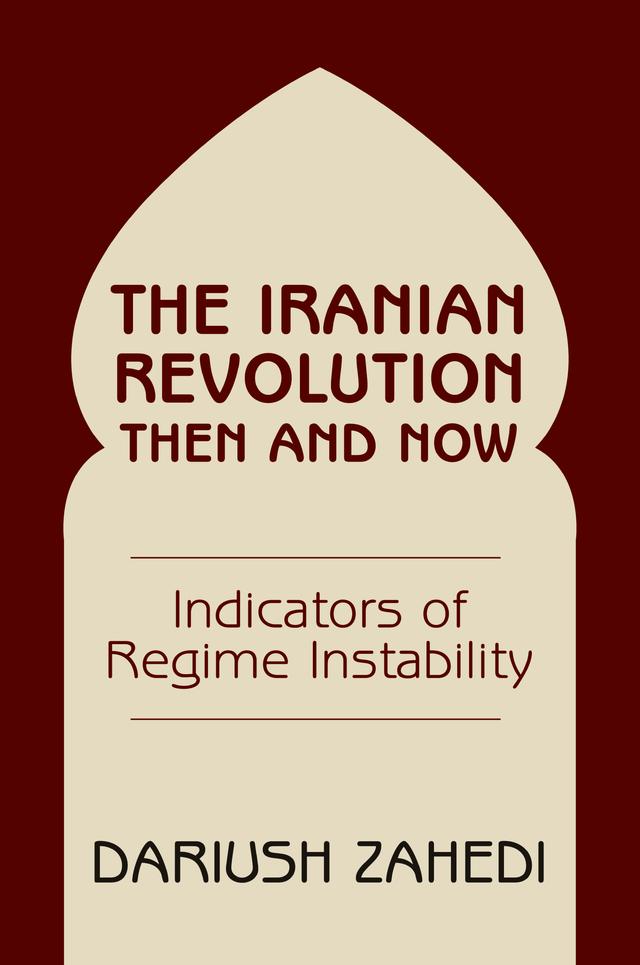
In The Iranian Revolution Then and Now , Dariush Zahedi assesses the Islamic Republic's potential for revolution through an in-depth, theoretically informed, comparative analysis of the present with 1979 pre-Revolutionary Iran. Zahedi discusses how the potential for a revolutionary coup is based on two things: the inherent defects and vulnerabilities in the regime and the coordinated actions of the social groups and individuals opposed to the regime. He also identifies two ideal-typical forms of revolutionary change. }In The Iranian Revolution Then and Now , Dariush Zahedi assesses the Islamic Republic's potential for revolution through an in-depth, theoretically informed, comparative analysis of the present with 1979 pre-Revolutionary Iran. Zahedi discusses how the potential for a revolutionary coup is based on two things: the inherent defects and vulnerabilities in the regime and the coordinated actions of the social groups and individuals opposed to the regime. He also identifies two ideal-typical forms of revolutionary change (the regime collapses on its own, or, the regime is overthrown). He concludes that the chances for overthrowing the present regime are moderate. }
Betala smidigt med kort, Klarna, Apple Pay eller Google Pay. Är du inte nöjd har du alltid 14 dagars ångerrätt. Läs mer i våra villkor. Har du några frågor, mejla oss på hello@memmo.org.
Memmo gör det enklare att plugga – var du än är i världen. Hos oss samlar du kursböcker och smarta studieverktyg på ett och samma ställe: sammanfattningar, quiz, poddar och flashcards. Och så Ted, din studiekompis som svarar på allt du undrar. Över 50 000 studenter pluggar redan här – byggt för att du ska lära dig snabbare och stressa mindre.