
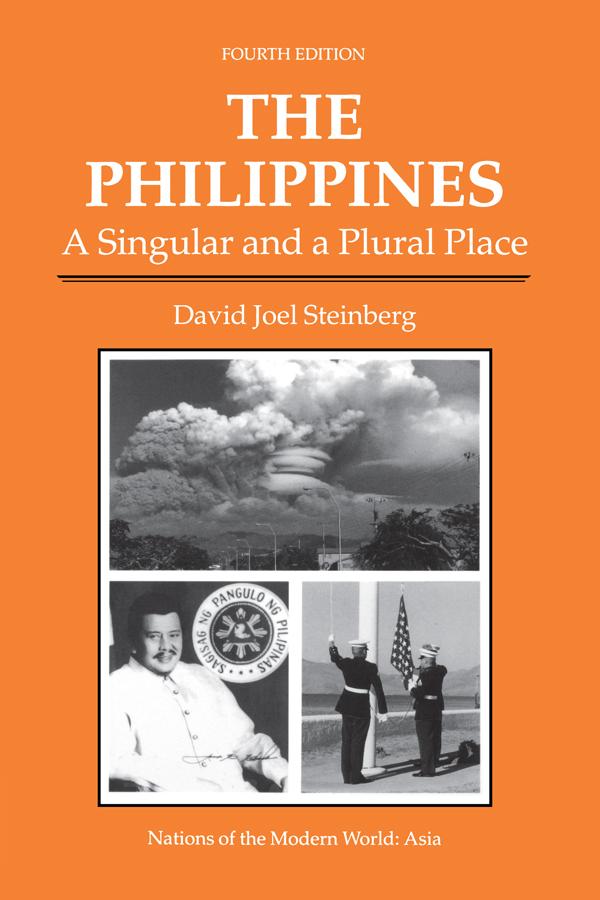
A unified nation with a single people, the Philippines is also a highly fragmented, plural society. Divided between uplander and lowlander, rich and poor, Christian and Muslim, between those of one ethnic, linguistic, and geographic region and those of another, the nation is a complex mosaic formed by conflicting forces of consensus and national identity and of division and instability.It is not possible to comprehend the many changes in the Philippines?such as the rise and fall of Ferdinand Marcos or the revolution that toppled him?without an awareness of the religious, cultural, and economic forces that have shaped the history of these islands. These forces formed the focus of the first edition of The Philippines. Of that 1982 edition, the late Benigno Aquino Jr., noted that ?anyone wanting to understand the Philippines and the Filipinos today must include this book in his '`'must' reading list.?The fourth edition has been updated through the final years of the Ramos presidency, and contains a new section on the impact of President Estrada.
Betala smidigt med kort, Klarna, Apple Pay eller Google Pay. Är du inte nöjd har du alltid 14 dagars ångerrätt. Läs mer i våra villkor. Har du några frågor, mejla oss på hello@memmo.org.
Memmo gör det enklare att plugga – var du än är i världen. Hos oss samlar du kursböcker och smarta studieverktyg på ett och samma ställe: sammanfattningar, quiz, poddar och flashcards. Och så Ted, din studiekompis som svarar på allt du undrar. Över 50 000 studenter pluggar redan här – byggt för att du ska lära dig snabbare och stressa mindre.
Du kanske också gillar
Köp boken0