
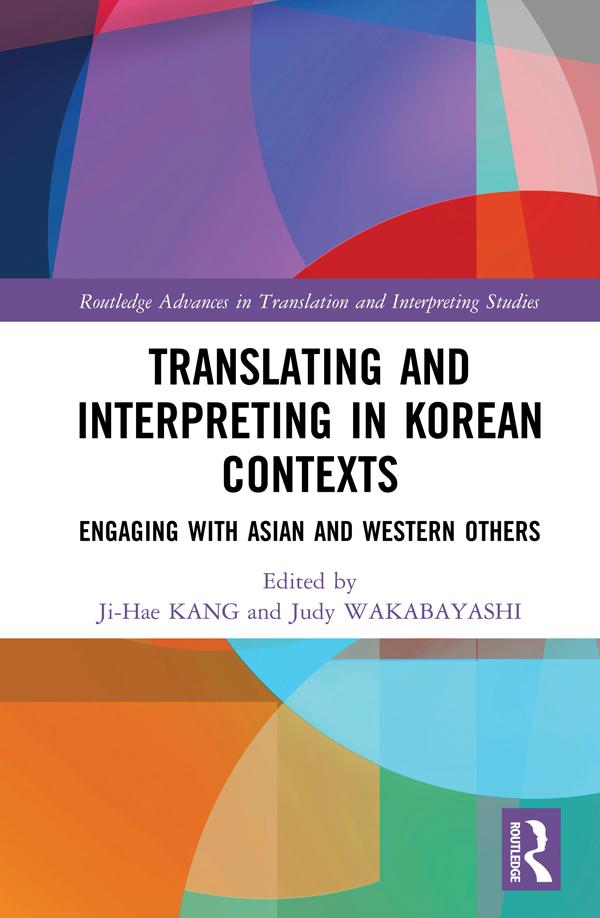
The focus of this volume is on how the people of the Korean Peninsula—historically an important part of the Sinocentric world in East Asia and today a vital economic and strategic site—have negotiated oral and written interactions with their Asian neighbors and Europeans in the past and present through the mediation of translators and interpreters.
These encounters have been shaped by political, social, and cultural factors, including the shared use of the Chinese writing system in East Asia for many centuries, attitudes toward other Asians and Westerners, and perceptions of Korean identity in relation to these Others. After exploring aspects of historical interactions, the volume addresses how the role and practice of translation and interpreting have recently evolved as a result of the development of digital technology, an increase in the number of immigrants, and changes in political and cultural dynamics in the region. It covers a range of historical and contemporary aspects, genres, and venues that extend beyond the common yet restrictive focus on literary translation and includes discussions of translator training and academic studies of translation and interpreting in Korea.
Betala smidigt med kort, Klarna, Apple Pay eller Google Pay. Är du inte nöjd har du alltid 14 dagars ångerrätt. Läs mer i våra villkor. Har du några frågor, mejla oss på hello@memmo.org.
Memmo gör det enklare att plugga – var du än är i världen. Hos oss samlar du kursböcker och smarta studieverktyg på ett och samma ställe: sammanfattningar, quiz, poddar och flashcards. Och så Ted, din studiekompis som svarar på allt du undrar. Över 75 000 studenter pluggar redan här – byggt för att du ska lära dig snabbare och stressa mindre.