
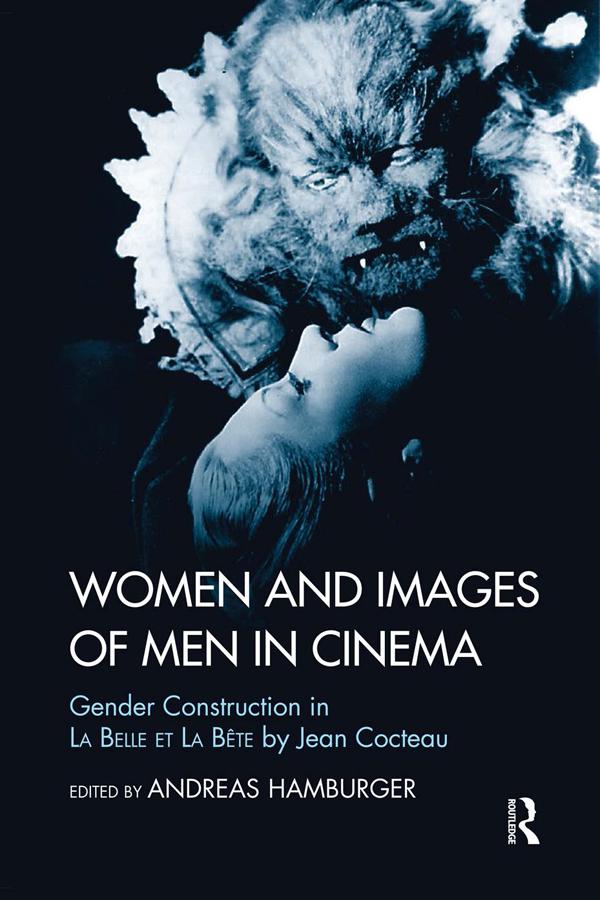
Women and men in cinema are imaginary constructs created by filmmakers and their audiences. The film-psychoanalytic approach reveals how movies subliminally influence unconscious reception. On the other hand, the movie is embedded in a cultural tradition: Jean Cocteau's film La Belle et la Bete (1946) takes up the classic motif of the animal groom from the story of Cupid and Psyche in Apuleius' The Golden Ass (originally a tale about the stunning momentum of genuine female desire), liberates it from its baroque educational moral (a girl's virtue and prudence will help her to overcome her sexual fears), and turns it into a boyhood story: inside the ugly rascal there is a good, but relatively boring prince - at least in comparison to the monsters of film history. In the seventy years since it was made, La Belle et la Bete has inspired numerous interpretations and has been employed by theorists of all genres and interests.
Betala smidigt med kort, Klarna, Apple Pay eller Google Pay. Är du inte nöjd har du alltid 14 dagars ångerrätt. Läs mer i våra villkor. Har du några frågor, mejla oss på hello@memmo.org.
Memmo gör det enklare att plugga – var du än är i världen. Hos oss samlar du kursböcker och smarta studieverktyg på ett och samma ställe: sammanfattningar, quiz, poddar och flashcards. Och så Ted, din studiekompis som svarar på allt du undrar. Över 50 000 studenter pluggar redan här – byggt för att du ska lära dig snabbare och stressa mindre.