
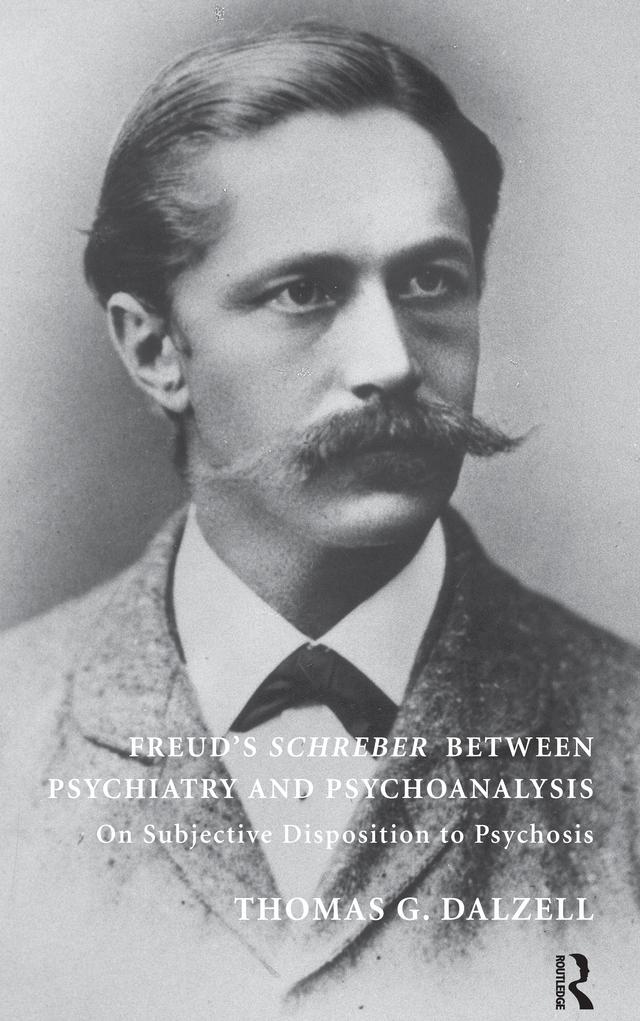
This book investigates what was distinctive about the predisposition to psychosis Freud posited in Daniel Paul Schreber, a presiding judge in Saxony's highest court. It argues that Freud's 1911 Schreber text reversed the order of priority in late nineteenth-century conceptions of the disposing causes of psychosis - the objective-biological and subjective-biographical - to privilege subjective disposition to psychosis, but without returning to the paradigms of early nineteenth-century Romantic psychiatry and without obviating the legitimate claims of biological psychiatry in relation to hereditary disposition. While Schreber is the book's reference point, this is not a general treatment of Schreber, or of Freud's reading of the Schreber case. It focuses rather on what was new in Freud's thinking on the disposition to psychosis, what he learned from his psychiatrist contemporaries and what he did not, and whether or not psychoanalysts have fully received his aetiology.
Betala smidigt med kort, Klarna, Apple Pay eller Google Pay. Är du inte nöjd har du alltid 14 dagars ångerrätt. Läs mer i våra villkor. Har du några frågor, mejla oss på hello@memmo.org.
Memmo gör det enklare att plugga – var du än är i världen. Hos oss samlar du kursböcker och smarta studieverktyg på ett och samma ställe: sammanfattningar, quiz, poddar och flashcards. Och så Ted, din studiekompis som svarar på allt du undrar. Över 50 000 studenter pluggar redan här – byggt för att du ska lära dig snabbare och stressa mindre.
Du kanske också gillar
Köp boken0