
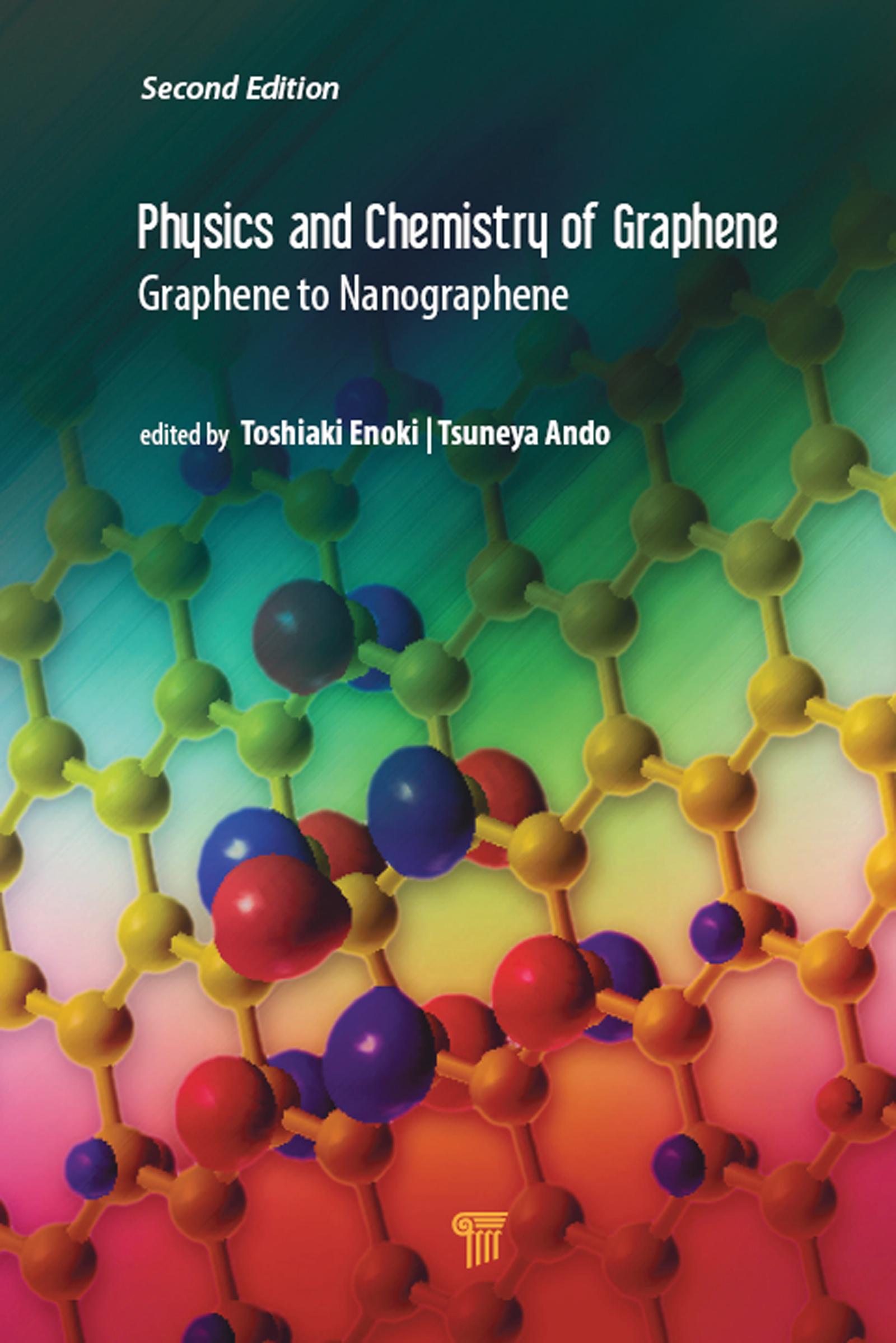
Graphene has been attracting growing attentions in physics, chemistry, and device applications after the discovery of micromechanically cleaved graphene sheet by A. Geim and K. Novoselov, who were awarded the 2010 Nobel Prize in Physics. The electronic structure of graphene, which is described in terms of massless Dirac fermions, brings about unconventional electronic properties, which are not only an important basic issue in condensed matter physics but also a promising target of cutting-edge electronics/spintronics device applications. Meanwhile, from chemistry aspect, graphene is the extreme of condensed polycyclic hydrocarbon molecules extrapolated to infinite size. Here, the concept on aromaticity, which organic chemists utilize, is applicable. Interesting issues appearing between physics and chemistry are pronounced in nanosized graphene (nanographene), as we recognize the importance of the shape of nanographene in understanding its electronic structure. This book comprehensively discusses the fundamental issues related to the electronic, magnetic, and chemical properties of condensed polycyclic hyodrocarbon molecules, nanographene, and graphene.
Betala smidigt med kort, Klarna, Apple Pay eller Google Pay. Är du inte nöjd har du alltid 14 dagars ångerrätt. Läs mer i våra villkor. Har du några frågor, mejla oss på hello@memmo.org.
Memmo gör det enklare att plugga – var du än är i världen. Hos oss samlar du kursböcker och smarta studieverktyg på ett och samma ställe: sammanfattningar, quiz, poddar och flashcards. Och så Ted, din studiekompis som svarar på allt du undrar. Över 50 000 studenter pluggar redan här – byggt för att du ska lära dig snabbare och stressa mindre.